


The Golden Spice and Its Star Compound
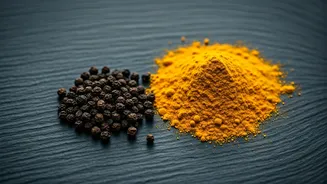
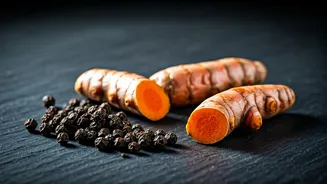
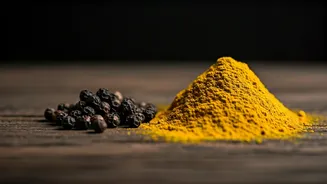
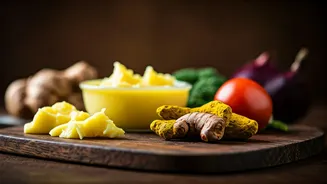
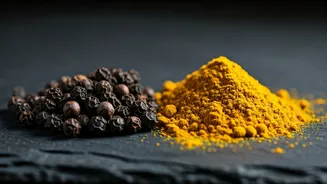
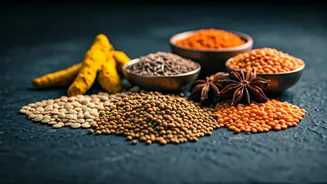
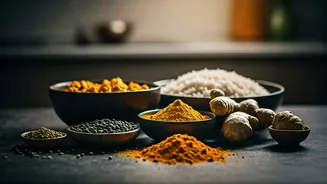
First, let's talk about turmeric. That vibrant, golden-orange powder isn't just for making curry look good. For thousands of years, primarily in South Asian culinary and Ayurvedic traditions, it’s been prized for more than its color. The magic is largely
attributed to a group of compounds called curcuminoids, the most active and famous of which is curcumin. Curcumin is a potent antioxidant and is celebrated for its powerful anti-inflammatory properties. In a world where chronic inflammation is linked to numerous modern health concerns, from joint pain to metabolic issues, compounds that can help manage the body's inflammatory response are a big deal. The issue? On its own, curcumin is more of a shy superstar than a reliable workhorse.
The Bioavailability Problem
Here's the catch with curcumin: it has what scientists call low bioavailability. In simple terms, your body isn't very good at absorbing it. When you consume turmeric by itself, the curcumin passes through your digestive system very quickly. Your liver rapidly metabolizes it and excretes it before your bloodstream can absorb enough to provide significant benefits. It’s like having a key to a treasure chest but being unable to get it into the lock. You could consume heaps of turmeric, and while it would still be delicious, you wouldn't be unlocking the full potential of its star compound. This is where its unassuming partner comes in to completely change the game.
Pepper's Surprising Superpower
Enter black pepper, the most common spice on any American dining table. We think of it as a simple flavor enhancer, but it holds a secret of its own. The sharp, pungent kick of black pepper comes from a compound called piperine. While piperine has its own modest health benefits, including some anti-inflammatory and antioxidant effects, its most important role in this partnership is as a “bioenhancer.” It doesn’t just add flavor; it acts like a tour guide for other compounds, helping them get where they need to go in the body. Specifically, piperine has a profound effect on the way our bodies process curcumin, solving its biggest weakness with remarkable efficiency.
The Science of Synergy
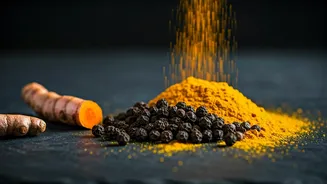
So, how does this work? The piperine in black pepper essentially runs interference. It temporarily inhibits certain enzymes in your liver and gut that are responsible for breaking down and flushing out substances like curcumin. By slowing down this metabolic process, piperine allows curcumin to remain in the body longer, giving it ample time to be absorbed into the bloodstream. Studies have shown this effect is not just minor; it's dramatic. Some research suggests that combining even a small amount of black pepper with turmeric can boost curcumin's bioavailability by up to 2,000%. That’s not a typo. This synergy is what transforms turmeric from a promising ingredient into a wellness powerhouse, turning a sprinkle into a significant dose.
Putting the Duo to Work in Your Kitchen
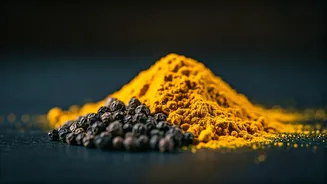
This isn’t some new wellness hack invented in a lab; it’s ancient culinary wisdom. Countless traditional recipes, from Indian curries to Thai soups, have paired these two spices for centuries. The cooks who created these dishes may not have known about bioavailability, but they knew what tasted right and, perhaps, what made them feel good. You don't need to rely on supplements to get the benefits. Simply get into the habit of using them together. Add a pinch of black pepper to your golden milk latte. Sprinkle the pair into soups, stews, and roasted vegetable dishes. Whisk them into salad dressings or add them to scrambled eggs or tofu. Any time you reach for turmeric, make sure its trusty sidekick, black pepper, isn't far behind.