



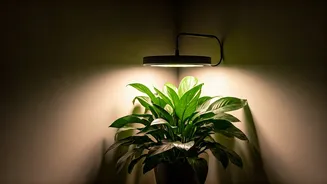


The Definition of Forgiving
The number one source of plant-related stress is the fear of doing something wrong. Did I water it too much? Not enough? Is this spot too sunny? Too dark? Most plants make you pay for your mistakes with yellowing leaves and a swift decline. The spider
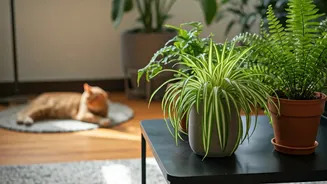
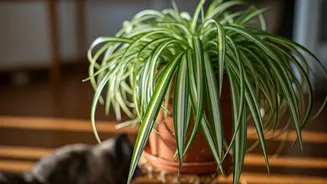
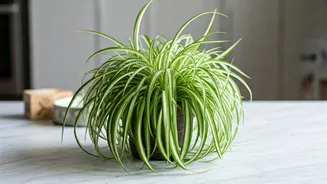
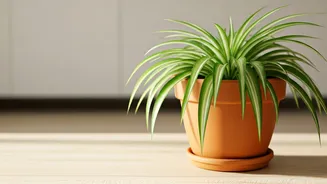
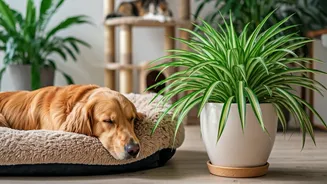
plant, however, operates on a different level of grace. Scientifically known as *Chlorophytum comosum*, its resilience is legendary. Forget to water it for a week? It will likely be fine. Give it a little too much? As long as the pot has drainage, it will forgive you. While it prefers bright, indirect light, it will reliably tolerate lower-light corners of your home where more dramatic plants would wither. This wide margin for error removes the daily anxiety that can accompany plant ownership, making it the perfect companion for busy people, frequent travelers, and beginners alike.
A Clear Communicator
Part of what makes spider plants so low-stress is that they tell you what they need in ways that are easy to understand and even easier to fix. There’s no complex botanical mystery to solve. If its vibrant green stripes start to look a little pale or washed out, it’s likely getting too much direct sun; simply move it to a spot with less intense light. Are the tips of the leaves turning brown? This is a common sign of minerals or fluoride in tap water. You can trim the brown tips off for aesthetic reasons and switch to using filtered or distilled water. It’s not a sign of impending doom, just a gentle suggestion for a change in routine. By providing these simple, non-critical visual cues, the spider plant empowers you to be a successful plant parent without needing a horticulture degree.
The Plant That Gives Back
Beyond its good looks, the spider plant offers a uniquely rewarding experience: it creates its own offspring. Healthy, mature plants produce long, hanging stems called runners, which sprout small white flowers that develop into tiny baby plants, or “spiderettes.” These are essentially free, brand-new plants. The process of propagating them couldn’t be simpler. You can snip off a spiderette that has developed small roots and plant it in its own pot of soil. Alternatively, you can place it in a glass of water until its roots are more established before planting. This process is not only incredibly easy, but it’s deeply satisfying. You get the joy of creating new life and the ability to fill your home with more greenery or share baby plants with friends, all at no extra cost. This generative quality turns plant care from a chore into a fun, rewarding hobby.
Effortless Style and Simple Care
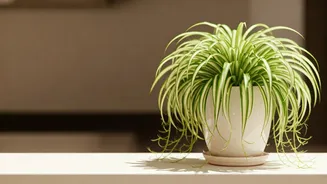
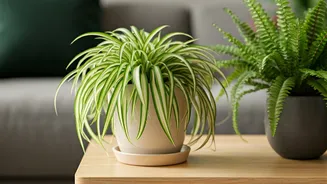
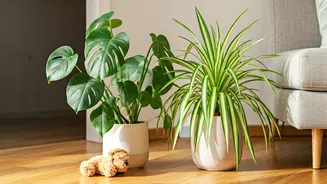
Aesthetically, the spider plant is a classic for a reason. Its arching, variegated leaves create a dynamic, fountain-like shape that works in any style of decor, from minimalist to bohemian. It looks fantastic on a shelf where its leaves can cascade down, in a hanging basket, or as a simple tabletop centerpiece. Its care routine is just as effortless. For best results, use a well-draining potting mix and a pot with drainage holes. Water thoroughly when the top inch or two of soil feels dry, and let the excess water drain away. You can feed it with a standard houseplant fertilizer once or twice a month during the spring and summer growing season, but it’s not demanding. That’s it. There are no complicated misting schedules or humidity requirements. It's a 'set it and forget it' plant that still delivers a high-impact visual.