



Beyond the Food Pyramid
For decades, dietary advice has been delivered in broad strokes. We were told to follow a food pyramid, count calories, or cut out entire food groups like carbs or fats. Personalised nutrition flips that script entirely. Instead of adhering to a generic
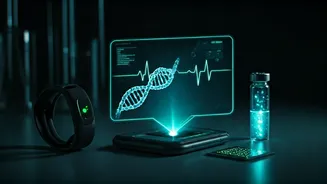
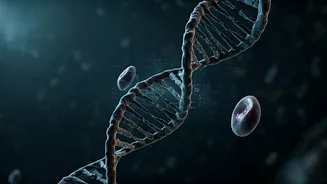
blueprint, this philosophy posits that the optimal diet is unique to each individual. It’s an approach that uses data from your own body—your genetics (nutrigenomics), your blood biomarkers (like cholesterol and vitamin levels), and the composition of your gut microbiome—to create hyper-specific dietary recommendations. The goal isn't just weight loss; it's about optimizing everything from your energy levels and athletic performance to your long-term metabolic health. The question it asks is simple but revolutionary: Why eat for the “average” person when you can eat for yourself?
The Tech-Fueled Revolution
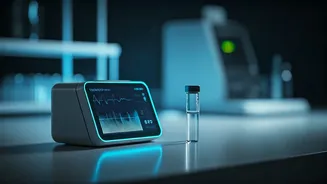
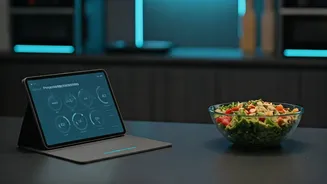
So why is this trend cresting now? The answer lies at the intersection of technology, data, and consumer demand. The same forces that gave us wearable fitness trackers and affordable at-home DNA tests are now powering the personalised nutrition movement. Companies have developed sophisticated, user-friendly kits that allow you to collect stool, blood, or saliva samples from the comfort of your home. These samples are analyzed in a lab, and the resulting data is fed into AI-powered algorithms that can spot patterns a human eye might miss. For instance, an algorithm might learn that your specific genetic makeup means you metabolize caffeine slowly, or that your unique gut bacteria struggle to process certain types of fiber. Combined with data from wearables that track your sleep, activity, and even blood sugar in real time, this creates a comprehensive, dynamic picture of your body's needs.
From Lab to Lunchbox
This isn't just theoretical science; it's a rapidly growing market. Companies like ZOE, which famously uses a combination of gut microbiome analysis and continuous glucose monitoring, provide users with personalized scores for thousands of foods. A food that might cause a blood sugar spike in one person could be perfectly fine for another, and ZOE’s app steers you toward your “good” foods. Similarly, services like InsideTracker analyze blood biomarkers to recommend dietary tweaks and supplements to optimize everything from iron levels to indicators of inflammation. The user experience is designed to be seamless: you get your data, receive clear recommendations via an app, and are given actionable advice, like swapping white rice for quinoa or adding more avocado to your diet to support your specific metabolic profile. It transforms a complex data set into a simple, daily practice.
Promise and Potential Pitfalls
The promise of personalised nutrition is immense: a future where diet-related chronic illnesses are better managed, and people feel more energized and in control of their health. For many early adopters, it has already been a game-changer. However, the field is not without its challenges. The science, particularly around the gut microbiome, is still evolving, and some experts caution that we're at the beginning of understanding these complex systems. Furthermore, these services can be expensive, creating a new tier of wellness accessible only to those who can afford it. Data privacy is another significant concern—handing over your biological information requires a high degree of trust. Finally, there's a risk of promoting orthorexia, an unhealthy obsession with “correct” eating, where the joy of food gets lost in a sea of data points and scores.