
The Opposite of a Catalog
Flip through any home decor catalog or scroll through social media, and you’ll see beautiful, yet often impersonal, spaces. They are clean, cohesive, and completely devoid of a personal history. Designing from memory is the antidote to this aesthetic
anonymity. It’s a philosophy centered on the idea that the most compelling interiors aren’t built from trends, but from the raw material of your own life: your experiences, travels, relationships, and nostalgia. Instead of asking “What’s in style?” this approach asks, “What’s my story?” A room becomes a physical manifestation of a life lived, where a chipped mug on the shelf is more valuable than a designer vase because it carries the weight of a thousand morning coffees with a loved one. This isn't about rejecting style, but about rooting it in something authentic and enduring. It's the ultimate act of personalization, creating a space that could only belong to you.
Excavating Your Personal Archive
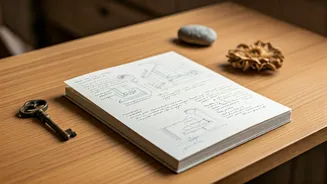
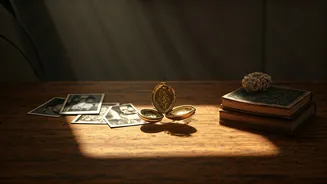
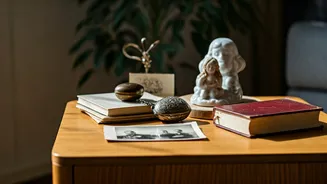
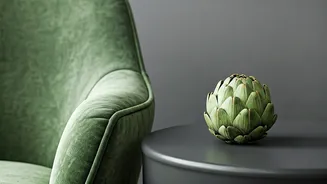
Starting this process doesn't involve a shopping trip; it involves a bit of personal archaeology. Your memory is the archive. Begin by asking yourself questions. What colors remind you of your favorite place in the world—a sun-bleached Greek wall or the deep green of a Pacific Northwest forest? What textures recall comfort, like your grandmother’s velvet armchair or the worn-in linen from a childhood beach house? Think about the objects you’ve held onto over the years. That stack of concert tickets, the smooth stone from a memorable hike, the slightly goofy souvenir from a family road trip. These aren’t clutter; they are artifacts. The goal is to identify the sensory details and emotional touchstones that define your personal history. Create a mental or physical mood board not of things you want to buy, but of feelings you want to evoke. This internal blueprint is far more powerful than any trend report.
The Art of the Meaningful Object
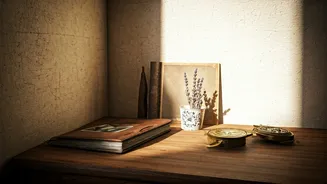
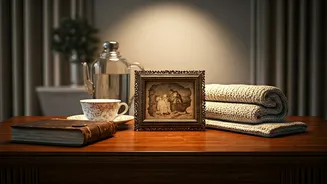
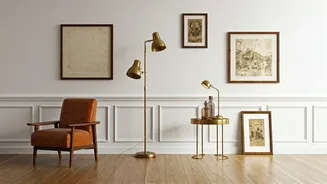
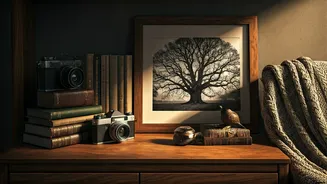
Once you've mined your memories, the next step is curating them into your living space. This is not a license for hoarding, but a call for thoughtful display. A home filled with story isn't cluttered; it’s layered. Frame that faded postcard from your study abroad. Find a beautiful bowl to hold the collection of sea glass you and your kids gathered. Give your grandfather’s old camera a place of honor on a bookshelf, even if it no longer works. The key is to treat these items with the same respect you would a piece of art. Group objects to create small vignettes on a mantel or side table. A 'story corner' might feature a comfortable reading chair next to a stack of books that shaped you, with a framed map of a city you love hanging above. By elevating these personal artifacts, you give them a new life and allow them to tell their stories to anyone who enters the room.
Weaving New Stories, Imperfectly
A storybook home is never truly finished because your life isn't. It should evolve as you do. The beauty of this approach is its embrace of imperfection and growth. That wine stain on the wooden table isn't a flaw; it's a ghost of a dinner party filled with laughter. The small scratch on the floor marks the spot where you taught your dog to play fetch. A home designed from memory isn't a pristine museum; it’s a living document. It allows for change, for new chapters, and for the beautiful messiness of life. As you travel, form new relationships, and hit new milestones, you’ll collect new artifacts and memories to weave into the existing narrative. Your home becomes a dynamic reflection of your past, present, and even your future, a comfortable and deeply personal sanctuary in a world that often pushes for uniformity.