




Why Good Rain Goes Bad
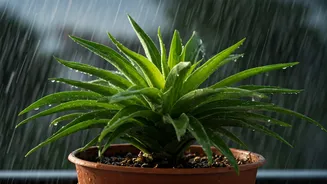
In arid regions like the American Southwest, the summer monsoon feels like a gift. But when weeks of intense downpours saturate the ground, that gift can turn toxic for your garden. The core issue isn't the water itself, but the lack of oxygen it creates.
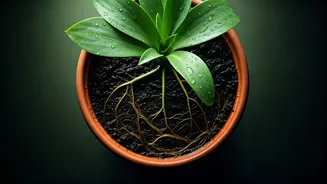
Plant roots need to breathe. They absorb oxygen from tiny air pockets in the soil. When these pockets are completely filled with water for an extended period, the roots literally begin to drown. This anaerobic (oxygen-free) environment is the perfect breeding ground for fungal and bacterial pathogens that cause root rot, a disease that can quickly kill a healthy plant from the ground up. The dense, clay-heavy soils common in many parts of the U.S. are particularly susceptible, as they drain slowly and compact easily.
Spotting the Signs of Distress
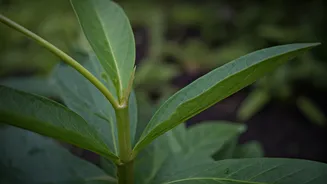
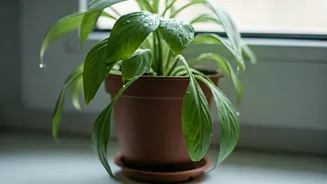
The cruel irony of a waterlogged plant is that it often looks thirsty. Because the damaged roots can no longer absorb water and nutrients efficiently, the plant's leaves may wilt, droop, and turn yellow—starting with the lower ones first. You might see stunted growth, leaf drop, or a general lack of vigor. If you see these signs and know the soil is damp, you’re not dealing with a lack of water, but a lack of healthy roots. A simple check is to stick your finger a few inches into the soil. If it feels soggy or muddy days after a storm, your drainage is poor. For potted plants, a sour or swampy smell emanating from the soil is a dead giveaway that root rot has taken hold.
Fix #1: Fortify Your Soil
The single most effective long-term strategy is improving your soil's drainage. You want to create a structure that allows water to pass through, leaving behind moisture and air. The best time to do this is before planting. Amend your garden beds by working several inches of organic matter—like compost, coco coir, or well-rotted manure—into the top 8-12 inches of soil. This improves soil structure, creating more air pockets. For particularly dense clay soil, adding coarse sand or fine gravel can also increase porosity. If you’re dealing with an existing garden, you can still gently work compost into the top few inches of soil around your plants (a process called 'top dressing') to gradually improve conditions without disturbing the root systems too much.
Fix #2: Elevate Your Container Game
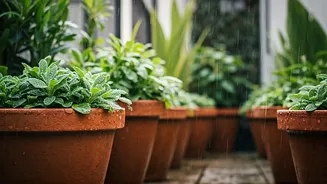
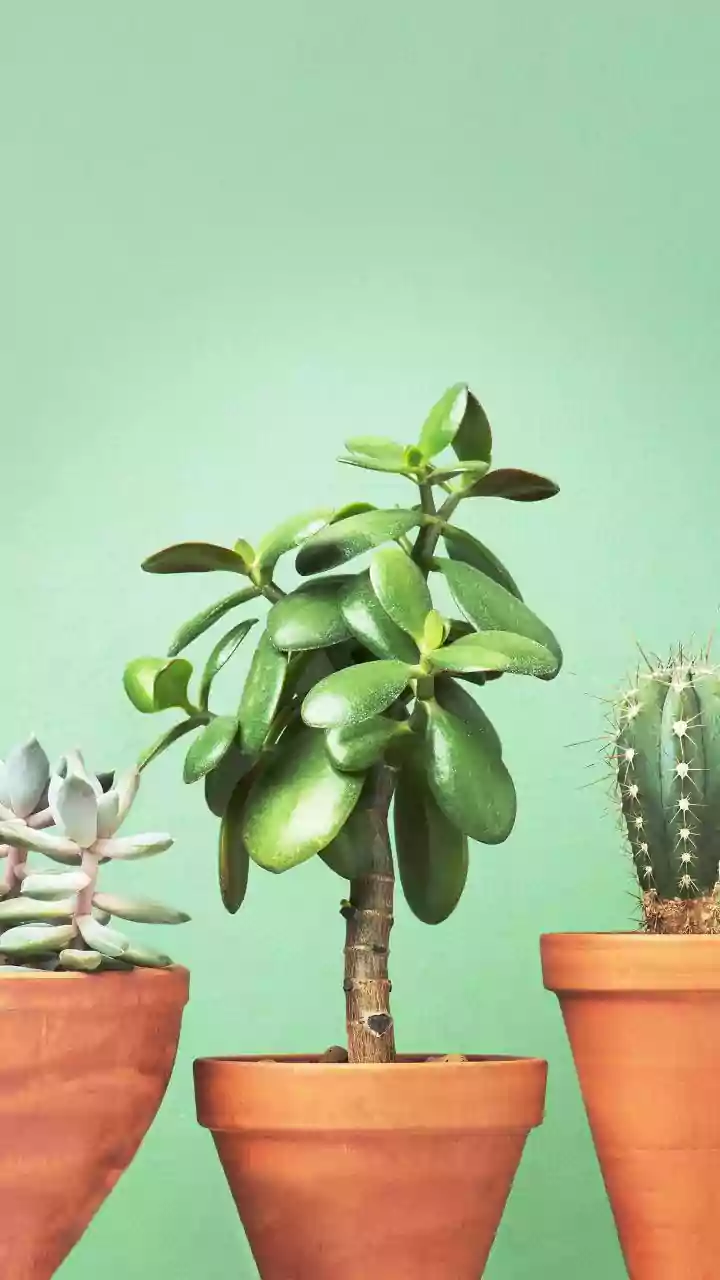
For container gardeners, monsoon season is a battle of drainage. First, ensure every pot has at least one large, unobstructed drainage hole. If it doesn’t, drill one. Don't fall for the myth of putting gravel at the bottom of a pot; studies show this actually raises the water table inside the container and can make root rot worse. Instead, use a well-draining potting mix, often labeled for cacti or succulents. The most critical fix is to get your pots off the ground. Place them on 'pot feet,' bricks, or simple wooden blocks. This small gap allows excess water to escape freely and prevents the pot from sitting in a puddle on a saturated patio or deck, which would block the drainage hole and soak the soil from below.
Fix #3: Rethink Your Watering Schedule
This seems obvious, but it’s the easiest mistake to make. When the monsoons are active, put the hose and watering can away. A single significant downpour can provide all the water your garden needs for several days, or even a week. Rely on the finger test: don't water again until the top 2-3 inches of soil feel dry to the touch. Overriding your automatic sprinkler system is crucial; a pre-programmed schedule is your garden’s worst enemy during a wet season. Let nature do the work, and only intervene when the soil indicates it's truly necessary. This simple discipline prevents compounding the problem of waterlogged soil.