





Why Prune Before the Rains?
It might seem counterintuitive to cut back plants just before a period of growth, but pre-monsoon pruning is a crucial strategy for gardeners in the Southwest and other monsoon-prone climates. First, it stimulates fresh growth. By removing old, woody
stems and spent flowers, you signal to the plant that it's time to produce new, vigorous shoots and buds, which will be perfectly timed to take advantage of the coming moisture. Second, it improves the plant's structure and resilience. A well-pruned plant has better air circulation through its branches, which is essential for preventing fungal diseases like powdery mildew that thrive in humid, rainy conditions. Thinning out a dense canopy also makes the plant less susceptible to damage from the strong winds that often accompany monsoon storms. Finally, pruning helps manage the plant’s size and shape, preventing it from becoming overgrown and leggy during the rapid growth spurt fueled by the summer rains.
Timing Is Everything
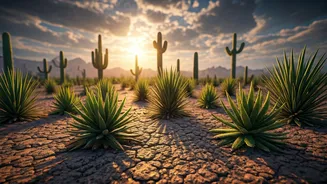
The window for pre-monsoon pruning is specific and important. In the American Southwest, the target period is typically from late May through late June. You want to complete your trimming before the first significant rains arrive, which usually start in early to mid-July. Pruning too early in the spring can leave new, tender growth vulnerable to a late frost. Pruning too late, once the humidity has already started to climb, can stress the plant and make it more susceptible to disease entering the fresh cuts. The goal is to give the plant a couple of weeks to heal and begin pushing out new growth just as the atmospheric moisture becomes available. Pay attention to the long-range forecast; if it looks like the monsoon is arriving earlier than usual, adjust your gardening calendar accordingly.
The Right Way to Trim
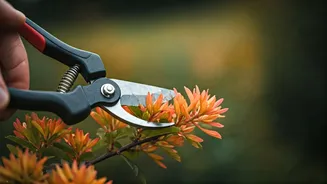
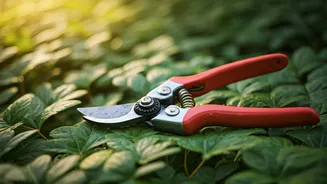
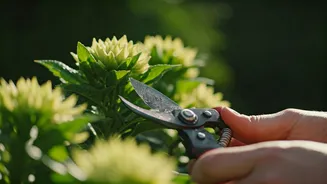
You don't need to be a master horticulturist to prune effectively. Start with the right tools: a clean, sharp pair of bypass pruners for smaller stems and a set of loppers or a small saw for thicker branches. Always disinfect your tools with rubbing alcohol or a bleach solution between plants to avoid spreading diseases. Begin by removing the “three Ds”: any wood that is dead, damaged, or diseased. These branches sap energy from the plant and are entry points for pests. Next, look for branches that are crossing or rubbing against each other and remove one of them. Finally, perform a shaping prune. You can typically remove up to one-third of the plant's total mass without causing harm. Make your cuts at a 45-degree angle, about a quarter-inch above an outward-facing bud. This directs new growth away from the center of the plant, promoting that all-important air circulation.
Know Your Plants
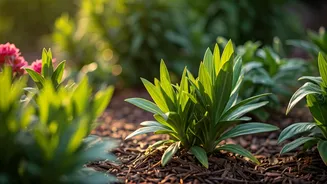
While the general rules apply to most flowering shrubs, some common garden favorites have specific needs. Bougainvillea, for example, blooms on new wood, so a hard prune before the monsoon will reward you with a spectacular show of color. Cut back long, trailing stems to encourage a bushier, more flower-dense plant. Lantana can also be cut back by about half to remove woody, non-productive growth and promote a new flush of flowers that butterflies love. For desert natives like Texas Sage (Leucophyllum), a light shearing is all that’s needed to encourage a fuller shape and a dramatic bloom after the first rain. Always do a quick search on your specific plant varieties, as some, like certain salvias, prefer to be pruned after their main blooming cycle, regardless of the season.
Common Pre-Monsoon Pitfalls to Avoid
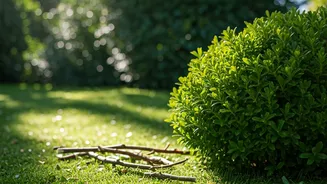
Enthusiasm is great, but it’s possible to get carried away. The most common mistake is over-pruning, or cutting the plant back too severely. Sticking to the one-third rule is a safe bet for most established shrubs. Another pitfall is what gardeners call “poodle-tailing”—stripping the lower branches and leaving only a tuft of foliage at the top. This looks unnatural and can weaken the plant. Also, be sure to clean up all your cuttings from the base of the plant. Leaving a pile of trimmings on the ground creates a perfect, moist environment for pests and diseases to take hold just as the rains begin. Finally, don’t forget to give your newly pruned plants a deep watering if the soil is dry. This helps them recover from the stress of pruning and get ready for the growth spurt ahead.