

The Genius of Steaming
In much of the United States, breakfast often means bacon, eggs, and toast—foods that are pan-fried, satisfying, and dense. But in a climate where humidity and heat can feel oppressive by 9 a.m., that approach can leave you feeling sluggish. Indian culinary
tradition, particularly in the south and west, long ago perfected an alternative: steaming. This gentle, oil-free cooking method produces dishes that are incredibly light and easy to digest. By avoiding the heavy fats and intense heat of frying, steamed breakfasts provide sustained energy without weighing you down. They are often built on a base of fermented batters, which not only gives them a unique, subtle tang but also introduces beneficial probiotics, making them gut-friendly from the start. This isn’t just about health; it's about a deep, intuitive understanding of how to eat for your environment. When your body is already working hard to stay cool, a light, steamed meal is a gift, not a burden.
South India’s Icon: Idli
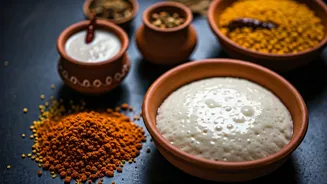
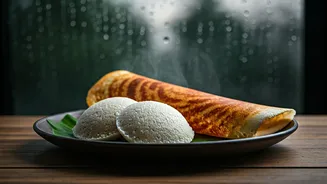
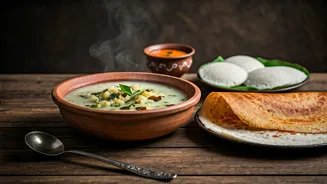
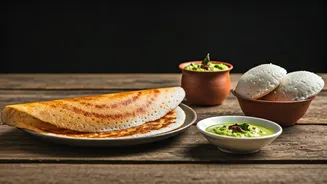
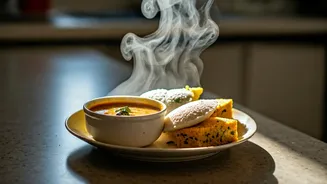
If steamed breakfasts have a global ambassador, it's the idli. These snowy, fluffy, saucer-shaped discs are a staple across Southern India. Made from a fermented batter of ground rice and lentils, idlis are steamed in a special tiered vessel until they puff up into something wonderfully soft and porous. They have a neutral, slightly tangy flavor, making them the perfect vehicle for accompaniments. A classic idli platter is a complete sensory experience: the pillowy cakes are served alongside a bowl of hot, brothy sambar (a lentil and vegetable stew) for dipping and a spoonful of coconut chutney, which adds a cool, fresh, and sometimes spicy counterpoint. The beauty of idli is in its simplicity and its composition. It’s hydrating, protein-rich, and completely free of oil, making it the undisputed champion of a wholesome, energizing start to a hot day.
Gujarat’s Spongy Star: Dhokla
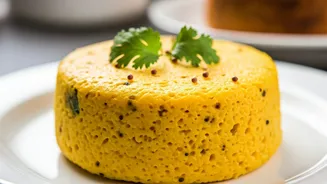
Head west to the state of Gujarat, and you’ll find another steamed marvel: dhokla. Unlike the rice-based idli, dhokla is typically made from a fermented batter of gram flour (besan), giving it a vibrant yellow hue and a distinctively nutty, savory flavor. The result is a wonderfully spongy, airy cake that’s both light and substantial. But the magic doesn’t stop there. After steaming, the block of dhokla is cut into squares and finished with a tempering (called a *tadka*) of hot oil infused with mustard seeds, curry leaves, and green chiles. This mixture is poured over the top, sizzling as it infuses the cake with flavor and moisture. Often garnished with fresh cilantro and grated coconut, dhokla is a perfect balance of savory, tangy, and subtly sweet. It’s a celebratory snack, a light lunch, and, most importantly, a brilliant breakfast food that awakens the palate without overwhelming it.
Kerala’s Cylindrical Wonder: Puttu
A lesser-known but equally fascinating creation from Kerala and parts of Tamil Nadu is puttu, which translates to “portioned” in Malayalam. Puttu is made by steaming cylinders of ground rice flour layered with fresh, grated coconut. It's traditionally cooked in a special 'puttu kutti' vessel, a cylindrical tube that sits atop a pot of boiling water, ensuring a perfectly cooked, crumbly-yet-firm texture. The aroma of steamed rice and coconut is subtle and deeply comforting. Unlike the savory idli or dhokla, puttu can swing both ways. It is often served with a savory curry, like kadala curry (a spicy black chickpea dish), where the puttu soaks up the gravy beautifully. Alternatively, it’s enjoyed simply with a ripe banana and a sprinkle of sugar, allowing the sweetness of the fruit and the fragrance of the coconut to shine. This versatility makes it a beloved breakfast that’s both rustic and refined.