

The Burnout of the Quick Fix
For decades, the wellness landscape was dominated by the promise of rapid transformation. Think ultra-low-calorie plans, single-food-group diets, and punishing cleanses that guaranteed to shed pounds in time for a wedding or vacation. But a collective
exhaustion has set in. Americans are waking up to the reality that crash diets are built on a foundation of deprivation that simply isn't sustainable. Physiologically, severe caloric restriction can slow your metabolism, making long-term weight management harder, not easier. Psychologically, it creates a fraught relationship with food, categorizing it into 'good' and 'bad' camps, which can lead to cycles of guilt, shame, and eventual 'failure' when willpower inevitably runs out. The conversation has shifted from 'How fast can I lose weight?' to 'How can I feel good without losing my mind?' We're realizing that health isn't a 14-day challenge; it's a lifelong practice.
So, What Are 'Real Meals'?
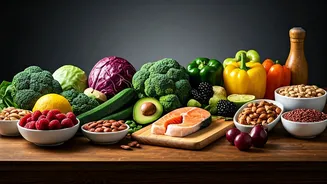
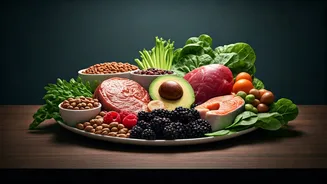
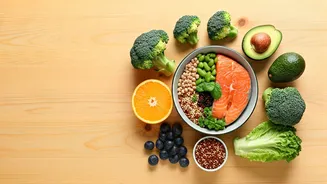
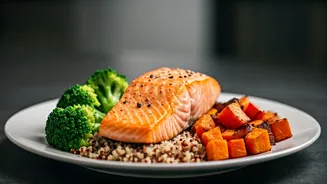
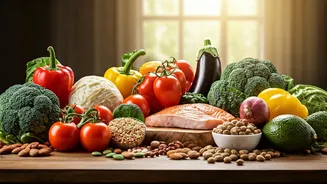
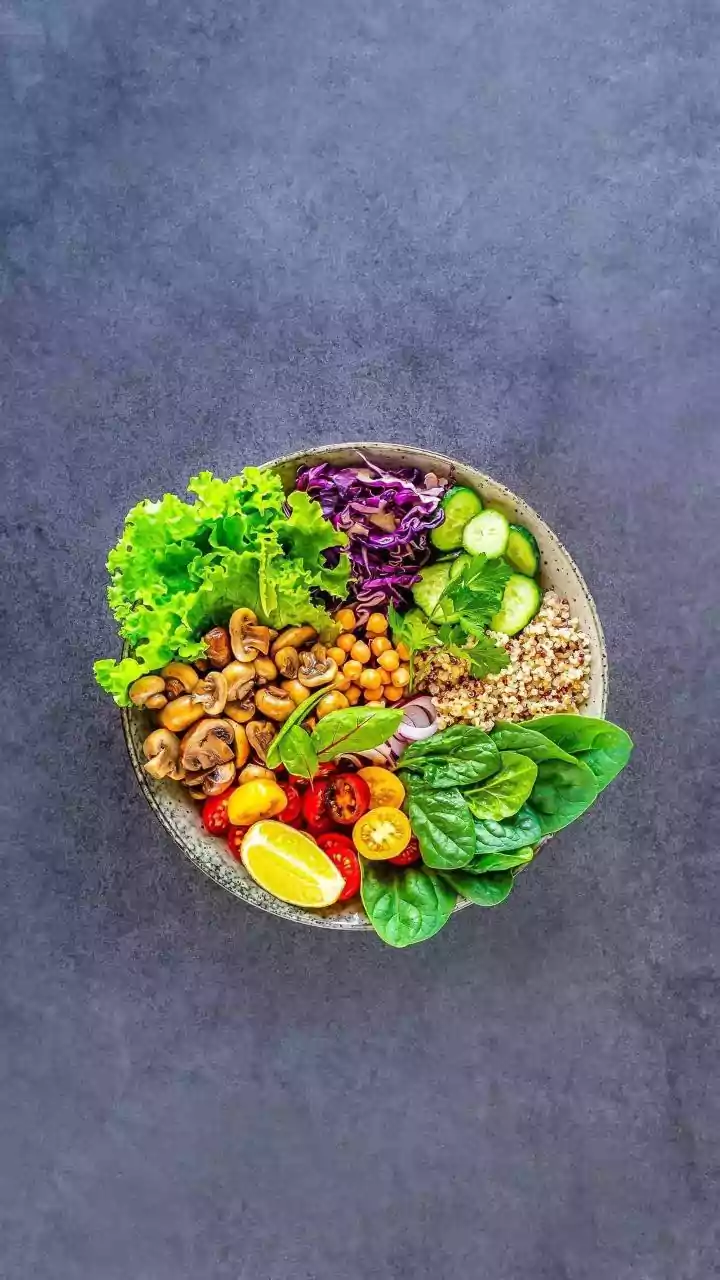
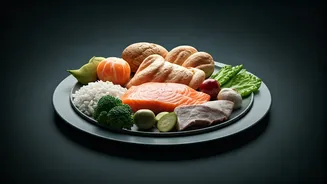
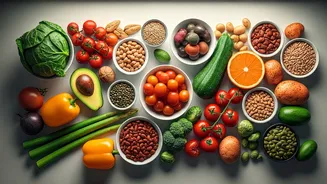
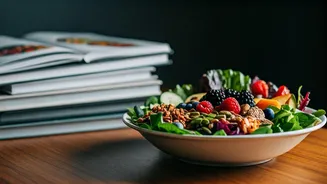
The 'In' side of this trend isn't another rigid prescription. 'Real meals' is less about a specific diet and more about a philosophy. At its core, it's about embracing whole, minimally processed foods that provide both nutrients and satisfaction. It's the difference between a chalky meal-replacement shake and a vibrant bowl with grilled chicken, quinoa, roasted broccoli, and avocado. One is about restriction; the other is about abundance. This approach prioritizes what you can *add* to your plate, not just what you must remove. Think adding more fiber from vegetables, more healthy fats from nuts and olive oil, and more protein to keep you full and energized. It’s about building a plate that honors your body’s need for energy and your mind’s need for enjoyment. A 'real meal' is satisfying, balanced, and doesn't come with a side of guilt. It’s food that fuels your life instead of controlling it.
The Rise of Food Freedom
This shift isn't happening in a vacuum. It's directly linked to the growing movements of body positivity, body neutrality, and intuitive eating. After years of chasing an often-unattainable physical ideal, many are choosing to make peace with their bodies instead of waging war on them. Intuitive eating, a framework developed by dietitians Evelyn Tribole and Elyse Resch, encourages people to reject the diet mentality and listen to their own internal hunger and fullness cues. It’s a radical departure from external rules about when, what, and how much to eat. This approach helps dismantle the anxiety around food and rebuild trust in your body's innate wisdom. Instead of demonizing a craving for pizza, it invites curiosity: Am I truly hungry? Will this be satisfying? How does it feel in my body? This focus on internal cues over external rules is empowering and, for many, the only path to a truly sustainable and peaceful relationship with food.
How to Embrace the Shift
Moving from a diet mindset to one of nourishment doesn't happen overnight, especially after years of conditioning. The key is to start small and focus on behaviors, not outcomes. Instead of banning carbs, try adding a serving of vegetables to your lunch and dinner. Instead of counting every calorie, pay attention to how your meals make you feel—energized and focused, or sluggish and tired? Practice mindful eating by putting your phone away and tasting your food. Another helpful strategy is to 'uncouple' food from morality. There are no 'good' or 'bad' foods; there are just foods with different nutritional profiles that serve different purposes. A cookie isn't a moral failing, and a salad isn't a badge of honor. By focusing on nourishment, satisfaction, and consistency, you can build an eating pattern that feels less like a chore and more like an act of self-care.