

The Great Trend Burnout
Remember the breakneck speed of TikTok fashion? One week it was “coastal grandmother,” the next it was hot-pink “Barbiecore,” followed by a fleeting obsession with something called “goblincore.” For a few years, keeping up with style meant participating
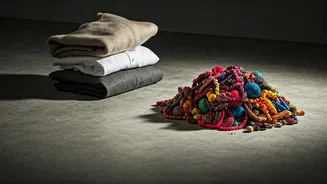
in a relentless cycle of consumption, driven by algorithm-fueled fads designed to last just long enough for your ultra-fast-fashion haul to arrive. But that frantic pace has led to widespread burnout. Young shoppers, particularly Gen Z, are showing signs of fatigue. The endless scroll of “must-have” items and the subsequent closet full of poor-quality, barely-worn clothes are losing their appeal. The dopamine hit of a cheap purchase is being replaced by a nagging sense of waste—of both money and resources. This isn't just a pendulum swing; it's a conscious retreat from the noise.
Defining the New Uniform
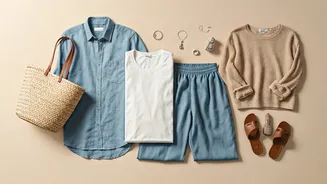
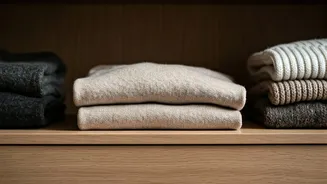
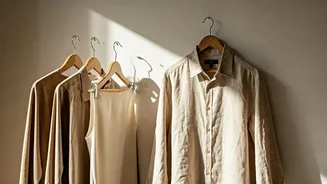
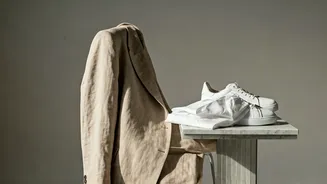
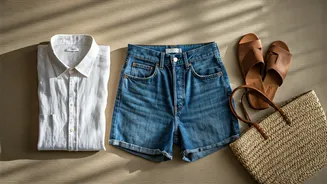
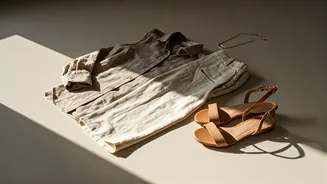
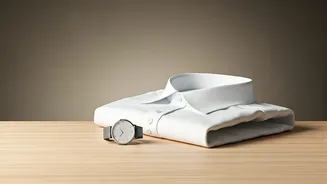
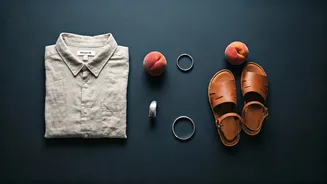
So, what does this new minimalism look like? It’s less about a rigid, all-beige-everything aesthetic and more about intentionality and ease. Think classic, well-fitting silhouettes that feel both timeless and modern. The new summer uniform consists of breezy linen trousers, simple ribbed tank tops, structured poplin shirts worn open over a slip dress, and denim that actually fits. The color palette is calming and versatile—ivory, black, olive, and soft blues replace the garish neons of seasons past. The focus has shifted from logos and loud prints to texture and quality. It’s about the feel of natural fabrics like cotton and linen against the skin. This isn't about being boring; it's about building a functional, elegant “capsule wardrobe” where every piece works with the others, making getting dressed a moment of calm rather than a crisis of choice.
It’s the Economy, Shopper
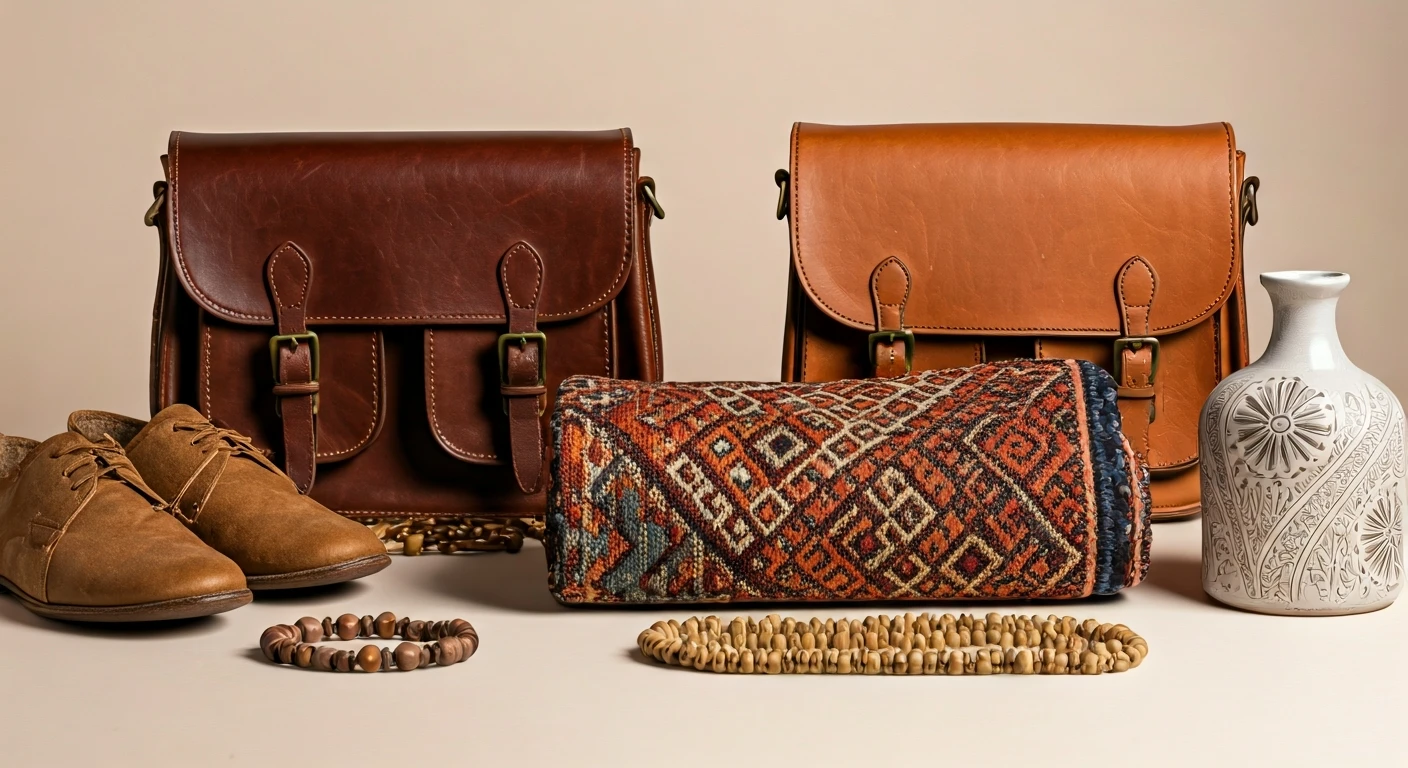
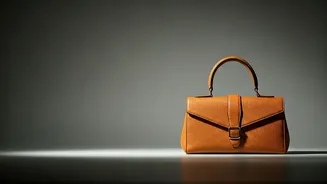
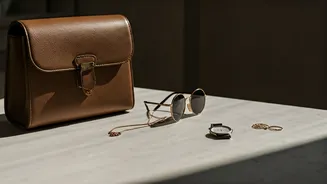
While an aesthetic shift is part of the story, the biggest driver is undeniably economic. With inflation, student loan payments, and a volatile job market, younger consumers simply have less disposable income. The math of fast fashion no longer makes sense. Why spend $15 on a top that falls apart after two washes when you can invest $50 in one that will last for years? This generation is embracing the concept of “cost per wear.” They are becoming savvy investors in their own wardrobes, prioritizing durability and versatility. This mindset is a form of “quiet luxury” for the budget-conscious. It’s not about buying a $2,000 logo-free bag from The Row; it’s about choosing a well-made leather tote from a direct-to-consumer brand that offers the same minimalist appeal and longevity at a fraction of the price. It’s a pragmatic approach to looking good without going broke.
A Quiet Form of Rebellion
Beyond the closet, this trend is a subtle form of cultural and environmental protest. Opting out of the trend cycle is a rejection of the constant pressure to consume and perform online. By choosing simple, timeless pieces, young shoppers are divorcing their identity from the latest fleeting fad. It’s a declaration that their self-worth isn’t tied to owning the “it” item of the week. This movement is also deeply intertwined with a growing awareness of sustainability. The environmental and ethical horrors of the fast fashion industry are well-documented, and Gen Z is a generation that puts its money where its values are. Choosing to buy fewer, better things is a direct action against exploitation and waste. It’s a vote for a slower, more mindful way of living, where personal style is a reflection of personal values, not just a reaction to a TikTok sound.