




Selling an Experience, Not a Product
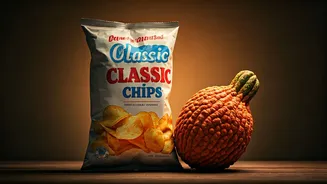
For generations, food and beverage marketing was straightforward: this tastes like strawberry, this one is cheesy, and this one has more chocolate. The focus was on the tangible, the literal flavor profile. But in an oversaturated market where consumers
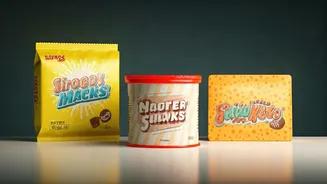
have endless options, simply tasting good is no longer enough. Brands are now in the business of emotional real estate. They’re not selling a drink; they’re selling the feeling of a perfect summer afternoon. They’re not selling a cookie; they’re selling a comforting memory of childhood. This strategy, often called sensory or emotional branding, repositions a product from a simple commodity into an experience. By linking a flavor to an abstract concept—like a mood, a memory, or an idea—companies create a deeper, more personal connection with their audience. The goal is to make you *feel* something before you even taste it, embedding the brand in your psyche in a way that a simple flavor description never could.
The Powerful Pull of Nostalgia
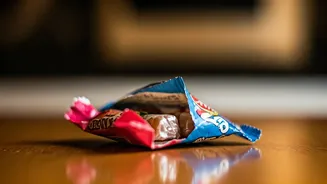
The primary engine driving this trend is nostalgia. Our senses of taste and smell are uniquely wired to our memory centers in the brain. A specific flavor can instantly transport you back to your grandmother's kitchen, a college dorm room, or a favorite childhood candy store. Brands understand this neurological shortcut and are increasingly designing products to activate it. Think of the constant rotation of limited-edition Oreo flavors that mimic everything from birthday cake to campfire s'mores. These aren't just new tastes; they're packaged memories. This strategy became particularly potent in the wake of the pandemic, as consumers sought comfort and stability in the familiar. Brands responded by re-releasing beloved '90s snacks, reviving classic recipes, and launching flavors that evoke a sense of simpler, happier times. It's a powerful tool: when you buy a product that reminds you of your past, you're not just making a purchase—you're buying back a small piece of a positive feeling.
From Tangible Tastes to Abstract Ideas
Some companies are taking this concept a step further, moving beyond nostalgia into pure abstraction. Coca-Cola's 'Creations' platform is a prime example. It has launched flavors like 'Starlight' (meant to taste like space), 'Dreamworld' (the flavor of dreams), and 'Byte' (the flavor of pixels). The company never explicitly states the taste profile. Instead, the marketing encourages consumers to debate and interpret the experience, generating online buzz and a sense of discovery. Similarly, sparkling water brands like LaCroix and Bubly built their empires on vaguely named flavor combinations like 'Pamplemousse' or 'Blackberry Bubbly.' The names are evocative and playful, suggesting a vibe rather than a direct fruit flavor. This ambiguity is intentional. It invites the consumer to project their own meaning onto the product, transforming a simple beverage into a form of self-expression. Choosing 'Beach Plum' over 'LimonCello' becomes a statement about the kind of mood you're in.
Why It's a Win for Business
This flavor-as-feeling strategy offers several key advantages for businesses. First, it helps brands stand out in a sea of sameness. When every competitor offers a lemon-lime soda, a 'Cosmic Citrus' feels novel and intriguing. Second, it builds immense brand loyalty. A customer who associates your product with a cherished memory or a specific positive emotion is far less likely to switch to a competitor. That connection transcends price and convenience. Finally, it allows companies to command a premium. An 'experience' is inherently more valuable than a simple can of soda. By selling an idea, brands can justify a higher price point and create a perception of exclusivity. This isn't just about food anymore; it's about curating a lifestyle, one emotionally charged flavor at a time.