







The Rise of the Health-Conscious Consumer
The most significant headwind for deep-fried fare is the decades-long cultural pivot toward wellness. It's no longer just about calories; it's about inflammation, heart health, and 'clean eating.' For a growing number of Americans, deep-fried foods land
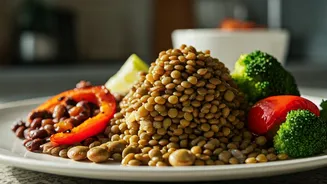
squarely in the 'avoid' column. Public health campaigns have successfully linked excessive consumption of fried foods to a host of issues, from obesity to cardiovascular disease. As concepts like 'gut health' and anti-inflammatory diets move from niche wellness blogs to mainstream conversation, the heavy, oil-saturated nature of deep-frying feels increasingly out of step. While comfort food will always have its place, the daily or even weekly indulgence in fried items is being reconsidered by millions who are now more likely to reach for a salad, a grain bowl, or a grilled protein.
The Air Fryer in the Room
You can’t talk about the decline of deep-frying without talking about the appliance that conquered the American countertop: the air fryer. This gadget offers a tantalizing proposition: the crispy texture of fried food with a fraction of the oil. For home cooks, it’s a game-changer. It eliminates the hassle, danger, and expense of dealing with large quantities of hot oil. An air fryer can crisp up frozen fries, reheat pizza to perfection, and 'fry' chicken wings with minimal mess and perceived guilt. This technological disruption has given consumers a viable, everyday alternative. It effectively satisfies the craving for 'crispy' without the nutritional and logistical baggage of traditional deep-frying, fundamentally altering the calculus for weeknight dinners across the country.
The Unforgiving Economics of the Fryer
In the restaurant world, the deep fryer is becoming a more expensive and complicated proposition. The cost of cooking oil has been volatile and generally trending upward, putting a direct squeeze on profit margins for everything from french fries to onion rings. Beyond ingredient costs, deep fryers are labor-intensive. They require regular, messy cleaning and filtering, and maintaining oil quality is a constant challenge. There are also significant safety and insurance concerns associated with large vats of hot grease. As the fast-casual sector has boomed, many new and successful chains like Sweetgreen and Cava have built their entire business model without a single deep fryer, proving that a restaurant can be highly profitable and popular while focusing on fresher, non-fried preparations. For many restaurateurs, designing a menu that avoids the fryer is simply a smarter business decision from the start.
Shifting Palates and Generational Tastes
Consumer preferences are also evolving, particularly with younger generations. Millennials and Gen Z, raised on a wider variety of global cuisines and food media, often prioritize different textures and flavor profiles. Their palates are more attuned to freshness, acidity, and umami from sources like fermented foods, fresh herbs, and complex sauces. While they haven't sworn off fried chicken sandwiches—a notable exception that remains wildly popular—their overall food landscape is far less reliant on frying as a primary cooking method. The 'foodie' culture they champion often celebrates technique, ingredient quality, and international authenticity, where deep-frying is just one tool among many, rather than the default method for making something delicious and appealing.