
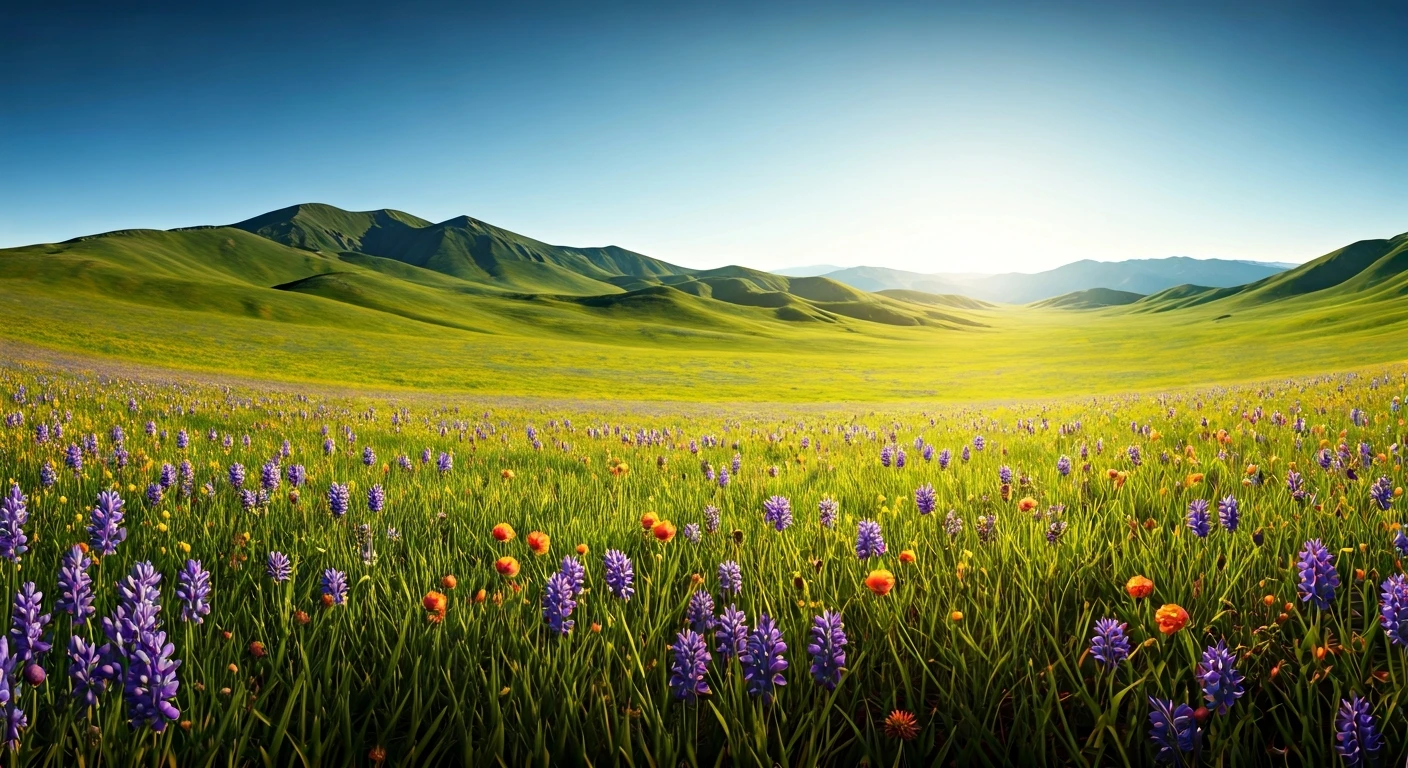
The Destination You've Never Heard Of
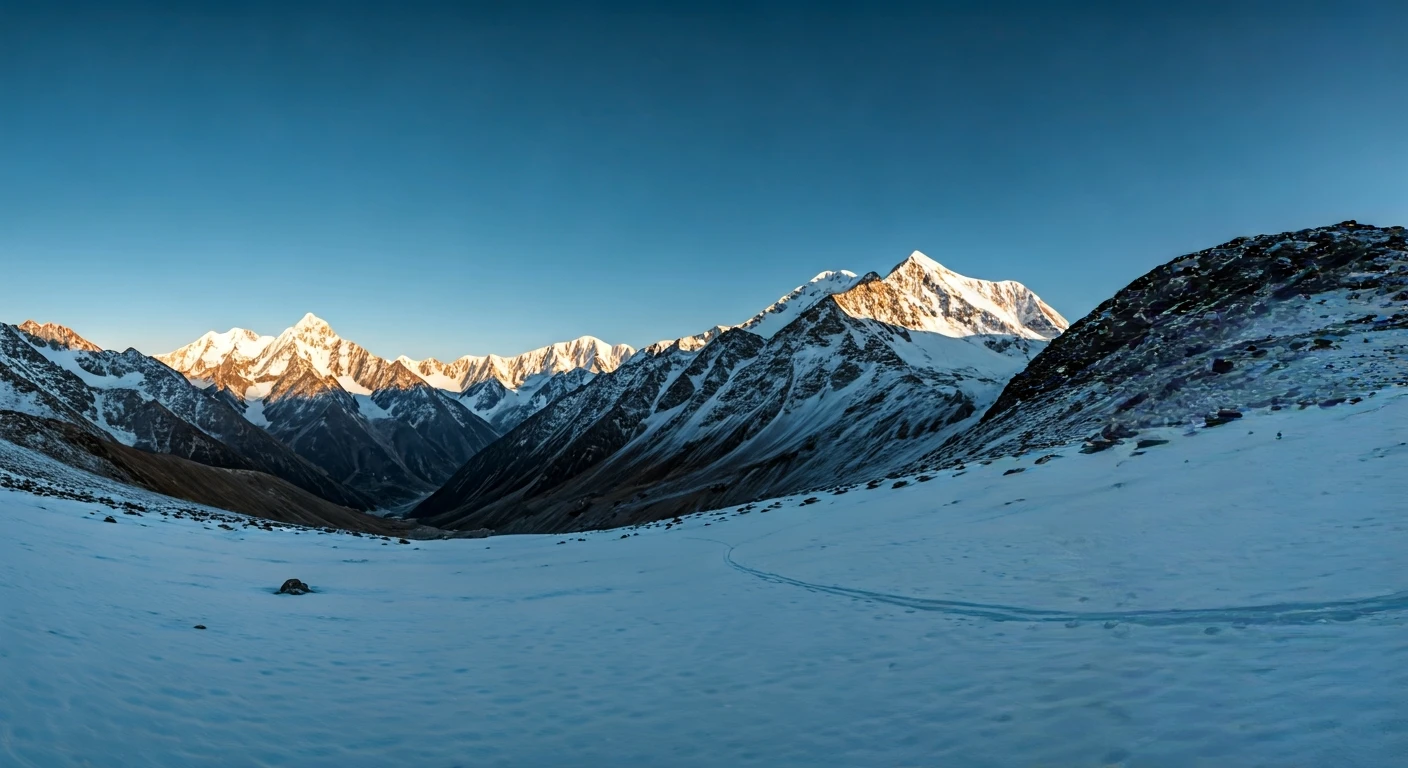
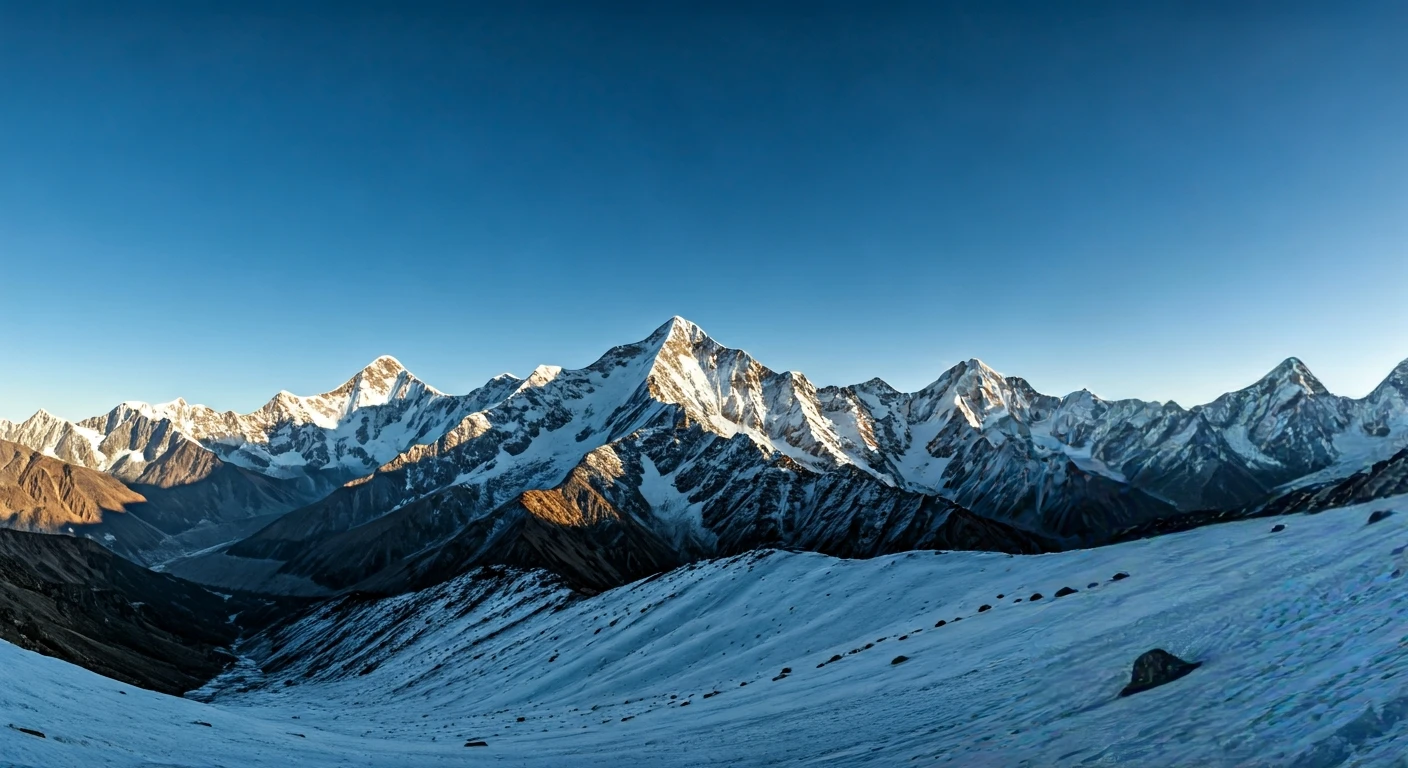
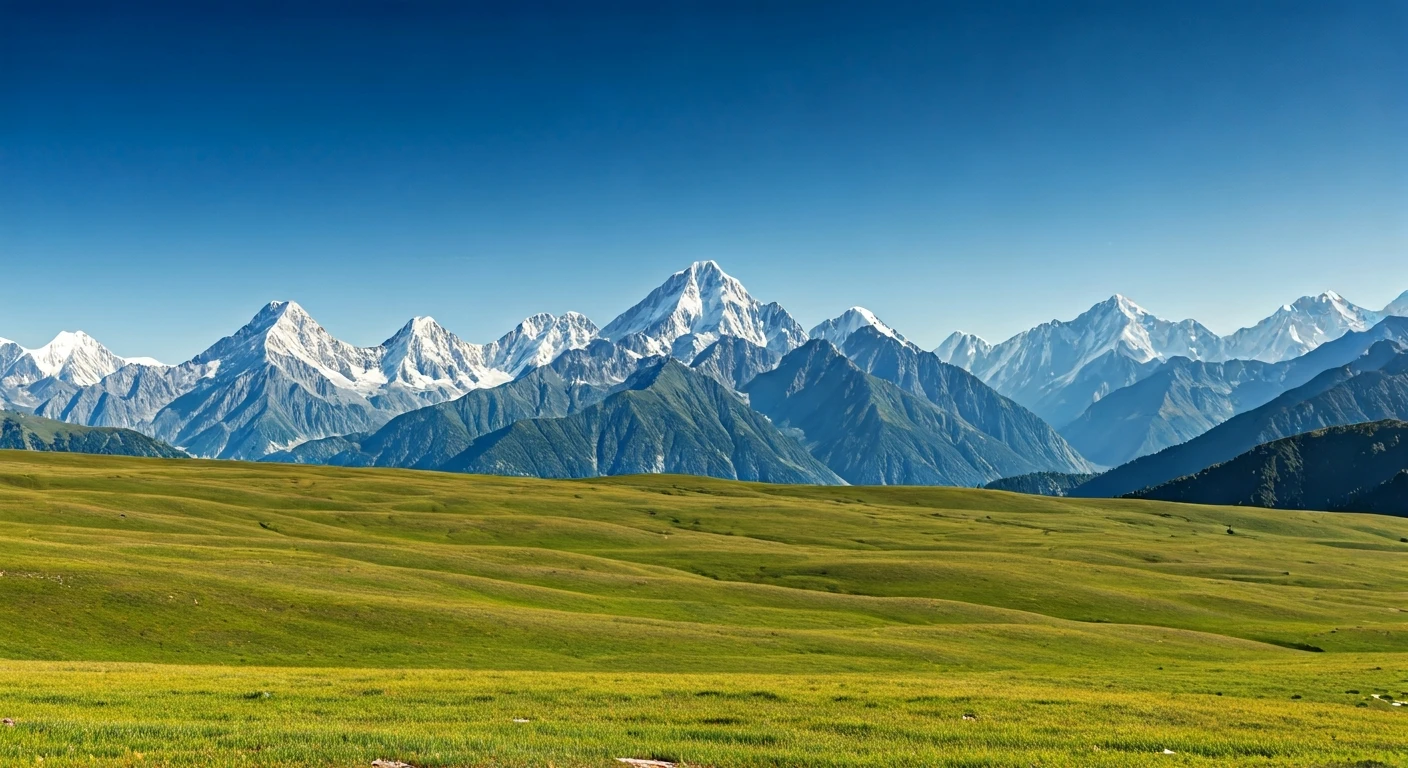
First, let's get oriented. Auli isn't on the typical American travel map, and that’s a huge part of its appeal. Pronounced 'aw-lee,' this stunning destination is a high-altitude meadow, or 'bugyal,' nestled in the Garhwal Himalayas of Uttarakhand, India.
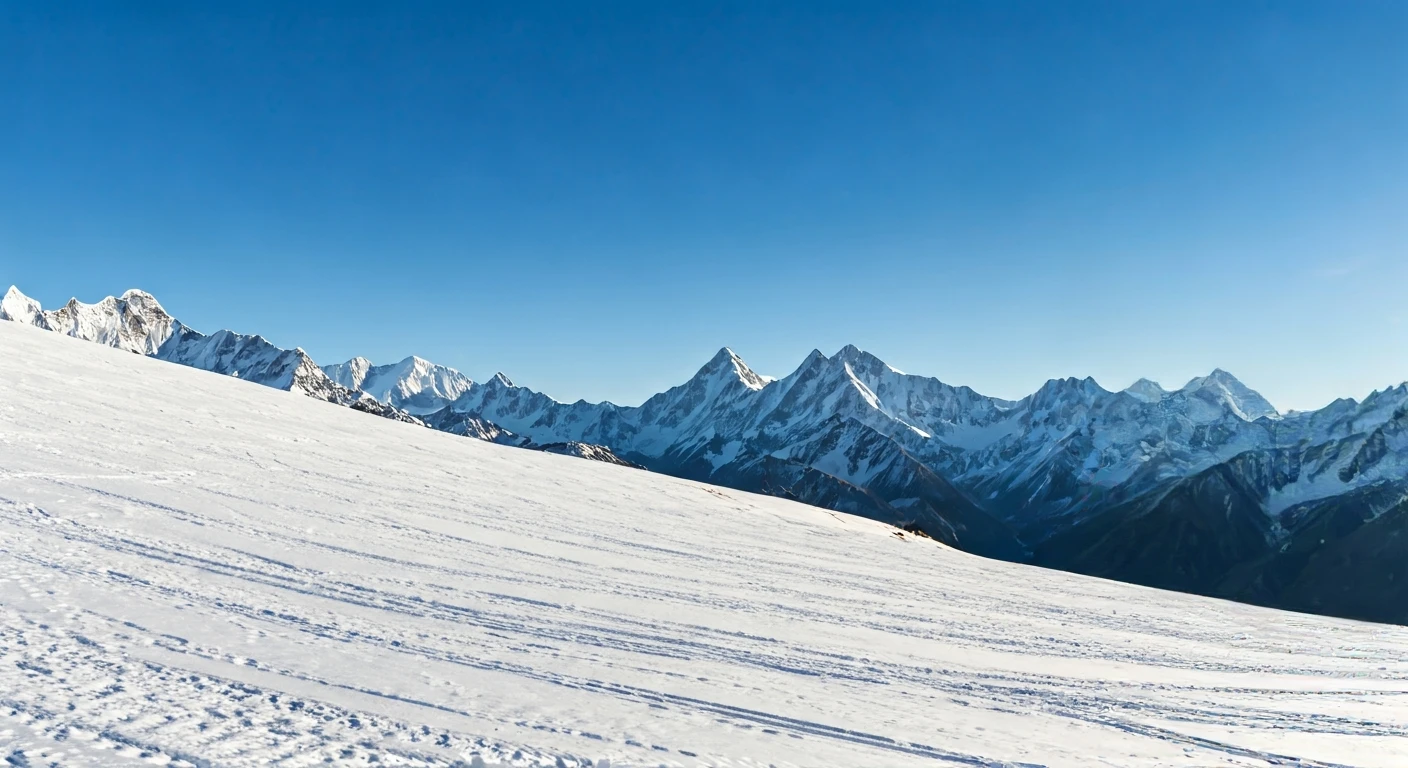
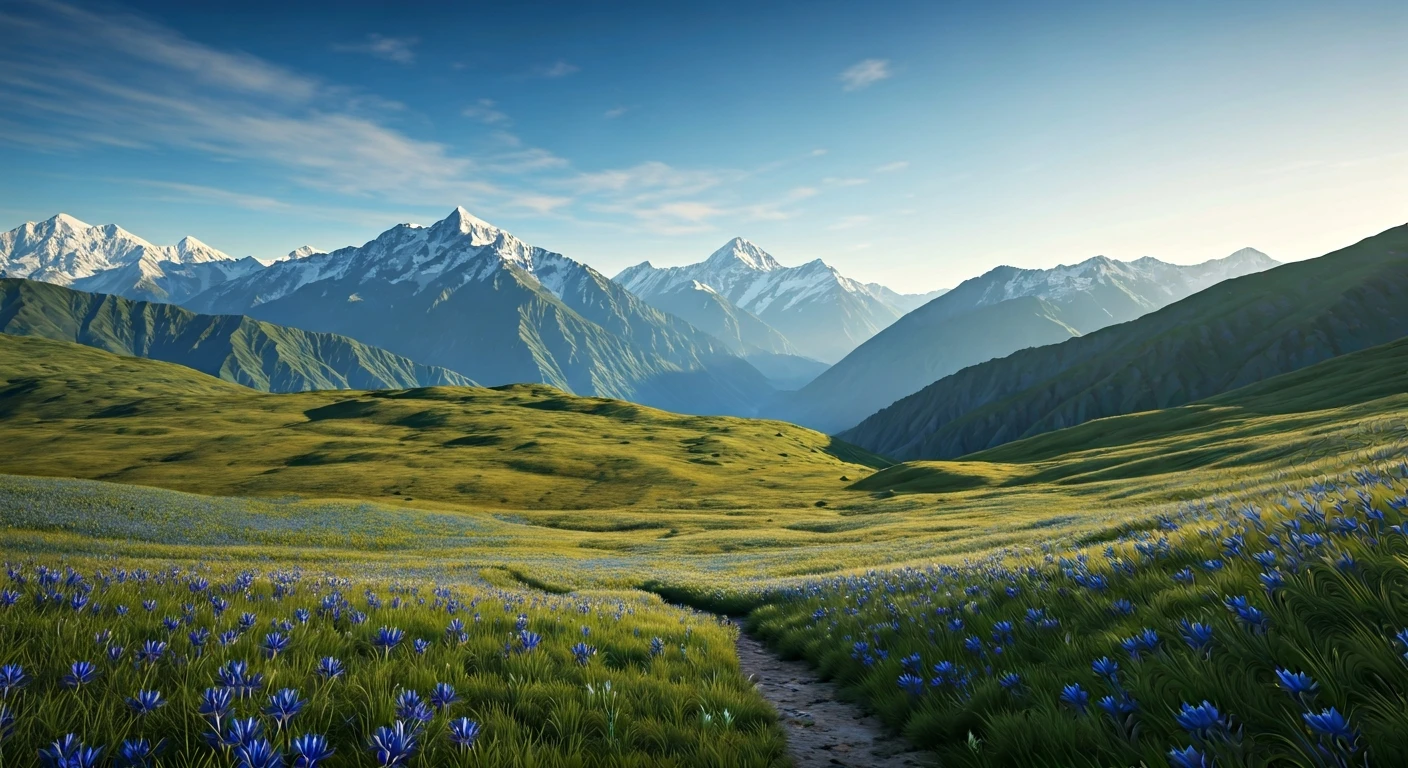
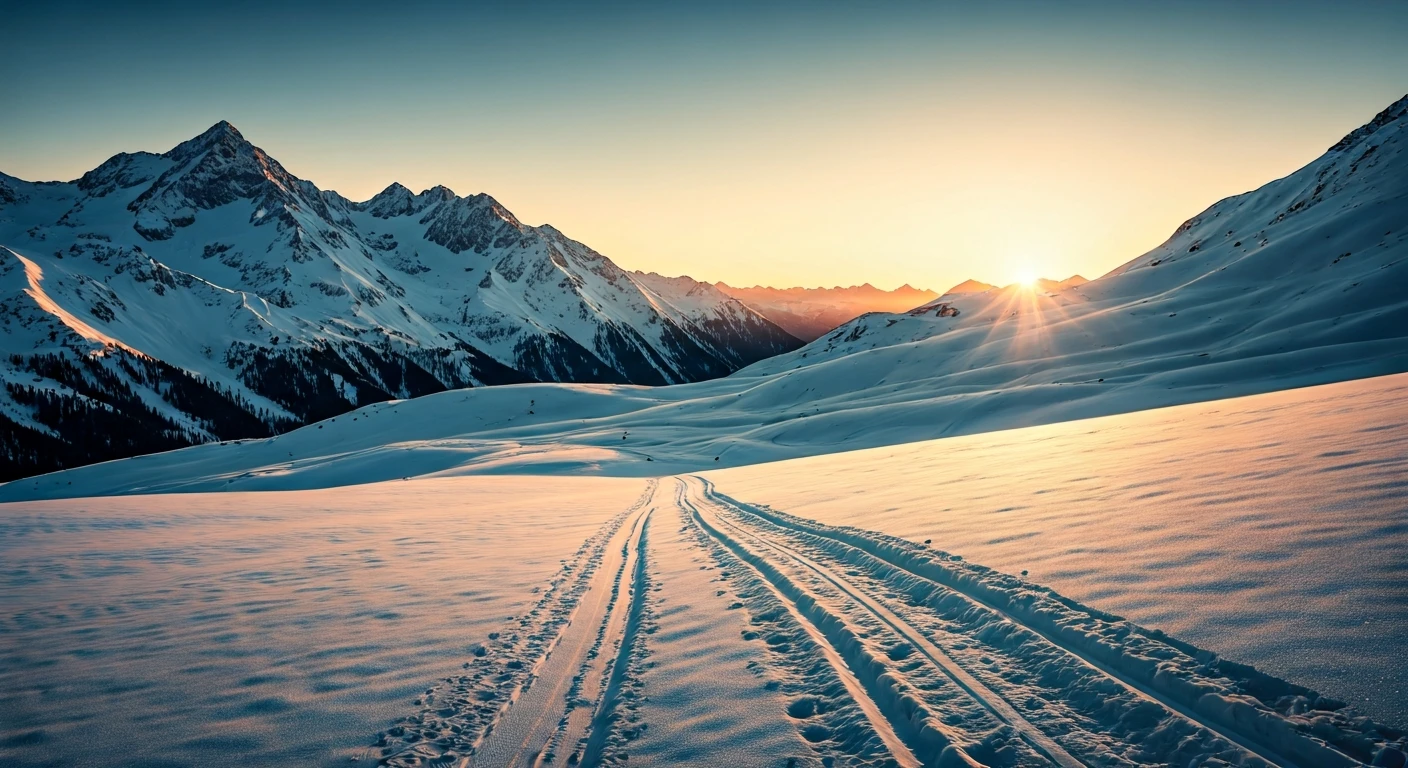
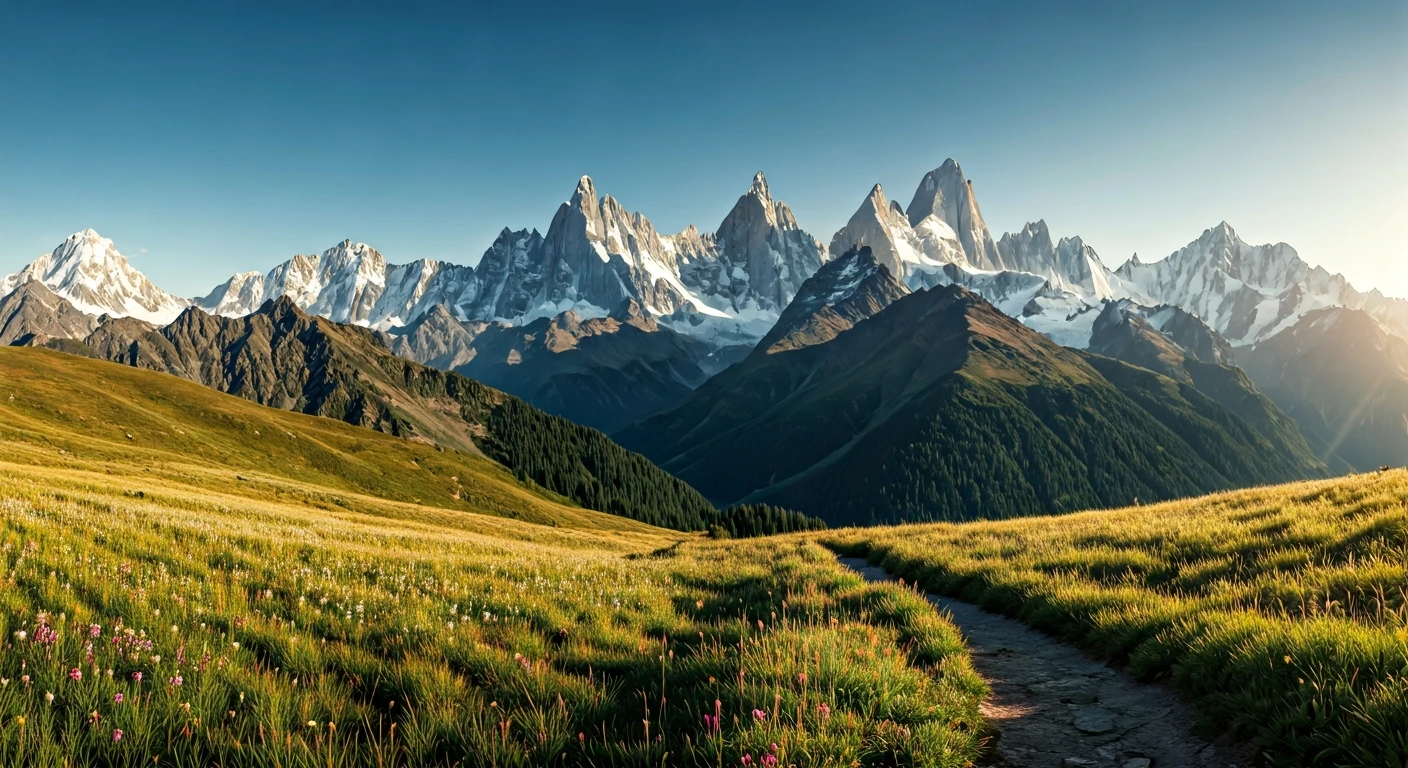
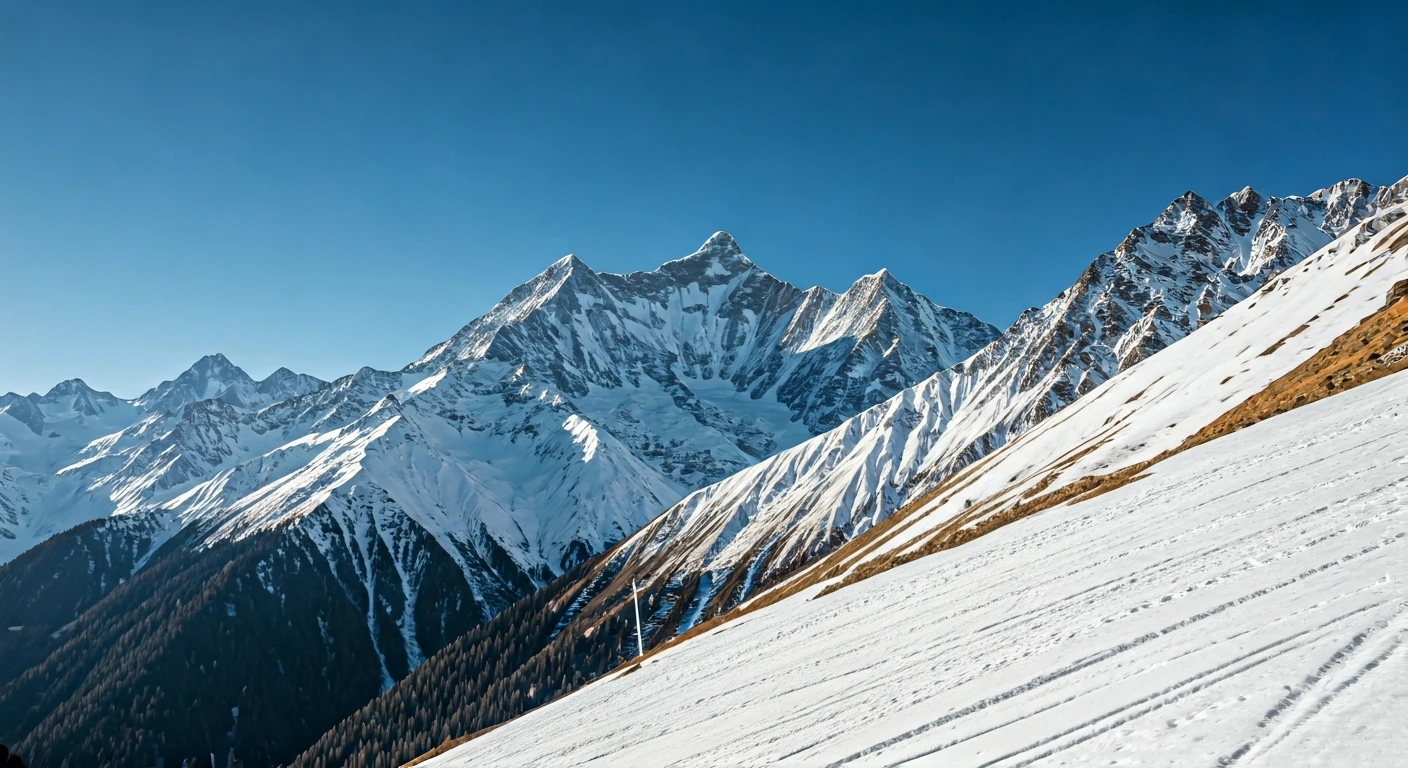
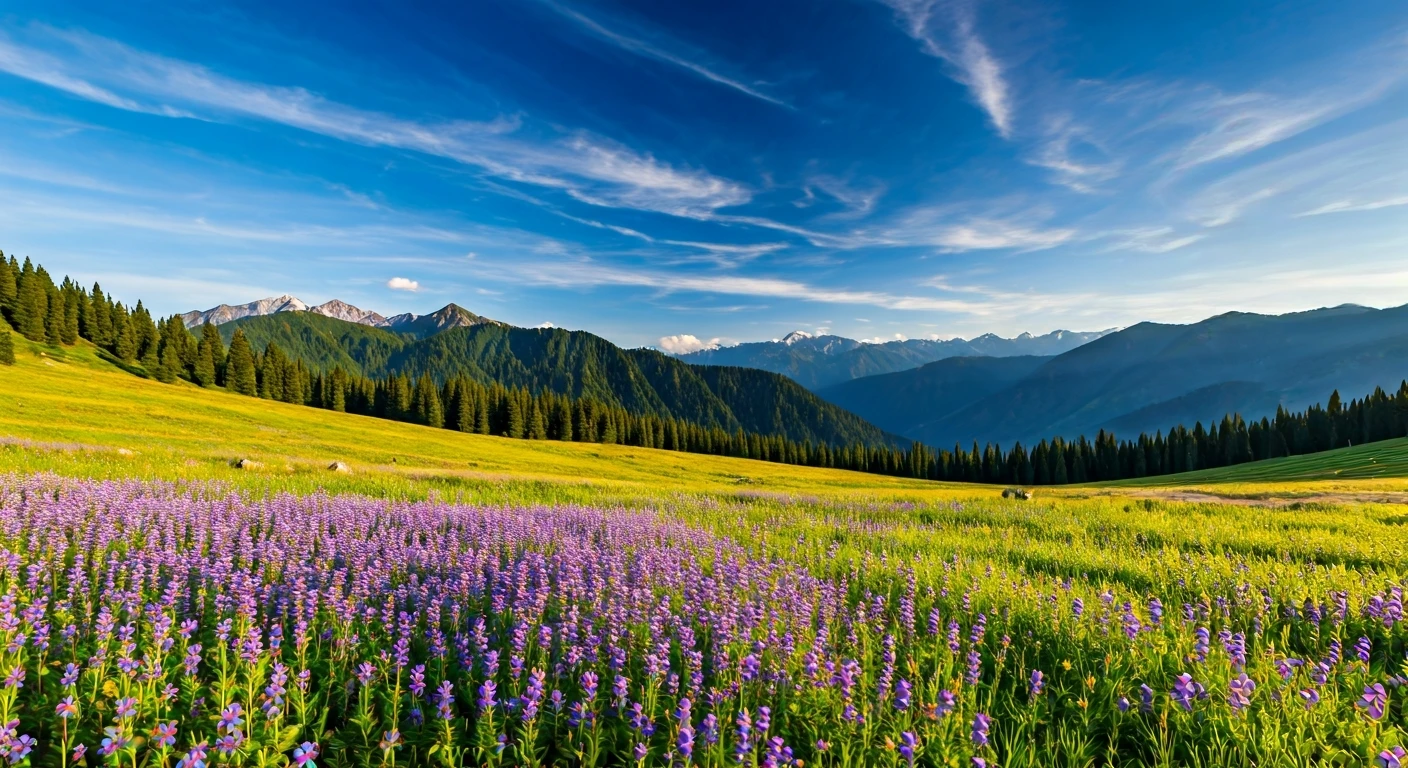
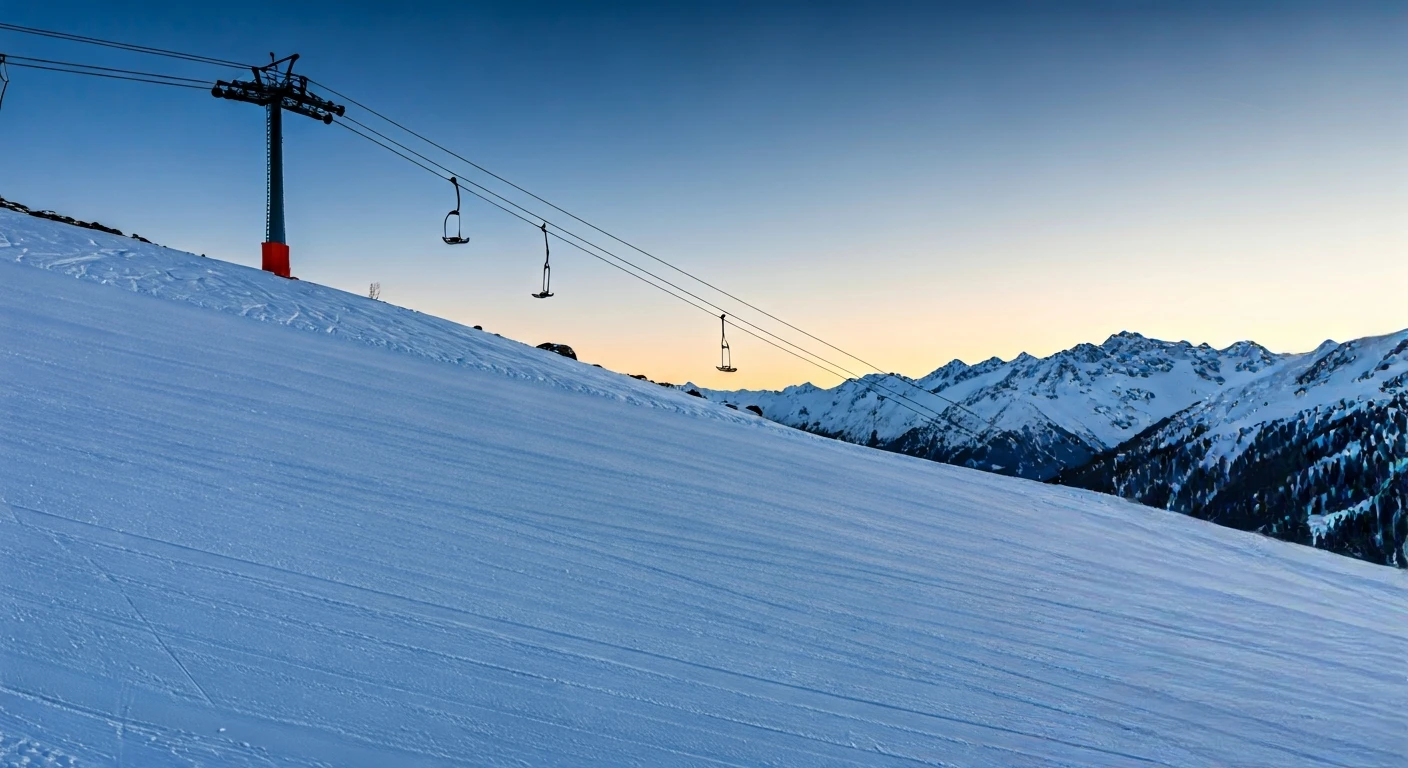
Situated at an elevation of over 8,200 feet, it’s primarily known within India as a premier ski resort in the winter. But come June, the snow recedes to reveal its true identity: a sprawling expanse of emerald green grass, dotted with wildflowers and framed by some of the highest peaks on Earth. It’s a landscape so pristine and vast that it has earned the local nickname, the “Mini Switzerland of India,” but its profound connection to Hindu mythology and Himalayan culture gives it a character all its own.
Escaping the Summer Heat
The 'smart' part of a June escape to Auli is all about the weather. While the great plains of India are sweltering in triple-digit temperatures and much of Southeast Asia is entering its monsoon season, Auli exists in a perfect climatic bubble. In June, you can expect daytime temperatures to hover in the cool and comfortable 60s Fahrenheit. The air is crisp, the sun is pleasant rather than punishing, and the heavy monsoon rains have typically not yet arrived. It’s weather made for exploration—for long walks, deep breaths, and shedding the layers of heat and humidity that define summer elsewhere. For anyone looking to escape oppressive heat without heading to the arctic, Auli presents a flawless solution.
From Ski Lifts to Scenic Hikes
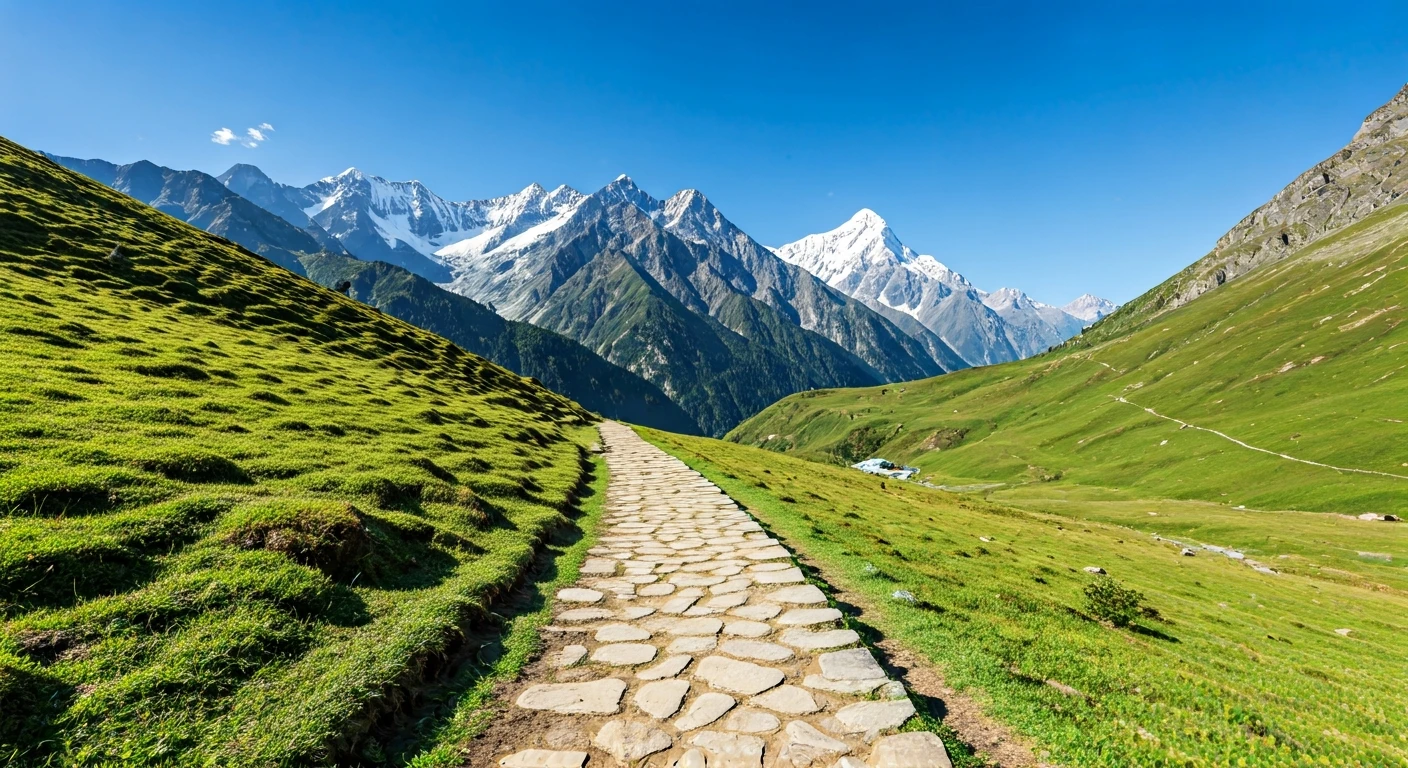
So, what do you do in a ski resort without snow? You embrace the green season. The main attraction is the Auli Ropeway, one of Asia's longest and highest cable car systems. The 2.5-mile journey connects the lower town of Joshimath to the upper meadows of Auli, offering breathtaking, panoramic views of the surrounding Himalayan giants, including the majestic Nanda Devi, India’s second-highest peak. Once at the top, the world is your hiking trail. The meadows are crisscrossed with paths leading to viewpoints, patches of dense oak and coniferous forest, and the serene Auli Artificial Lake, built to feed snowmaking guns in winter but serving as a beautiful, mirror-like oasis in summer. It’s an environment that encourages you to slow down and simply soak in the scale and silence of the mountains.
A Spiritual and Natural Gateway
Auli doesn't exist in isolation. It serves as a basecamp for some of India's most revered natural and spiritual sites. The nearby town of Joshimath is a sacred hub, established by the philosopher Adi Shankaracharya in the 8th century, and is home to ancient temples. Auli is also on the way to Badrinath, one of the four holiest pilgrimage sites in Hinduism. For the truly adventurous, Auli is the starting point for treks to places like the Valley of Flowers National Park, a UNESCO World Heritage site that erupts in a carpet of alpine flowers during the summer months. This proximity adds a layer of cultural and spiritual depth to the trip that a purely recreational resort destination can't offer. You're not just in the mountains; you're in a landscape that has been considered sacred for millennia.
The Journey Is the Destination
Getting to Auli is an adventure in itself. The most common route for international travelers is to fly into New Delhi, then take a short flight to the city of Dehradun. From there, it's a long but spectacular 10-hour drive through winding mountain roads. While that may sound daunting, framing it as part of the experience is key. The journey takes you along the banks of the sacred Ganges River, through bustling market towns, and up into the clouds. It's a gradual, mesmerizing immersion into the rhythm of the Himalayas. This isn't a weekend trip; it’s a journey for those who believe that the most rewarding destinations are often the ones that require a little more effort to reach.