






Defining the Analogue Escape
For years, the hospitality industry raced toward a technological future. Hotels competed to offer the fastest Wi-Fi, the most integrated smart-home features, and app-based everything, from check-in to room service. But a quiet counter-movement is gaining
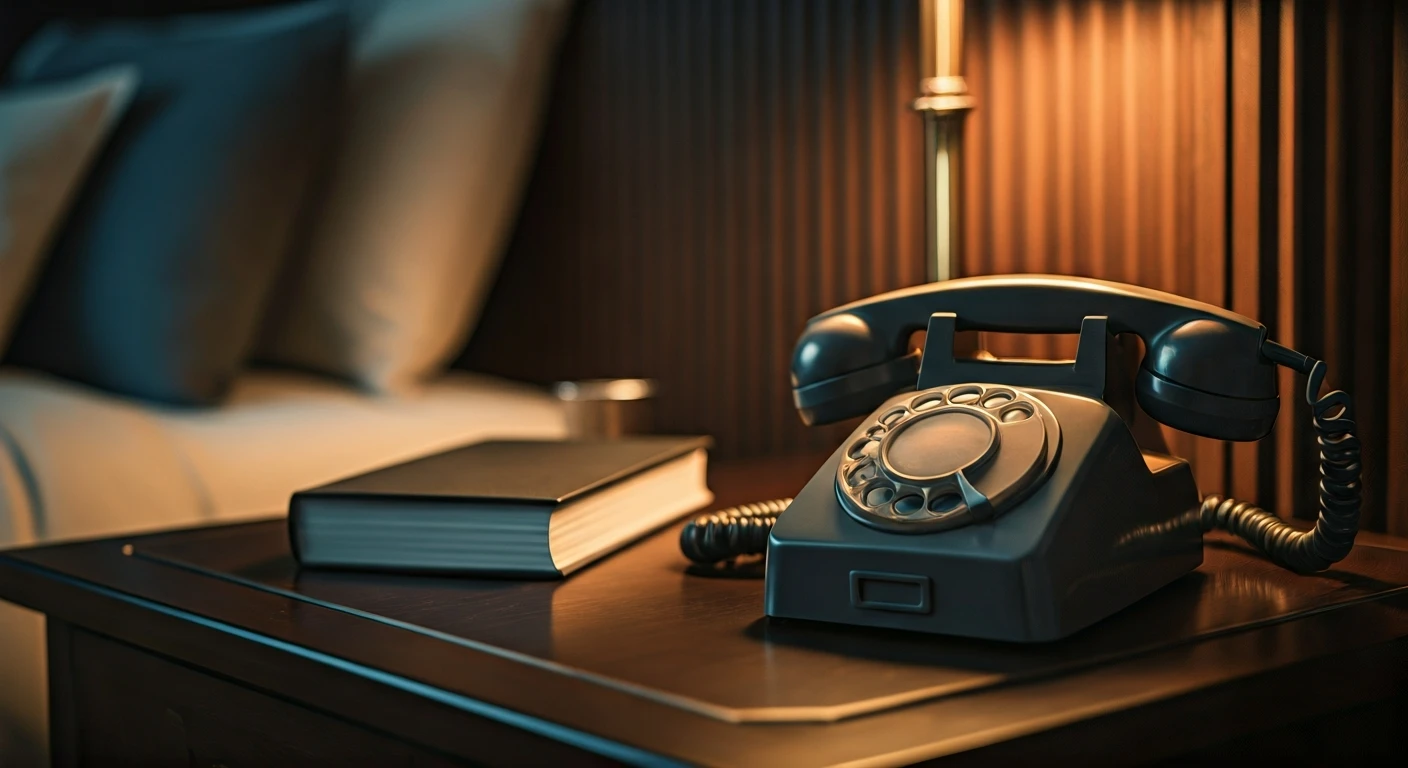
momentum. Enter the 'analogue hotel.' This isn't about being primitive; it's about being intentional. These establishments deliberately strip away digital distractions to foster a different kind of experience. Think rooms without televisions, lobbies that encourage conversation instead of co-working, and amenities that engage the senses in a tactile way: in-room record players, curated libraries, wood-burning fireplaces, and board games. The luxury here isn't found on a screen, but in the deliberate absence of one. It’s the opportunity to disconnect from the digital world in order to reconnect with yourself, your travel companions, and your surroundings.
The Rise of 'Soft Luxury'
This trend is a core tenet of 'soft luxury,' a term that describes a more subtle, experience-driven form of opulence. Unlike 'hard luxury'—think designer logos, flashy cars, and ostentatious displays of wealth—soft luxury is about intangible comforts and emotional fulfillment. It's the richness of having uninterrupted time, the peace of a quiet mind, and the pleasure of a perfectly crafted, non-digital moment. In our hyper-connected, always-on culture, the ability to be unreachable has become the ultimate status symbol. An analogue hotel stay signals that you have the resources and, more importantly, the self-possession to step away from the relentless churn of emails, notifications, and social media feeds. It’s a declaration that your time and attention are valuable commodities you choose to spend offline.
A Response to Digital Burnout
The appeal of the analogue hotel isn't just about snobbery; it's a direct response to widespread digital burnout. The lines between work and life have blurred into non-existence for many Americans, with remote work turning homes into offices and smartphones acting as digital leashes. We are saturated with information and exhausted by the pressure to be constantly available and productive. An analogue stay offers a powerful antidote. By removing the primary tools of modern distraction, these hotels create a space where guests are almost forced to relax. Without a TV to numb the mind or an Instagram feed to scroll, you might actually pick up that novel on the nightstand, have a long conversation over a glass of wine, or simply sit and watch the sun set without feeling the urge to capture it for an audience.
What It Looks Like in Practice
This philosophy manifests in various ways across the country. Boutique brands like Getaway have built a business on tiny, disconnected cabins in the woods, complete with cell phone lockboxes. High-end wellness resorts such as The Ranch Malibu have long championed digital detoxes as part of their programs. Even more traditional luxury properties are incorporating analogue elements. A hotel might replace the Nespresso machine with a pour-over coffee setup and locally roasted beans, or swap the minibar stocked with mass-market candy for a curated selection of artisanal snacks. The concierge becomes a central figure again—not a chatbot, but a real person with genuine local knowledge who can recommend a hidden trail or a great neighborhood diner. It’s a return to the foundational principles of hospitality: providing genuine care, comfort, and a true escape from the ordinary.