






The Wisdom of 'Cooling' Foods
Before we dive into the menu, it’s helpful to understand the philosophy. In India, particularly through the lens of Ayurveda, foods are classified by their inherent properties, not just their temperature. Some foods are considered 'ushna' (heating), like
ginger and black pepper, while others are 'shita' (cooling). These cooling foods are believed to help balance the body’s internal temperature and pacify 'pitta,' the Ayurvedic element associated with heat and fire. This isn't just folklore. Many of these traditional choices are also backed by modern nutritional science, often being high in water content, rich in electrolytes, or possessing compounds that create a physiological sensation of coolness. They’re designed to hydrate, replenish, and refresh from the inside out.
Yogurt: The Probiotic Powerhouse
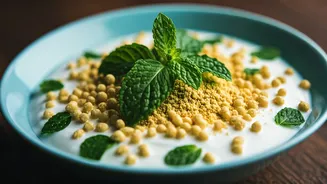
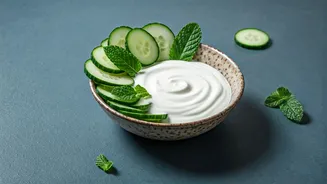
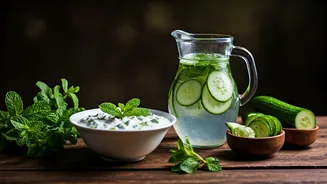
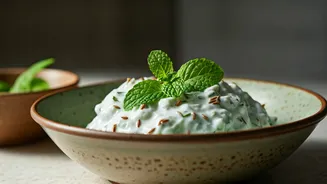
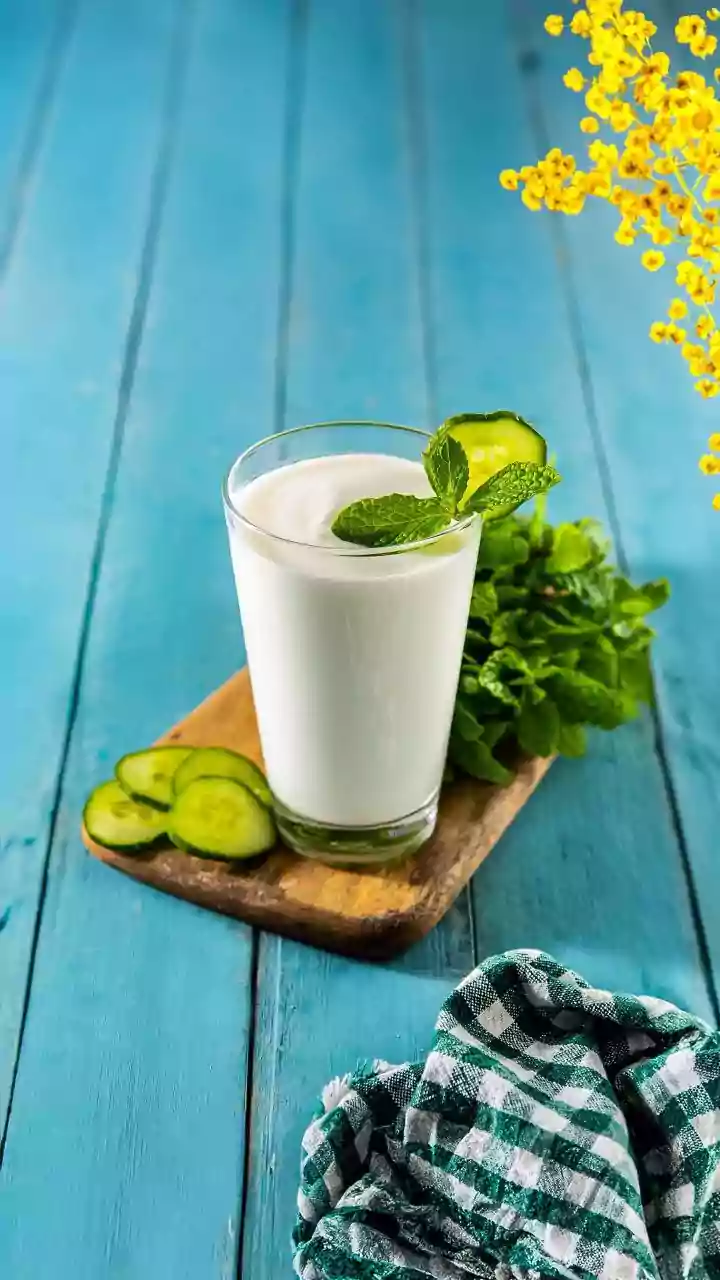
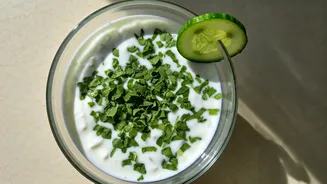
Yogurt is the undisputed king of cooling foods in India. You’ll find it in two primary forms on a hot day: lassi and raita. Lassi is a creamy, smoothie-like drink made by blending yogurt with water, spices, and sometimes fruit (like mango). A savory version, called 'chaas' or buttermilk, is thinner and often spiced with roasted cumin and mint, acting as a superb digestive and hydrator. Raita is a yogurt-based dip or side dish, typically mixed with cooling ingredients like grated cucumber, chopped mint, or tiny fried balls of gram flour called boondi. The high water content in yogurt helps with hydration, while its probiotic nature aids digestion, which can become sluggish in extreme heat.
Cucumber: Nature's Air Conditioner
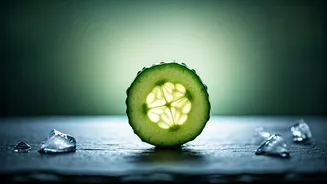
It’s no surprise that a vegetable composed of about 95% water is a summer staple. Cucumbers are a cornerstone of Indian summer salads and, as mentioned, a star ingredient in raita. Their incredibly high water content makes them a first-rate hydrator, helping to flush out toxins and cool the body from within. Munching on chilled cucumber slices sprinkled with a little salt and chili powder is a popular and effective street-side snack for beating the heat. Their crisp texture and mild flavor make them a refreshing addition to any meal, providing a cooling crunch that feels like a splash of cold water for your palate.
Mint and Cilantro: The Herbal Coolants
These two herbs are far more than just garnishes. Both mint (pudina) and cilantro (dhania) are renowned for their cooling properties. Mint contains menthol, a compound that triggers the cold-sensitive receptors in our skin and mouth, creating a distinct and immediate cooling sensation. It’s the star of countless summer drinks and chutneys. Cilantro is also considered a cooling herb in Ayurvedic tradition, believed to soothe the digestive system and reduce body heat. A classic Indian green chutney, blending cilantro, mint, green chilies, and lemon juice, is a fixture on summer tables, providing a burst of fresh, cooling flavor that cuts through the richness of other foods.
Nimbu Pani: The Ultimate Electrolyte Drink
Forget sugary sports drinks. Nimbu Pani, a simple Indian lemonade, is the original, all-natural hydrator. It’s a mix of fresh lime or lemon juice, water, and a pinch of salt and sugar. The combination is brilliant: the water hydrates, the lemon provides a vitamin C boost, the sugar provides a quick energy lift, and the salt replenishes the sodium lost through sweat. It’s a perfectly balanced electrolyte drink that costs pennies to make. You'll find countless variations, sometimes with a pinch of black salt (kala namak) for an earthy, savory kick or a sprig of mint for extra refreshment. It’s the first thing many people reach for after coming in from the scorching sun.
Aam Panna: The Green Mango Elixir
This unique and tangy drink is a seasonal specialty made from boiled and pulped raw, green mangoes. Aam Panna is a celebrated antidote to the intense dry heat of the North Indian summer, prized for preventing heat exhaustion and dehydration. The unripened mangoes are rich in pectin, electrolytes, and vitamins B and C. The drink is typically flavored with a mix of spices like cumin, fennel, and black salt, creating a complex sweet, sour, and savory profile that is profoundly refreshing. It’s a delicious, time-honored defense against sunstroke, proving that the best remedies are often found in nature's pantry.