









Beyond the One-Page Resume
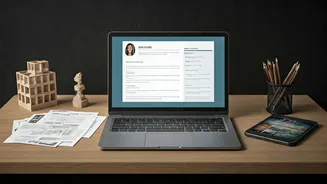
For decades, the resume has been the default currency of job hunting. It’s a concise, one-page summary of your history. But it’s also flat. A resume tells a hiring manager what you’ve done; a portfolio shows them how you did it and how well. Think of it this
way: a resume is the movie poster, but a portfolio is the trailer. It provides a dynamic preview of your capabilities, thinking process, and potential. For students, this is a game-changer. When your professional experience section is thin, a resume can feel like an exercise in creative wording. A portfolio flips the script. Instead of just listing “Proficient in Python” or “Strong Communication Skills,” you can link directly to a coding project you built or a compelling presentation you delivered. It transforms abstract claims into tangible evidence, giving you an immediate advantage over peers who only submit a resume.
The Proof-of-Work Advantage
Employers are fundamentally risk-averse. Hiring an entry-level candidate is a bet on their potential. A portfolio is the single best way to de-risk that bet. It provides what the tech world calls “proof of work”—verifiable evidence that you can, in fact, do the job. More than that, it demonstrates initiative and passion. A portfolio filled with class projects, personal experiments, or volunteer work signals that you’re not just passively completing a degree. It shows that you are genuinely interested in your field, curious enough to explore it on your own time, and motivated enough to create something without being told. This narrative is incredibly powerful. It tells a story of a self-starter who is ready to contribute from day one, which is far more compelling than a high GPA alone. In a competitive market, proving you're a low-risk, high-motivation candidate is the ultimate hack.
What to Include (Even With No Experience)
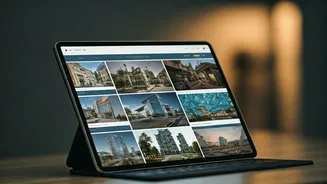
The most common roadblock for students is the belief that they have nothing to show. This is almost never true. The key is to reframe what counts as “work.” Your portfolio can be built from a wide range of materials you’re already producing. Start with your academics. Cherry-pick your best work: a well-researched term paper (for writing and analysis skills), a detailed slide deck from a class presentation (for communication and design), or a complex financial model from a business course. Next, add personal projects. Did you start a blog, build a simple app, create a mock marketing campaign for your favorite brand, or help a campus club with its social media? These all count. Volunteer work is another goldmine, whether you designed a flyer for a fundraiser or helped a nonprofit organize an event. Even certifications from online courses or participation in a hackathon demonstrate a commitment to learning. Curate 3-5 of your strongest pieces that align with the jobs you want. For each one, write a brief description of the project, the goal, and your specific role.
Choosing Your Platform
Creating a portfolio doesn’t require a computer science degree or a big budget. The goal is accessibility and professionalism. For most students, a simple, clean website is the best option. Platforms like Squarespace, Wix, or Carrd offer user-friendly templates that let you build a polished site in an afternoon. If you’re a developer, your GitHub profile can serve as a de facto portfolio. For designers and visual artists, Behance or Dribbble are industry standards. Don’t have time or money for a full website? No problem. You can start even simpler. LinkedIn has a “Featured” section on your profile where you can upload documents and link to projects. Another effective, no-cost method is to create a well-designed PDF that you can attach to applications or link to from your email signature. Host it on Google Drive or Dropbox and use a URL shortener like bit.ly to create a clean, shareable link. The medium is less important than the message; just make sure it's easy for a busy hiring manager to access and navigate your work.