



The Science of Softness
When designers say plants “soften” a room, they’re talking about a powerful visual and psychological effect. Our homes are dominated by rigid geometry: rectangular windows, square tables, and 90-degree angles. Plants, with their curving stems, unpredictable
leaf shapes, and asymmetrical growth, are a direct and welcome contrast. They disrupt the monotony of straight lines, introducing a natural, flowing element that the human eye finds inherently calming. This principle is rooted in biophilia—our innate tendency to connect with nature. Introducing living things into our built environments reduces stress and creates a sense of sanctuary. A plant corner isn’t just a decorating choice; it’s an act of bringing the restorative, gentle patterns of the natural world indoors. The softness comes from this visual and emotional relief from an otherwise angular and static world.
Choose an Anchor Plant
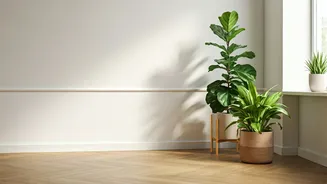
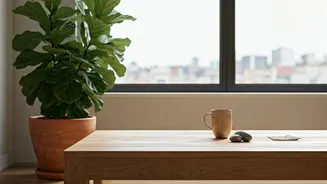
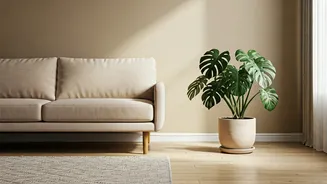
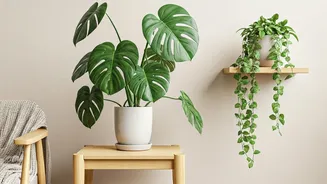
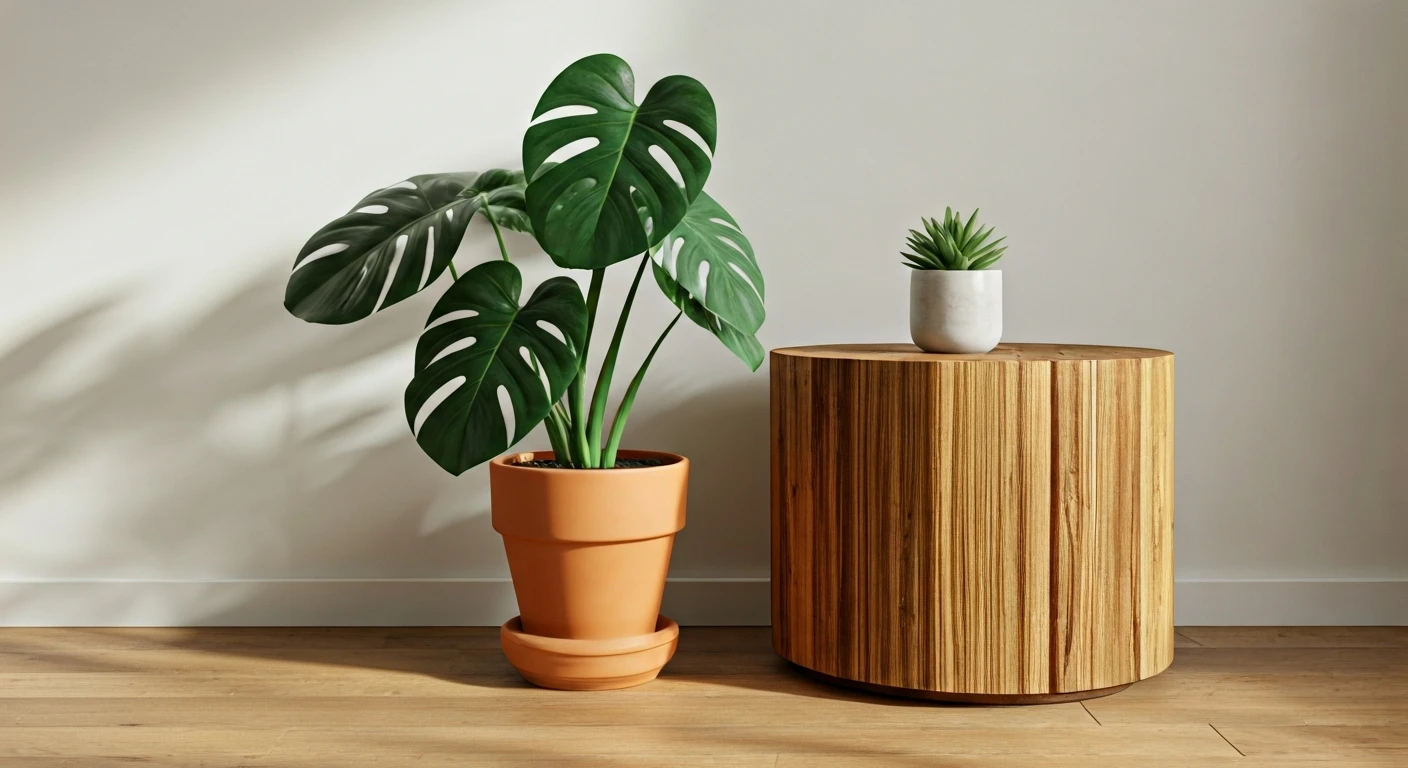
Every great plant corner begins with a focal point. This is your anchor, the star of the show that sets the tone for the entire arrangement. For a corner, a taller, floor-standing plant works wonders to draw the eye upward and utilize vertical space. Consider a Fiddle Leaf Fig for its large, sculptural leaves and dramatic presence, or a Monstera Deliciosa for its iconic, fenestrated foliage that casts beautiful shadows. If your corner has lower light, a Snake Plant (Sansevieria) provides a strong vertical element without needing much sun. The key is to choose one plant that is substantial enough to claim the space. This anchor plant prevents the corner from looking like a cluttered collection of small pots and gives it a clear, intentional design.
Layer Heights for Visual Interest
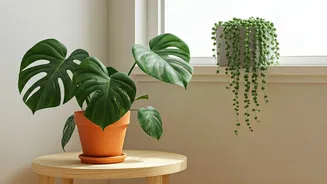
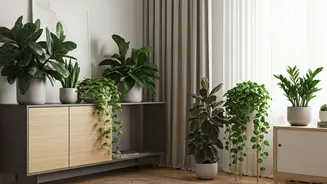
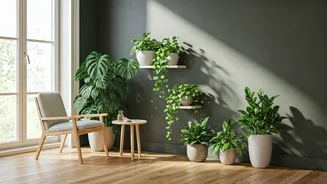
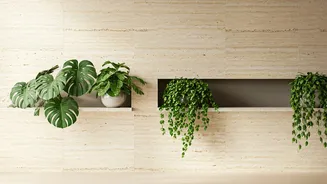
A flat arrangement is a boring one. The secret to a lush, dynamic plant corner is to vary the heights. Once you have your tall anchor plant, start building layers around it. Use plant stands of different heights to elevate smaller plants. Place a trailing plant, like a Pothos or Philodendron, on a small stool or shelf and let its vines cascade downward. This creates movement and depth. You can also use hanging planters to occupy the upper airspace, drawing the eye up and making the corner feel even more immersive. The goal is to create a small “hill” of foliage, with peaks and valleys that guide the eye through the arrangement rather than letting it settle on one spot. This layering technique is what transforms a few individual plants into a cohesive, jungle-like vignette.
Mix Up Textures and Shapes
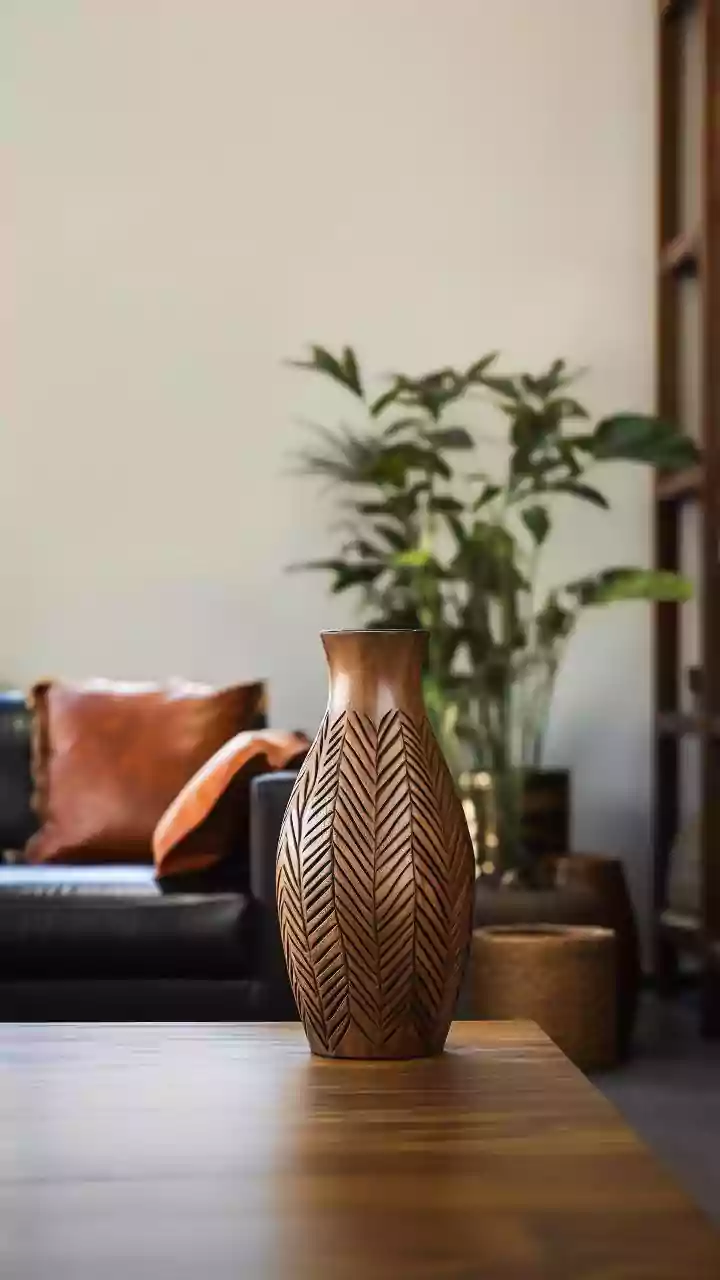
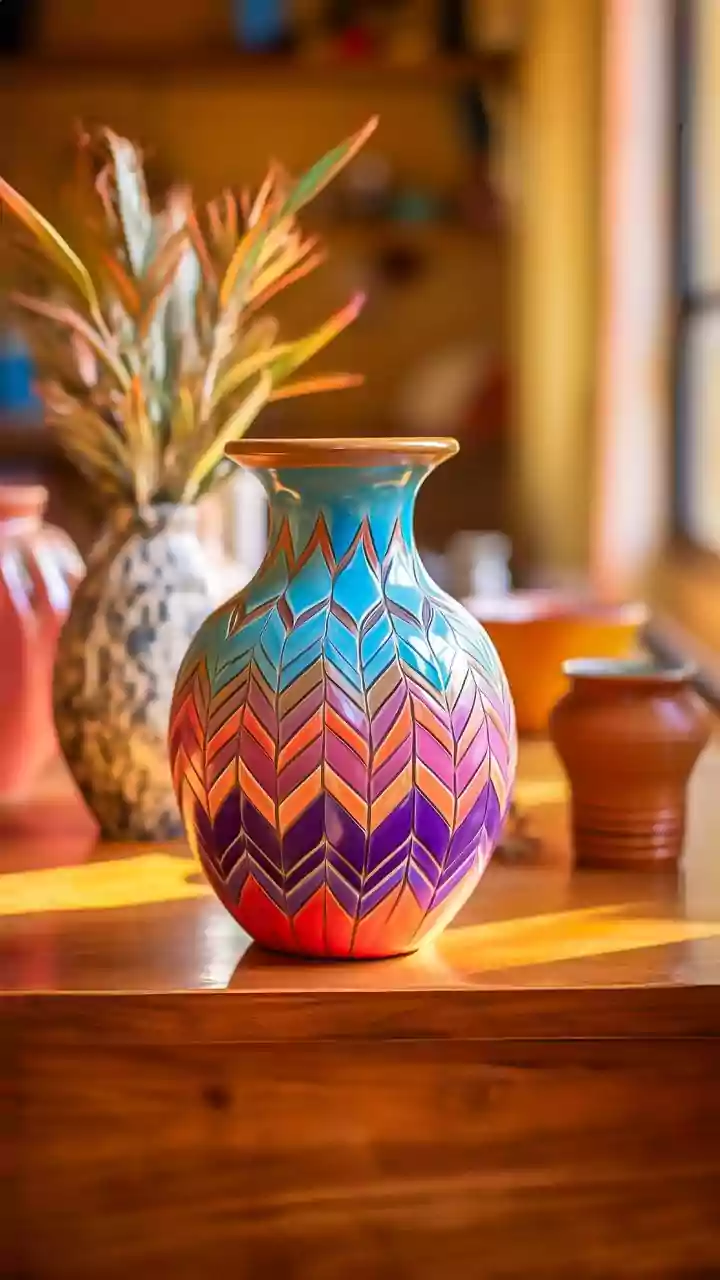
Softness isn't just about curvy lines; it's also about texture. A successful plant corner incorporates a variety of leaf shapes, sizes, and textures. Pair the broad, smooth leaves of a Bird of Paradise with the delicate, feathery fronds of a Maidenhair Fern. Contrast the spiky, architectural form of an Aloe with the soft, velvety leaves of an African Violet. This principle extends to your choice of pots and planters. Don’t be afraid to mix materials. A rustic terracotta pot adds warmth and earthiness, a sleek ceramic planter provides a touch of modern polish, and a woven basket brings in a natural, bohemian feel. The interplay between these different materials and the varied plant foliage adds a rich, tactile quality that makes the entire corner feel more considered and inviting.
Make It a Functional Nook
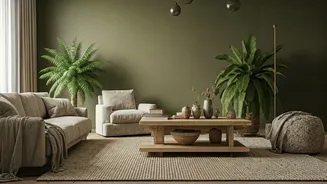
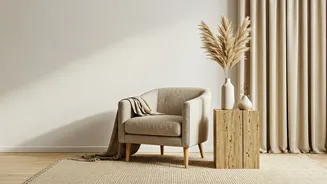
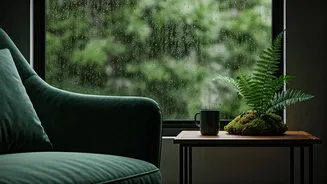
The most successful plant corners are more than just decorative; they're functional. You’ve created a beautiful, calming space—so use it! If space allows, tuck a comfortable armchair or a floor cushion into your new green oasis. Add a small side table for a cup of tea or a book. Position a stylish floor lamp to provide warm, ambient light in the evening, which will also highlight the shapes of the leaves. By making the corner a destination, you complete its transformation from a forgotten zone into a purposeful sanctuary. It becomes your reading nook, your morning coffee spot, or simply a place to sit and decompress. This final step anchors the design in real life, ensuring your soft corner becomes a beloved and well-used part of your home.