

Understanding the Unique Challenge
Nirjala Ekadashi, which translates to “waterless eleventh day,” is a significant 24-hour fast observed by many Hindus to honor Lord Vishnu. Unlike other fasts, it involves forgoing both food and water, typically from sunrise on Ekadashi to sunrise the next
day. This complete abstinence places a unique physiological stress on the body. While the spiritual benefits are the primary focus for devotees, the physical demands cannot be ignored. The goal of smart planning isn't to diminish the spiritual discipline but to support it, ensuring that your body is prepared for the challenge so your mind can remain focused on prayer and reflection without being overwhelmed by physical distress.
The Day Before: Strategic Pre-Hydration
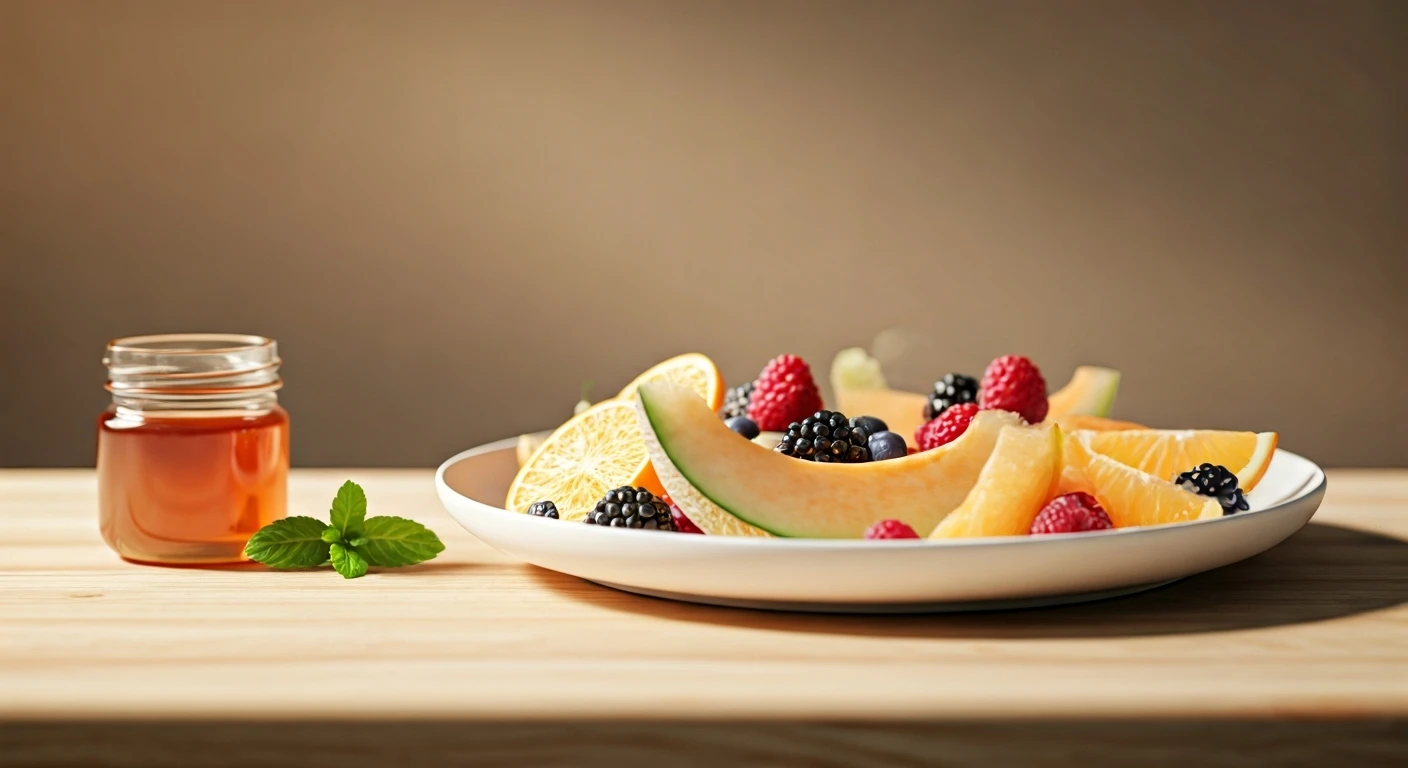
The key to a successful waterless fast is how you hydrate the day before. Don't wait until the evening to chug gallons of water, as this can flush out electrolytes and won't lead to effective cellular hydration. Instead, begin hydrating strategically as soon as you wake up the day before the fast. Sip water consistently throughout the day. Incorporate water-rich foods into your meals, such as cucumber, watermelon, oranges, and celery. These foods provide hydration along with essential vitamins and minerals. It's equally important to know what to avoid: caffeine, alcohol, and excessive sugar are diuretics that can lead to fluid loss, undermining your preparation efforts. Think of it as methodically filling your body's reserves, not just flooding the system.
The Day Before: Fueling with Smart Nutrition
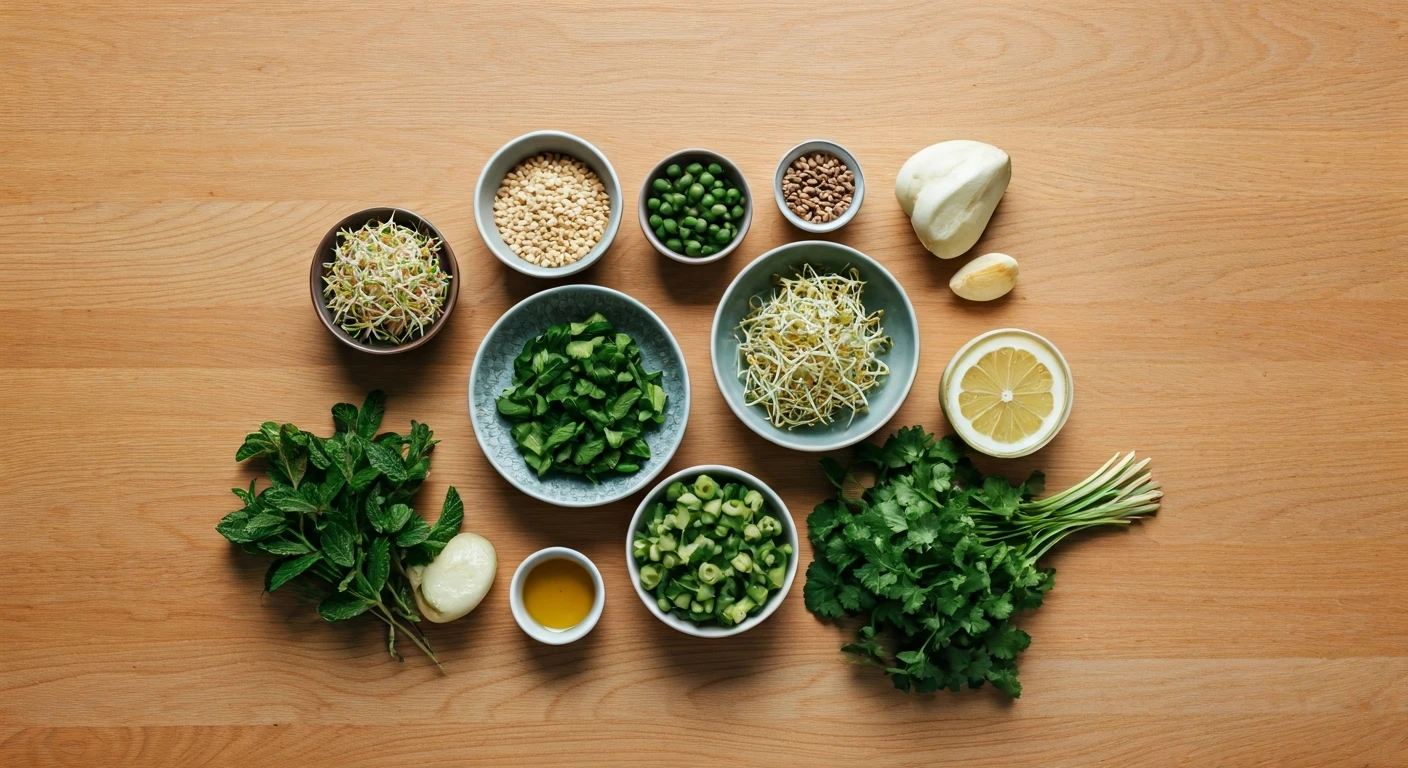
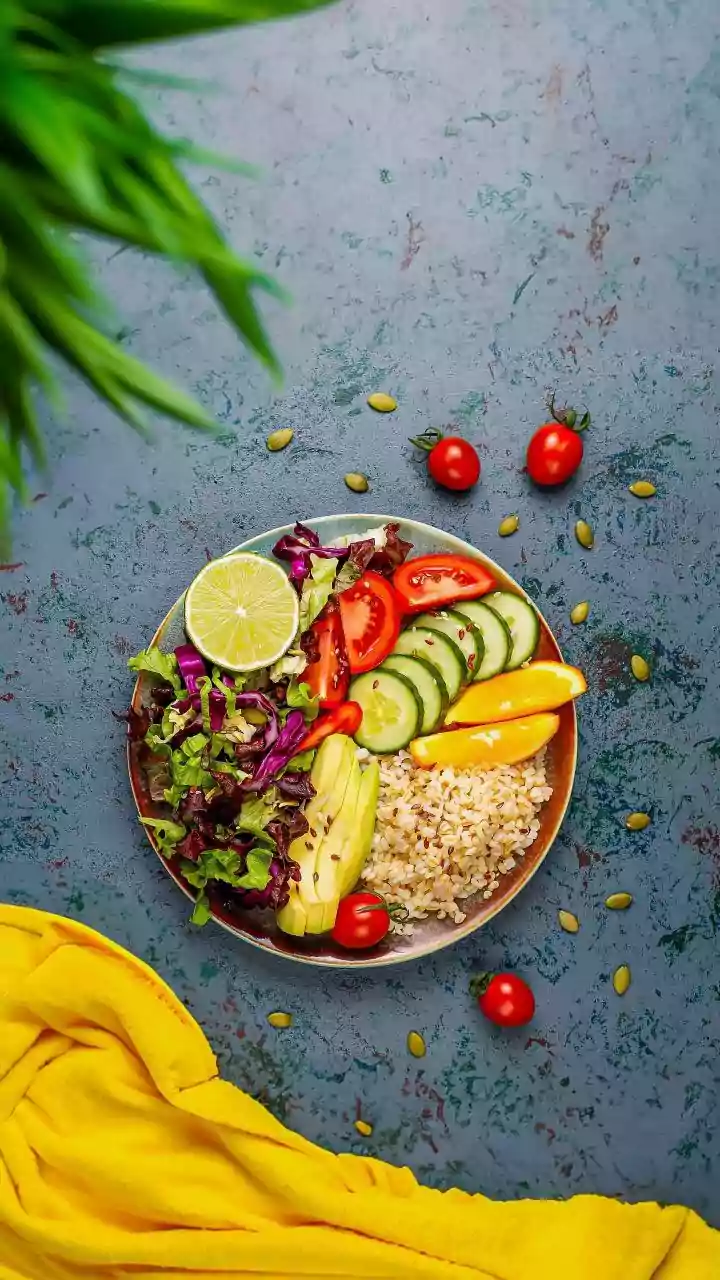
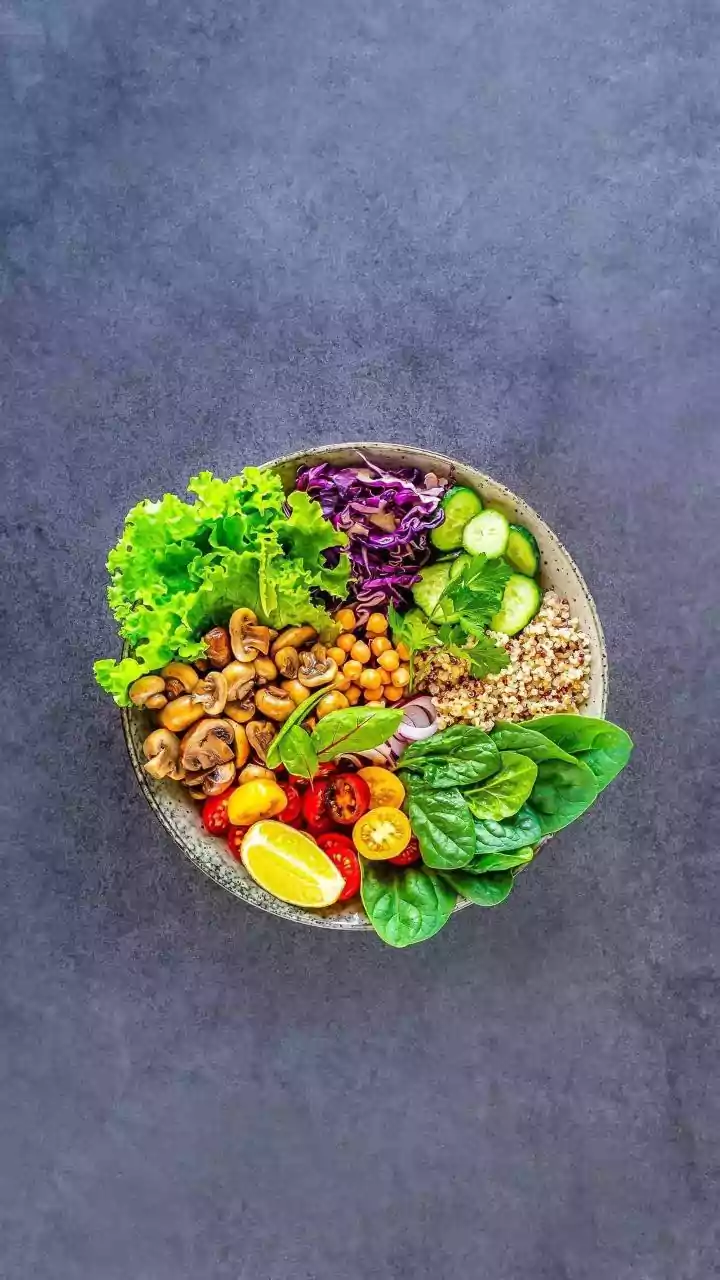
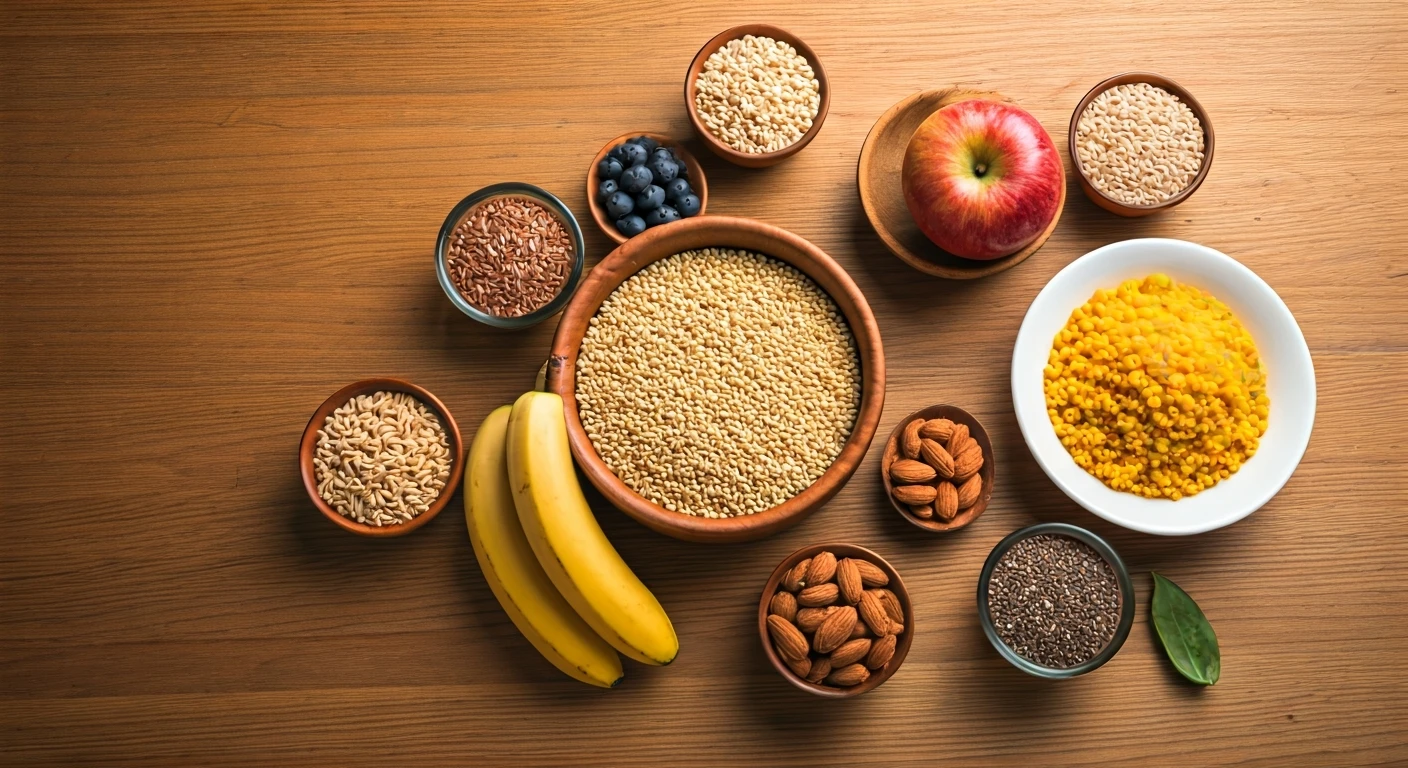
What you eat on the day before the fast is just as critical as what you drink. Your final meal before the fast begins, often called 'sargi' in some traditions, should be designed for slow-release energy and satiety. Focus on a balanced plate of complex carbohydrates (like whole-wheat roti or brown rice), healthy fats (avocado, nuts, ghee), and protein (lentils, paneer). These nutrients digest slowly, providing sustained energy and helping to manage hunger pangs the next day. Crucially, avoid overly salty, spicy, or fried foods. Salt is a primary driver of thirst, and consuming it in large quantities right before a waterless fast is setting yourself up for a very difficult experience. A mild, nourishing meal is your best strategy.
The Day After: Breaking the Fast Gently
How you break the fast is arguably as important as the preparation. Your digestive system and body have been in a resting state, and shocking them with a large, heavy meal or too much fluid at once can cause discomfort, bloating, or even nausea. The traditional practice of breaking the fast with a sip of water or 'charanamrit' is physiologically sound. Start with a small glass of water, coconut water, or a diluted fruit juice. Wait for 15-20 minutes to allow your body to adjust. Then, introduce a light, easily digestible food, like a piece of fruit (a banana is excellent for replenishing potassium), a small bowl of yogurt, or a light khichdi. Avoid heavy, greasy, or spicy foods for the first few hours after breaking the fast to give your body a chance to gently reawaken.
Listening to Your Body: Safety First
While Nirjala Ekadashi is a powerful act of faith, it is essential to listen to your body. Devotion should not come at the cost of your health. If you feel extreme dizziness, a severe headache, confusion, or a dangerously rapid heartbeat, these could be signs of severe dehydration requiring immediate attention. It’s important to know your limits. Individuals with pre-existing medical conditions—such as diabetes, kidney issues, or heart problems—as well as pregnant or breastfeeding women, should consult a doctor before attempting such a rigorous fast. Your physician may recommend a modified fast (with water or fruits) that allows you to observe the day spiritually without endangering your health. True discipline also involves the wisdom to know when to protect the vessel that carries your spirit.