






The Budget Battleground
Before you’ve even debated museum versus beach, you have to talk about money. And nothing reveals a couple’s hidden fault lines quite like a budget conversation. One partner might see a vacation as a rare chance to splurge on a five-star hotel, while
the other is a die-hard budget airline enthusiast who gets a thrill from finding the cheapest possible Airbnb. This isn't just about dollars and cents; it’s about values. Does your partner value comfort over experience, or security over spontaneity? A travel budget discussion is a microcosm of future financial decisions. Are you a team working toward a shared goal, or are you two separate economic entities with conflicting priorities? How you navigate this conversation—with transparency and respect or with tension and resentment—says more about your long-term compatibility than a hundred fancy dates.
The Planner vs. The Procrastinator
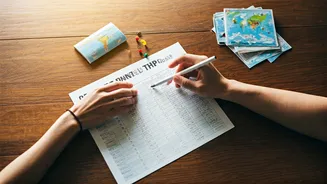
Every couple has one of each, or some variation on the theme. There’s the person with a color-coded spreadsheet, a dozen browser tabs open for flight comparisons, and restaurant reservations made three months in advance. Then there’s the partner whose entire plan is to “just show up and see what happens.” On the surface, it seems like a simple difference in personality. But in the trenches of travel planning, it becomes a referendum on effort, control, and trust. The planner can feel burdened and unappreciated, wondering why they have to manage everything. The procrastinator can feel micromanaged and stifled, as if there’s no room for adventure. Finding a middle ground—where one person’s organizational skills are appreciated but don’t suffocate the other’s desire for spontaneity—is a masterclass in collaboration. It requires letting go of control, stepping up when needed, and trusting that your different approaches can complement each other rather than clash.
The Great Activity Debate
The itinerary itself is the next major hurdle. You have seven days in a new city. One of you has a list of historical landmarks to visit, a walking tour booked, and a deep desire to absorb the local culture. The other pictures seven days of sleeping in, long lunches, and lounging by a pool with a book. This isn’t just a scheduling conflict; it’s a conflict of energy and desire. What does “vacation” mean to each of you? Is it for enrichment or for recharging? This is where the art of compromise is truly tested. It’s easy to say you’ll split the time, but the real challenge is doing so without scorekeeping. True success isn’t just grudgingly accompanying your partner to a modern art museum you have no interest in. It’s finding genuine joy in their happiness and discovering you can have a good time doing something you wouldn't have chosen for yourself. It’s the ultimate test of selflessness and shared experience.
The Inevitable Crisis
No plan is perfect. A flight will be delayed. The rental car company will have lost your reservation. It will rain during your planned beach day. This is the final boss of the travel-planning test: how do you handle things when they go wrong? A travel hiccup is a low-stakes emergency that reveals your true partnership dynamics under pressure. Does one person immediately start blaming the other (“I told you we should have booked the earlier flight!”)? Does one shut down while the other panics? Or do you look at each other, take a deep breath, and say, “Okay, what’s Plan B?” A partner who can laugh in the face of a canceled train, who sees a problem as something “we” will solve together, is a partner you want by your side for life’s much bigger, more serious challenges. The problem itself is temporary; the way you treated each other while solving it is what you’ll remember.