






A Crisis You Can Taste
Imagine waking up to a thick, acrid haze that blots out the sun, irritates your throat, and leaves a layer of fine dust on every surface. This is the seasonal reality for residents of New Delhi and dozens of other cities across India’s Indo-Gangetic Plain.
During the winter months, a toxic cocktail of agricultural stubble burning, industrial emissions, and vehicle exhaust becomes trapped by cold air, sending pollution levels soaring to 20 or even 30 times the World Health Organization’s recommended safe limit. This isn’t just an inconvenience; it's a public health emergency. The fine particulate matter known as PM2.5 can penetrate deep into the lungs and enter the bloodstream, leading to respiratory illnesses, cardiovascular disease, and developmental issues in children. For years, the conversation was dominated by government policy and large-scale industrial solutions. But as the crisis persisted, a powerful new front opened up: the Indian home.
The Rise of the Purifier
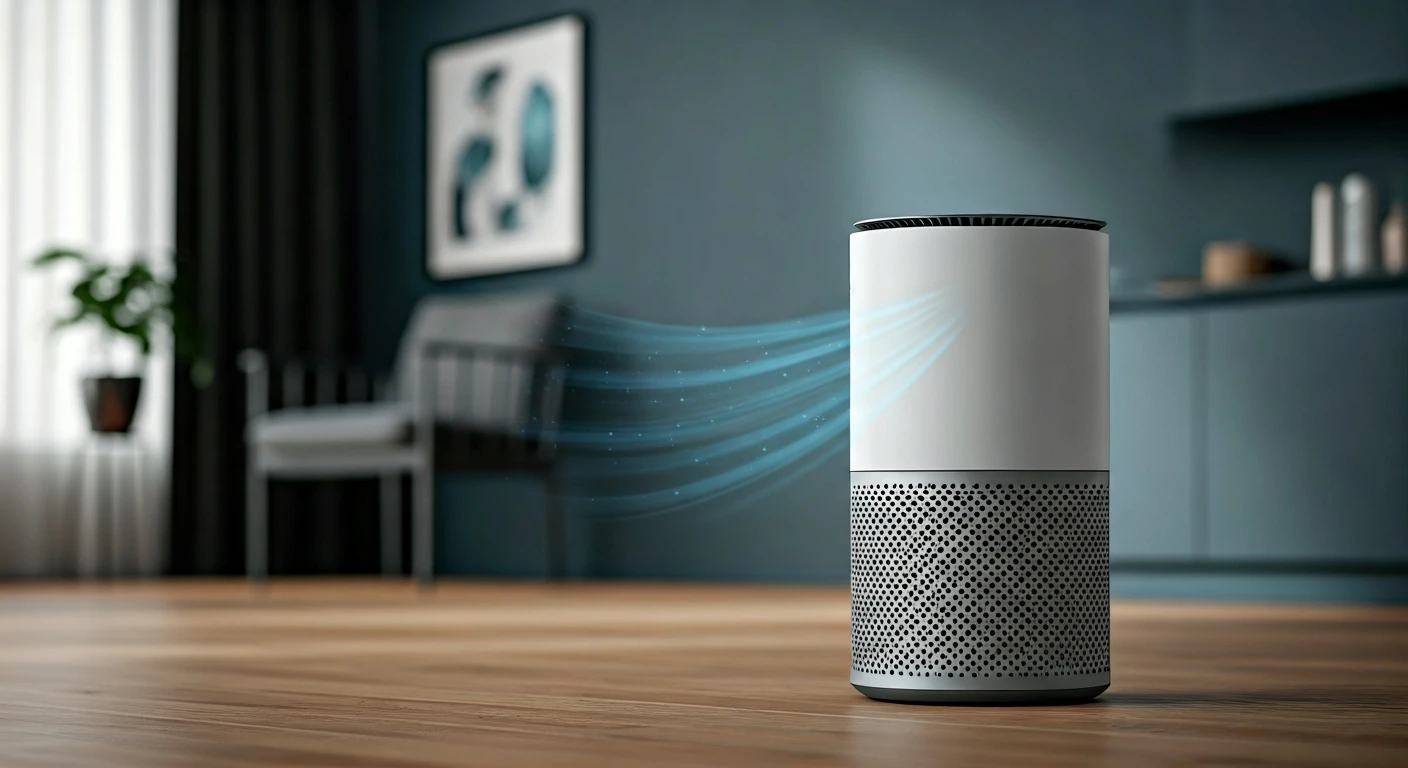
In the face of an inescapable outdoor threat, India’s burgeoning middle and upper classes have decided to create personal safe zones. The air purifier has rapidly transformed from a niche luxury item into an essential household appliance, sitting alongside the refrigerator and air conditioner. Companies like Dyson, Philips, and Blueair, as well as homegrown Indian brands like Coway and Xiaomi, have seen sales explode. This isn't just a trend in the megacities of Delhi and Mumbai. It’s a nationwide phenomenon driven by a new awareness of wellness and a deep-seated parental anxiety. Online forums and neighborhood WhatsApp groups are filled with parents trading notes on the best air quality monitors and purifier models for a child's bedroom. The purifier has become a symbol of modern, responsible parenting—a tangible way to protect one's family when the air outside is a gamble.
A Booming Market for a Basic Need
The demand has created a vibrant and competitive market. Air purifier technology is advancing quickly, with smart features that allow users to monitor air quality in real-time from their phones and automatically adjust fan speeds. Models now come in all shapes and sizes, from large units designed for living rooms to small, portable purifiers for a desk or car. This consumer boom reflects a powerful economic and cultural shift. It’s a story of a market responding directly to a quality-of-life deficit. For many, purchasing an air purifier is an act of empowerment. It’s a way to exert some control over an environment that often feels uncontrollable. This individualistic solution, however, highlights a more complex and troubling question about the future of clean air. Is it becoming a commodity, available only to those who can afford to buy it?
An Unequal Breath of Air
The headline's promise of "Better Air For Everyone" remains an aspiration, not a reality. While the middle class seals its windows and switches on the HEPA filters, the vast majority of India's population cannot afford this private solution. Construction workers, street vendors, and residents of low-income neighborhoods continue to breathe the toxic outdoor air 24/7. These communities often live closest to the sources of pollution, such as industrial sites and landfills, compounding the inequality. This creates a stark divide: a world where the affluent breathe filtered air indoors while the poor bear the full brunt of the environmental crisis. Activists and public health experts argue that while individual actions are understandable, they can’t replace the need for systemic change. Relying on purifiers distracts from the root causes and delays the implementation of tough policies on emissions and crop burning that would benefit everyone, regardless of their income.