





From Trash to Treasure
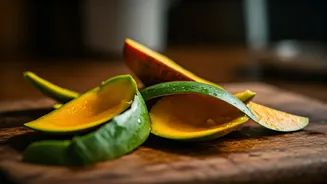
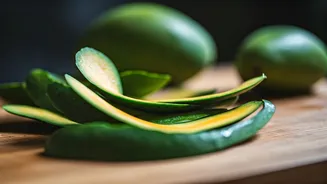
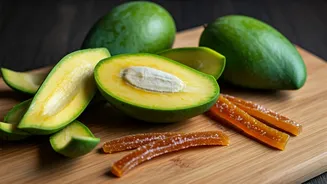
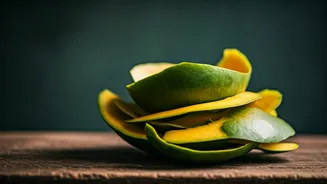
On TikTok and Instagram, a surprising culinary movement is taking root. Where most of us see compost, a growing number of food-savvy creators see a key ingredient. They’re showcasing raw mango peels, finely sliced into salads, blended into green smoothies,
or blitzed into tangy marinades. This isn't just about reducing waste; it's a full-fledged 'rebrand,' challenging a long-held convention in South Asian (Desi) and global cuisine. For generations, the mango peel was considered tough, bitter, and frankly, inedible. It was the protective, disposable wrapper for the prized fruit within. Now, it’s being framed as the star of the show—a zero-waste hero packed with unexpected flavor and nutrients.
The Sustainability Angle
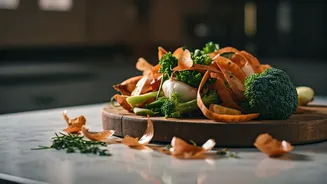
This trend didn't appear in a vacuum. It sits at the intersection of two powerful modern movements: sustainability and a renewed interest in ancestral foodways. The 'root-to-stem' or 'nose-to-tail' philosophy, which encourages using every part of a plant or animal, has been a darling of high-end restaurants for years. Now, it's making its way into home kitchens, powered by a desire to reduce food waste and live more consciously. For many in the South Asian diaspora, this 'new' idea feels vaguely familiar. While eating raw peels might be novel, using every part of a vegetable is a core tenet of traditional Desi cooking, born from generations of resourcefulness. This rebrand taps into that cultural memory, presenting it in a fresh, modern, and highly shareable way.
A Nutritional Powerhouse?
So, is there any substance behind the hype? Nutritionally, yes. Mango peels are incredibly rich in fiber, which aids digestion and promotes a healthy gut. They are also loaded with antioxidants like polyphenols and carotenoids—the same compounds that give fruits and vegetables their vibrant colors and disease-fighting properties. Studies have suggested that mango peel extract contains higher concentrations of certain vitamins, including Vitamin C and Vitamin A, than the flesh itself. The peel contains mangiferin, a potent antioxidant that has been researched for its anti-inflammatory and even anti-cancer properties. In essence, by throwing away the peel, we’ve been throwing away a significant portion of the fruit's nutritional bounty.
The Catch: Taste, Texture, and Safety
Before you start chomping on the next mango peel you see, there are crucial caveats. First, not all mangoes are created equal. The peels of smaller, thinner-skinned varieties like the Ataulfo or Honey mango are far more palatable than the thick, fibrous skins of a Tommy Atkins. Second, the taste can be an acquired one—it's often slightly bitter and astringent, a stark contrast to the sweet flesh. The real concern, however, is twofold. Non-organic mangoes are often treated with pesticides that concentrate on the skin, so thorough washing is non-negotiable, and choosing organic is highly recommended. More importantly, mangoes belong to the same plant family as poison ivy and poison oak. Their skin, stems, and leaves contain urushiol, the oily compound responsible for the infamous itchy rash. While the amount in fruit skin is much lower, people with a sensitivity to poison ivy or with other severe allergies could have a reaction, ranging from contact dermatitis to more serious internal discomfort. This is the single biggest reason the practice isn't more widespread.
How to Try the Trend Safely
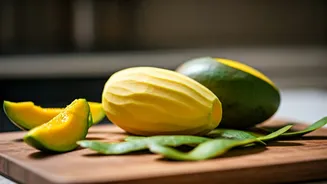
If you’re curious and have no known allergies, the key is to start small. Begin with a thin-skinned, organic mango. Wash it thoroughly with a vegetable scrub. Instead of eating it whole, use a peeler to shave off thin strips and toss them into a spicy salad, where the bitterness can be balanced by other flavors like lime, chili, and salt. Another popular method is to blend a small amount of the peel into a smoothie with other strong-flavored ingredients like ginger, spinach, and pineapple. This helps mask the bitterness and break down the fibrous texture, making the nutrients more accessible without overwhelming your palate. Think of it less as a snack and more as a potent, flavorful garnish or nutritional booster.