
First, What Is Poha?
Before it becomes a dish, poha is an ingredient. It’s rice that has been parboiled, pressed flat into papery flakes, and dried. Think of it as the rice equivalent of rolled oats. This ingenious process makes it incredibly convenient; instead of needing
20 minutes to boil, flattened rice rehydrates in minutes with just a quick soak or rinse. The result is a wonderfully light, fluffy, and tender base that’s naturally gluten-free and acts as a perfect canvas for other flavors. Sold in bags at any Indian grocery store, it comes in different thicknesses—thin flakes for mixing with yogurt or milk, and a thicker cut that’s robust enough to be stir-fried without turning to mush. This versatility is the key to its staying power and its recent reinvention.
The Heart of the Indian Breakfast Table
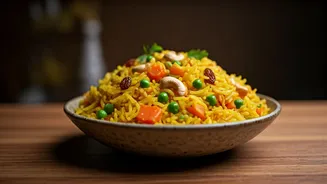
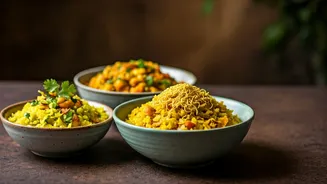
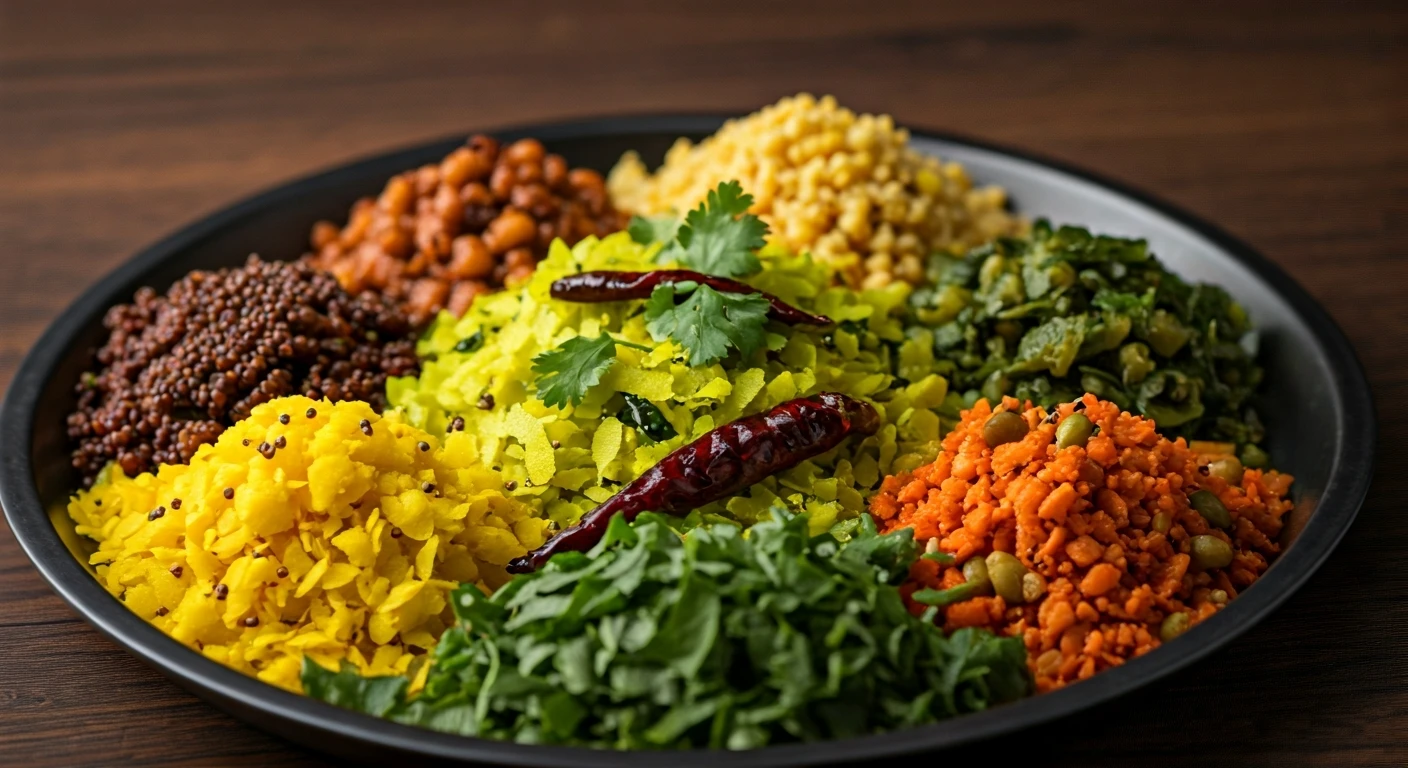
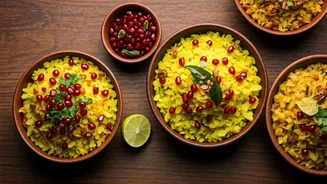
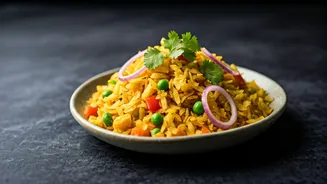
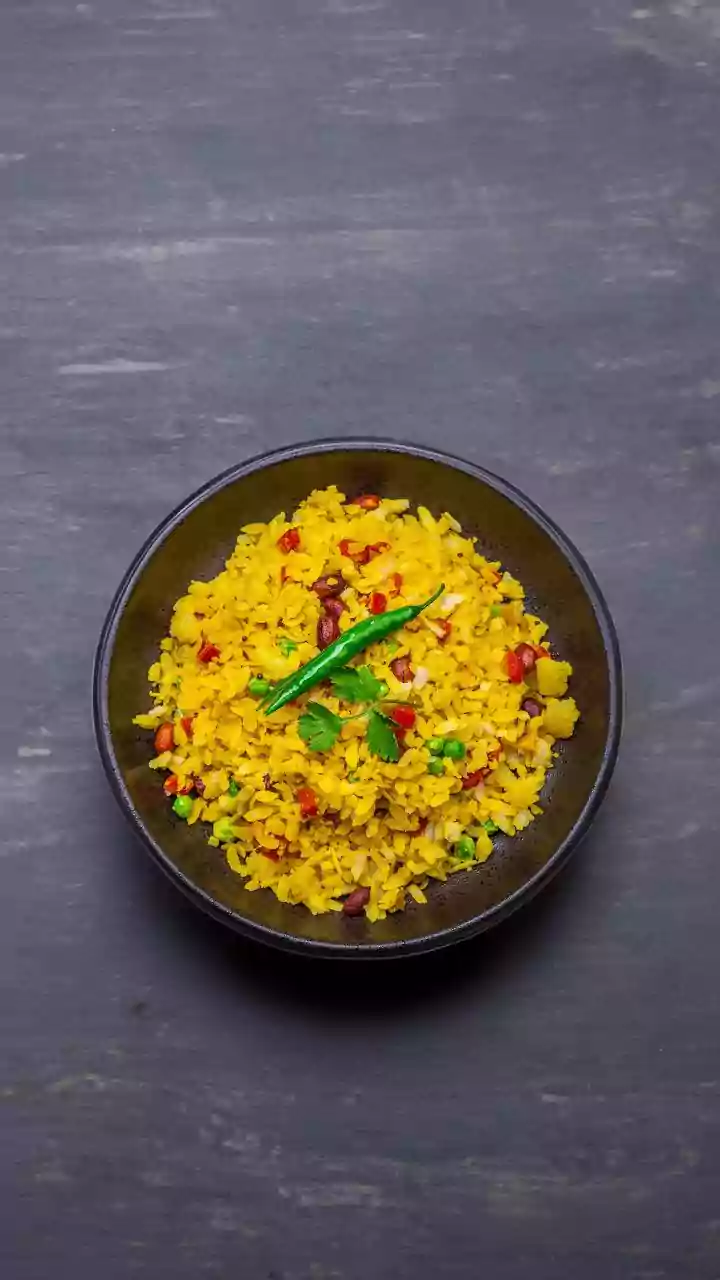
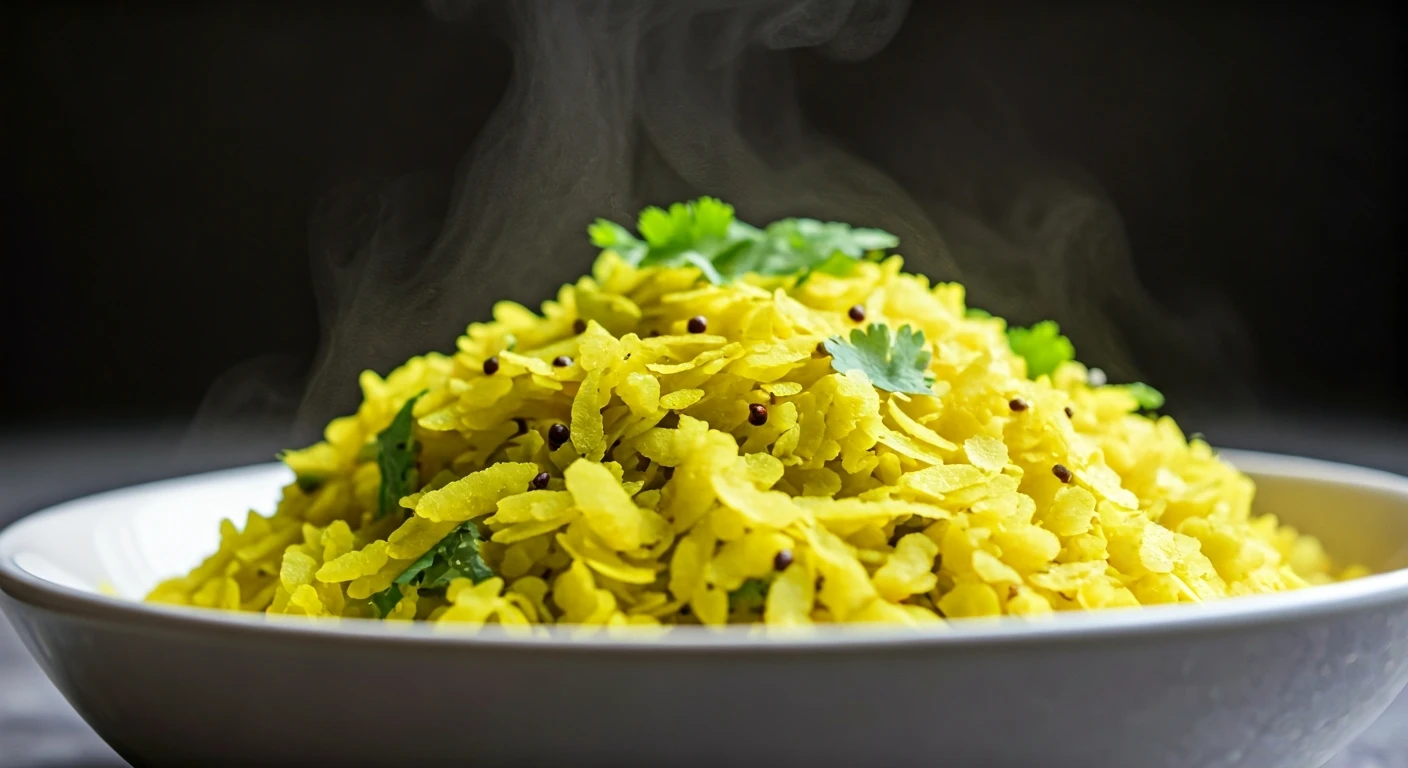
Across India, poha is a beloved morning ritual with a distinct regional personality. In the western state of Maharashtra, it's Kanda Batata Poha, tossed with turmeric, sautéed onions (kanda), potatoes (batata), and finished with crunchy peanuts, fresh cilantro, and a squeeze of lime. Travel east to Bengal, and it becomes Chirer Pulao, a sweeter and more fragrant version often made with fine, delicate flakes, coconut, raisins, and sometimes fried cashews. In Uttar Pradesh and Bihar, you’ll find Chooda Mutter, a savory winter specialty combining the flattened rice with sweet green peas (mutter), tempered with cumin seeds and green chilies. These dishes are the definition of home cooking: fast, frugal, nourishing, and deeply comforting. They are the baseline, the delicious tradition from which all modern interpretations spring.
From Humble Staple to Gourmet Star
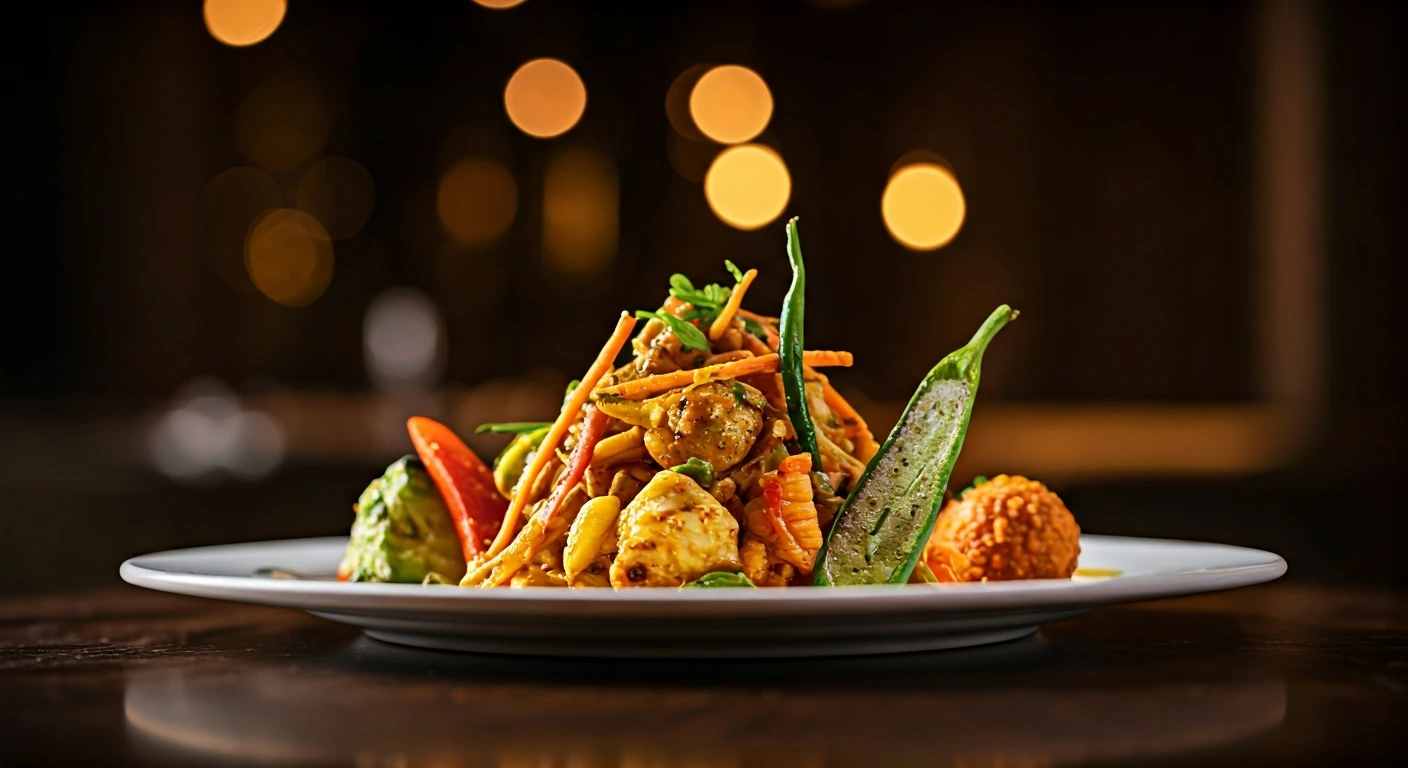
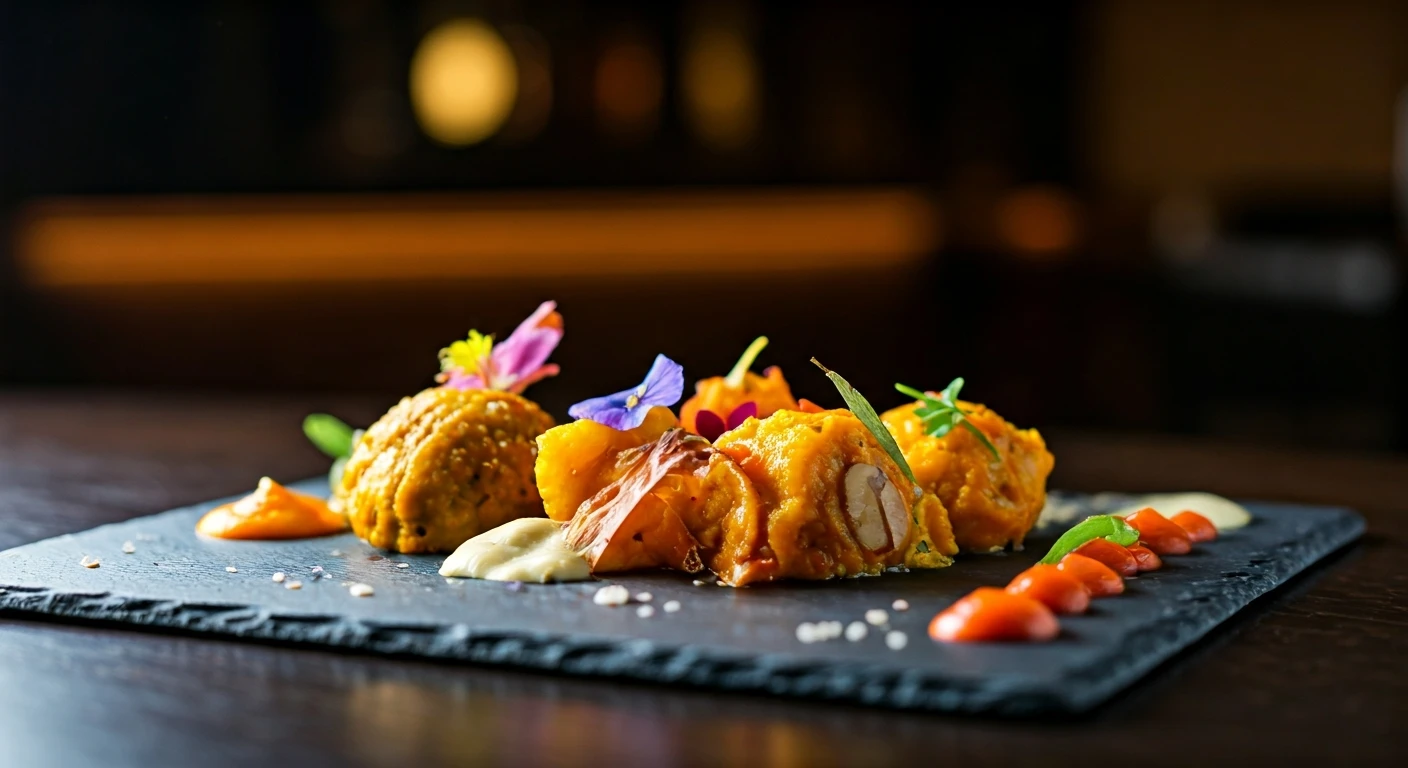
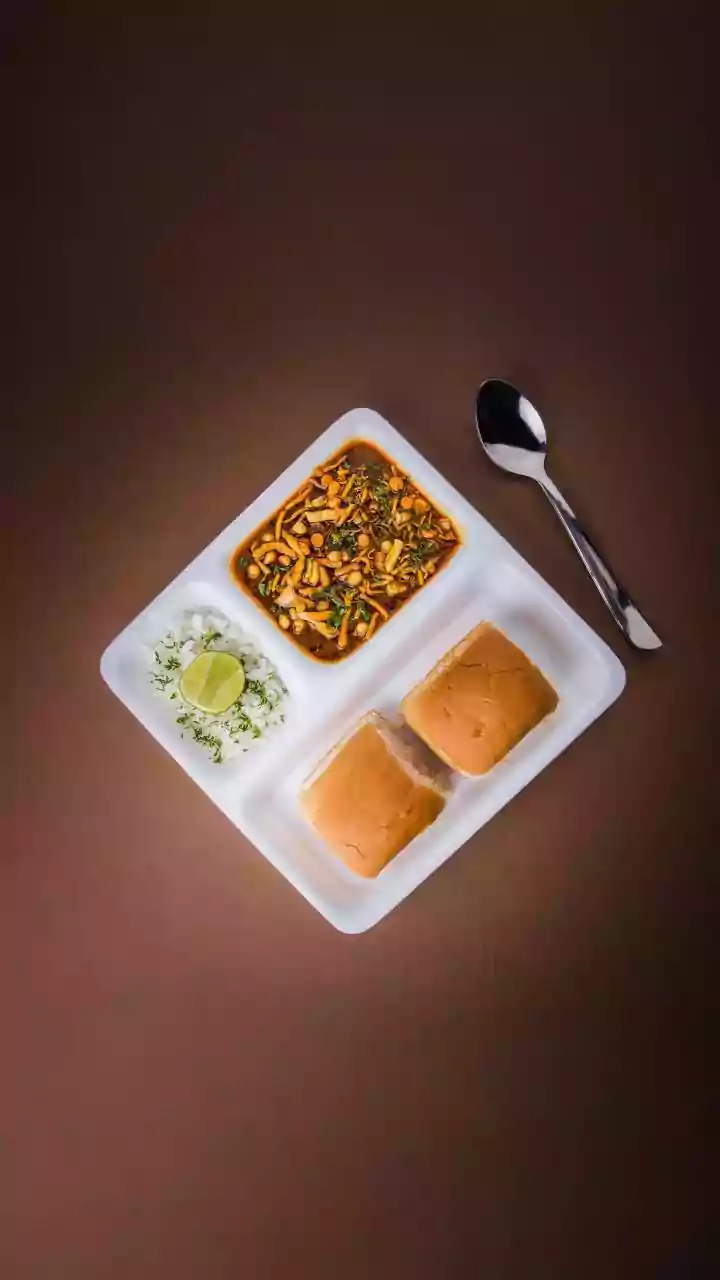
This is where poha’s story gets interesting for the modern American foodie. The simple breakfast is getting a serious glow-up. Innovative chefs and home cooks are taking the traditional canvas and painting it with global flavors. Brunch menus at hip, new-wave Indian restaurants might feature a classic poha topped not just with sev (crunchy chickpea noodles), but with a perfectly poached egg, its runny yolk creating a rich sauce. You might find a “poha bowl” layered with avocado, feta, and microgreens, looking more like a trendy grain bowl than a traditional breakfast. Some chefs are even using toasted poha flakes as a crunchy, gluten-free topping for salads, soups, or even desserts, adding texture much like granola or breadcrumbs. It's being deconstructed and reconstructed, proving its adaptability far beyond the breakfast plate.
Why the Poha Glow-Up Is Happening Now
Poha’s journey from humble to high-end is part of a larger, exciting trend in the U.S.: the embrace of regional Indian cuisine. For decades, Indian food in America was largely defined by a standardized menu of North Indian restaurant classics like chicken tikka masala and saag paneer. But as the Indian diaspora has grown and a new generation of chefs has come of age, the culinary conversation has shifted. There's a growing confidence and desire to showcase the incredible diversity of India’s regional home cooking. Poha is a perfect ambassador for this movement. It’s simple, authentic, and specific, yet universally appealing. It tells a story of place, but its neutral base invites creative fusion. In an era of gluten-free diets and interest in plant-based eating, poha checks all the right boxes, making it the right ingredient at the right time.