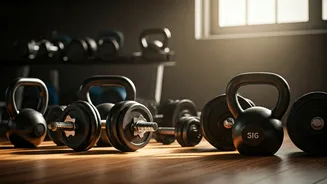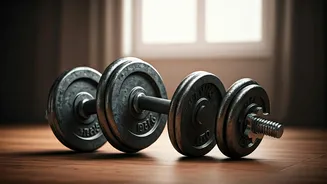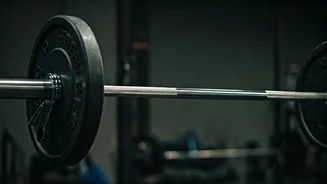






The End of the Cardio Era?
Remember the mantra? 'I'm doing cardio to burn fat.' For years, the prevailing wisdom was that shedding pounds required logging hours on the elliptical, treadmill, or stationary bike. Gyms were filled with rows of cardio machines, and success was often
measured in calories burned per session. This approach, centered on sustained, moderate-intensity aerobic exercise, became synonymous with 'getting in shape.' But a growing number of fitness experts and everyday people are realizing this is an incomplete picture. The 'endless cardio' model often leads to plateaus, boredom, and a narrow focus on weight loss at the expense of overall capability. The tide is turning away from simply burning calories and toward building the body's engine: muscle.
The Science-Backed Power of Strength
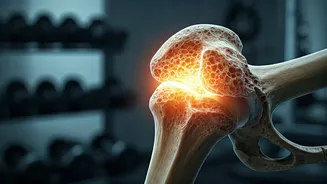
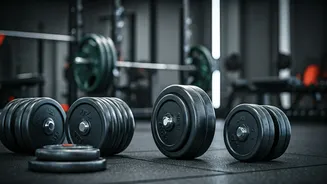
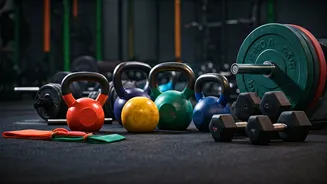
So why the pivot to pumping iron, pulling bands, and lifting heavy things? The benefits of resistance training go far beyond aesthetics. Building and maintaining muscle mass is one of the most effective things you can do for your long-term health. More muscle boosts your resting metabolic rate, meaning your body burns more calories even when you're sitting on the couch. This makes weight management more sustainable than simply trying to 'out-run' your diet. Furthermore, strength training is crucial for bone density, helping to stave off osteoporosis, particularly for women. It improves insulin sensitivity, reducing the risk of type 2 diabetes, and has profound effects on mental health, with studies showing it can be as effective as medication for managing symptoms of anxiety and depression.
Redefining 'Strength Goals'
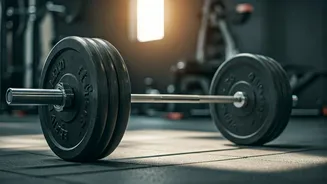
When you hear 'strength goals,' you might picture a bodybuilder maxing out a bench press. But the modern interpretation is far more personal and functional. For one person, a strength goal might be to finally achieve their first unassisted pull-up. For another, it could be deadlifting their own bodyweight. For a grandparent, it might be the ability to lift a grandchild without a twinge of back pain. This new focus is less about the mirror and more about performance and capability. The process, known as progressive overload—gradually increasing the weight, reps, or difficulty—provides tangible, measurable progress that feels deeply motivating. Hitting a new personal record in a lift offers a sense of accomplishment that watching a calorie counter tick down rarely can.
Training for Life, Not Just the Gym
This movement is also about longevity and 'healthspan'—the number of years we live in good health. As we age, we naturally lose muscle mass in a process called sarcopenia, which leads to frailty, falls, and a loss of independence. Strength training is the single most effective antidote. People are realizing that the ability to carry heavy groceries, hoist a suitcase into an overhead bin, or get up off the floor with ease are the true markers of fitness. This is functional fitness: training the body for the demands of real life. It’s why you see more people of all ages and genders in the weight room, focusing on compound movements like squats, deadlifts, and overhead presses that mimic everyday actions.
But Don't Ditch Your Running Shoes
Does this mean cardio is dead? Absolutely not. The shift isn't about replacement; it's about rebalancing priorities. Cardiovascular exercise remains essential for heart health, endurance, and mental stress relief. A truly well-rounded fitness plan includes both. The modern approach, however, often places strength training as the foundation and uses cardio as a tool. Instead of 45 minutes of jogging followed by a few half-hearted bicep curls, a workout might consist of 45 minutes of focused strength work, finished with 15 minutes of high-intensity interval training (HIIT) on a bike or a brisk walk for recovery. The 'endless' part is what's being replaced, not the cardio itself.