






The Trend Is 'Plant-Forward,' Not 'Plant-Only'
The food trend earning consistent praise from registered dietitians and nutrition scientists isn't a flash in the pan—it's the shift toward a 'plant-forward' eating pattern. Don't confuse this with strict veganism or vegetarianism. A plant-forward approach
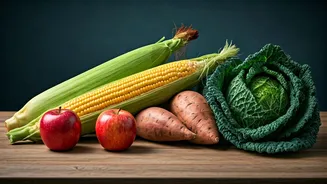
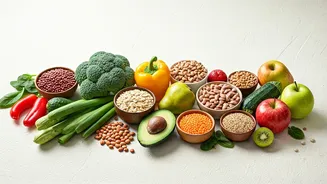
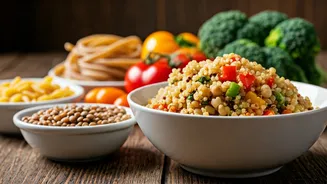
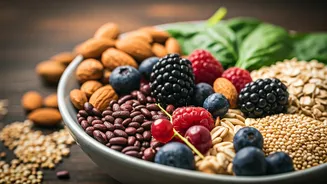
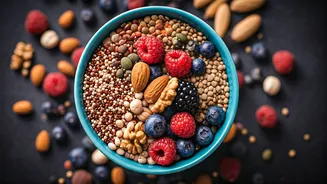
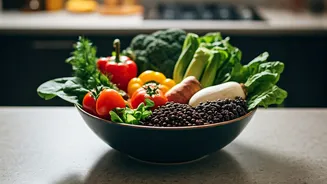
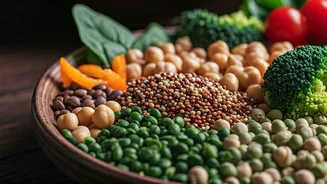
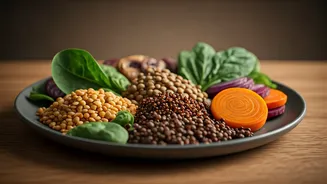
isn't about eliminating food groups; it’s about shifting proportions. The goal is to make whole plant foods—like fruits, vegetables, legumes, nuts, seeds, and whole grains—the star of your plate, with animal products playing a smaller, supporting role. Think of it as a mindset change: instead of building a meal around a piece of meat, you start with a base of vibrant plants and decide if and how animal products fit in. This flexibility is key to its success and sustainability.
Why Experts Are So Excited
Nutrition experts love the plant-forward model because it’s not a rigid set of rules but a framework for better health grounded in decades of research. Diets rich in plant foods are consistently linked to lower risks of chronic diseases, including heart disease, type 2 diabetes, and certain cancers. The reason is simple: plants are nutritional powerhouses. They are packed with fiber, which is crucial for gut health, blood sugar regulation, and maintaining a healthy weight. They also provide a wealth of vitamins, minerals, and phytonutrients—beneficial compounds that help reduce inflammation and protect your cells from damage. By emphasizing what you should *add* to your diet (more plants) rather than just what you should cut, it promotes a healthier relationship with food.
It's About Addition, Not Subtraction
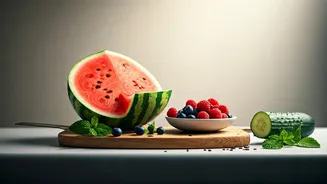
So many popular diets are defined by what they forbid. The psychological burden of restriction can lead to cycles of guilt, craving, and failure. The plant-forward philosophy flips the script. It’s an inclusive approach that invites you to explore the vast world of plant-based ingredients. Instead of feeling deprived because you're 'not allowed' to have something, you focus on the abundance of delicious foods you can enjoy. This positive framing makes healthy eating feel less like a chore and more like a creative, flavorful adventure. The focus on adding more nutrient-dense foods naturally helps to crowd out less-healthy, highly processed options without making them 'off-limits.'
Four Simple Ways to Get Started
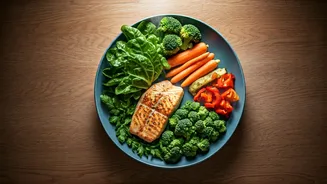
Adopting a plant-forward lifestyle doesn't require an overnight overhaul. Small, consistent changes are the most effective. Try one of these simple strategies: 1. Embrace 'Meatless Mondays': Dedicate one day a week to plant-based meals. It's an easy entry point to discover new recipes and ingredients. 2. Go 50/50: When making dishes like chili, tacos, or pasta sauce, try replacing half the ground meat with lentils, mushrooms, or beans. You’ll boost fiber and cut saturated fat without sacrificing texture or flavor. 3. Snack Smarter: Swap out processed snacks for a handful of almonds, an apple with peanut butter, or some baby carrots with hummus. These snacks provide sustained energy, unlike the quick spike and crash from sugary treats. 4. Re-think Your Plate's Proportions: Aim to fill half your plate with non-starchy vegetables at lunch and dinner. This visual cue automatically increases your plant intake and helps manage portion sizes of other foods.