







So, What Exactly is Sattu?
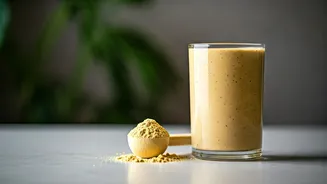
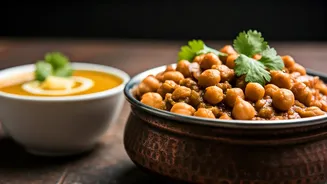
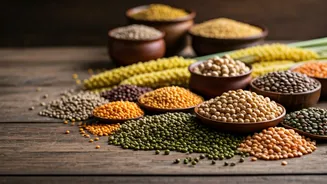
Before you can add it to your blender, let’s get acquainted. Sattu is a flour made from roasted grains and legumes, most commonly roasted Bengal gram (a type of chickpea). It’s a longtime staple in Indian states like Bihar, Jharkhand, and Uttar Pradesh,
where it’s revered as a 'poor man’s protein' for its affordability, long shelf life, and incredible nutritional density. Unlike other flours that are made from raw grains, sattu is made from roasted ones, meaning it can be mixed into water or other liquids and consumed directly without cooking. Traditionally, it's mixed with water, salt, and lemon juice for a savory, hydrating drink or rolled into dough balls for a quick, energy-sustaining meal for laborers and farmers. Now, wellness influencers and savvy home cooks are giving it a modern, smoothie-friendly makeover.
Sattu vs. Whey: The Showdown
Here's the big question: can a simple flour really replace a scientifically formulated protein powder? Let’s compare. **Protein Content:** A typical serving of whey protein isolate delivers around 25 grams of protein. A similar serving of sattu (about 30 grams, or three tablespoons) provides roughly 6-7 grams of protein. While whey wins on sheer protein density, sattu brings much more to the table. **Cost:** This is where sattu shines. A tub of quality whey protein can easily cost $40-$60, breaking down to over a dollar per serving. A two-pound bag of sattu, on the other hand, can often be found for under $10 at Indian grocery stores or online, making each serving cost mere cents. **Digestibility & Fiber:** Sattu is packed with insoluble fiber, which is fantastic for gut health, promoting regularity and feeding good gut bacteria. Whey protein contains virtually no fiber and can cause digestive issues like bloating and gas for many people, especially those with lactose intolerance. Sattu’s natural, plant-based composition is often much gentler on the stomach. **Nutrient Profile:** Whey is primarily a protein supplement. Sattu is a whole food. In addition to protein and fiber, it’s rich in micronutrients like iron, manganese, and magnesium, which are crucial for energy production and muscle function.
The Amino Acid Question
Advocates for whey protein often point to its status as a “complete protein,” meaning it contains all nine essential amino acids your body can't produce on its own. Most single plant sources, including the gram flour in sattu, are “incomplete.” However, this is less of a concern than it’s made out to be. The concept of needing complete proteins at every single meal is outdated. As long as you eat a varied diet over the course of a day, your body can piece together the amino acids it needs. Pairing sattu with milk, yogurt, or even seeds in your smoothie can easily round out its amino acid profile, making this a non-issue for most people not engaged in elite-level bodybuilding.
How to Make the Viral Sattu Smoothie
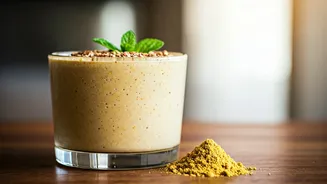
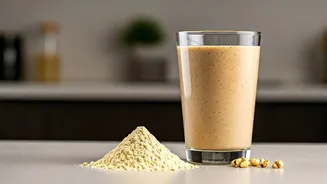
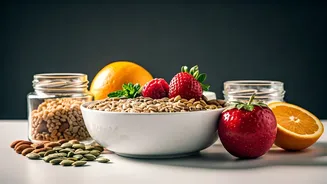
Ready to try it? This recipe is less of a strict formula and more of a flexible template. It’s simple, refreshing, and incredibly satisfying. **The Basic Build:** * **3 tablespoons Sattu Flour** * **1 cup Milk** (dairy, almond, oat, or soy all work well) * **1-2 soft, pitted Dates** or **1 tablespoon Maple Syrup/Honey** for sweetness * **A pinch of Cardamom or Cinnamon** for flavor **Popular Add-ins for a Boost:** * **For Creaminess:** Half a frozen banana or 1/4 cup of plain yogurt. * **For Healthy Fats:** A tablespoon of almond butter or a handful of soaked cashews. * **For Extra Nutrients:** A tablespoon of chia seeds or flax seeds. **Instructions:** Simply combine all ingredients in a blender and blend until smooth and creamy. If it’s too thick, add a splash more milk or water. If it’s too thin, add another spoonful of sattu. Adjust sweetness to your liking. The result is a nutty, earthy, and surprisingly delicious smoothie that keeps you full for hours.