
The Old Panic-and-Shred Cycle
For years, the fitness industry’s spring season was defined by a singular, often toxic, goal: the “beach body.” It was a culture built on last-minute transformation, fueled by magazine covers promising “6-pack abs in 6 weeks” and gym promotions targeting
our collective insecurity. This mindset treated fitness not as a component of a healthy life, but as a temporary, high-intensity project with a deadline. The gym in May felt less like a community space and more like a frantic workshop, filled with people pursuing punishing cardio routines and restrictive diets. The goal wasn't to feel good; it was to look a certain way for a three-month window, often at the expense of mental and physical well-being. Success was measured in pounds lost or inches shed, and failure felt like a moral failing, to be hidden under a T-shirt at the pool party.
From Aesthetics to Longevity
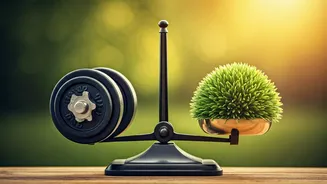
The new “sense” emerging in its place is a pivot from pure aesthetics to long-term well-being and capability. Instead of asking, “How can I look good in a swimsuit by July?” a growing number of people are asking, “How can I feel strong and energetic all year?” This shift is reflected in the language taking over the fitness world. Trainers and influencers are talking less about “shredding” and more about “longevity.” The new status symbols aren't just visible abs, but the ability to deadlift your body weight, achieve a new level of mobility, or simply have the energy to play with your kids without getting winded. This approach frames fitness as a practice, not a punishment. It prioritizes consistency over intensity, celebrating small, sustainable habits that build a foundation for a healthier life decades from now, not just for the next beach vacation.
What's Driving the Change?
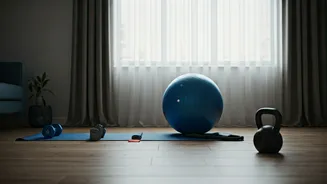
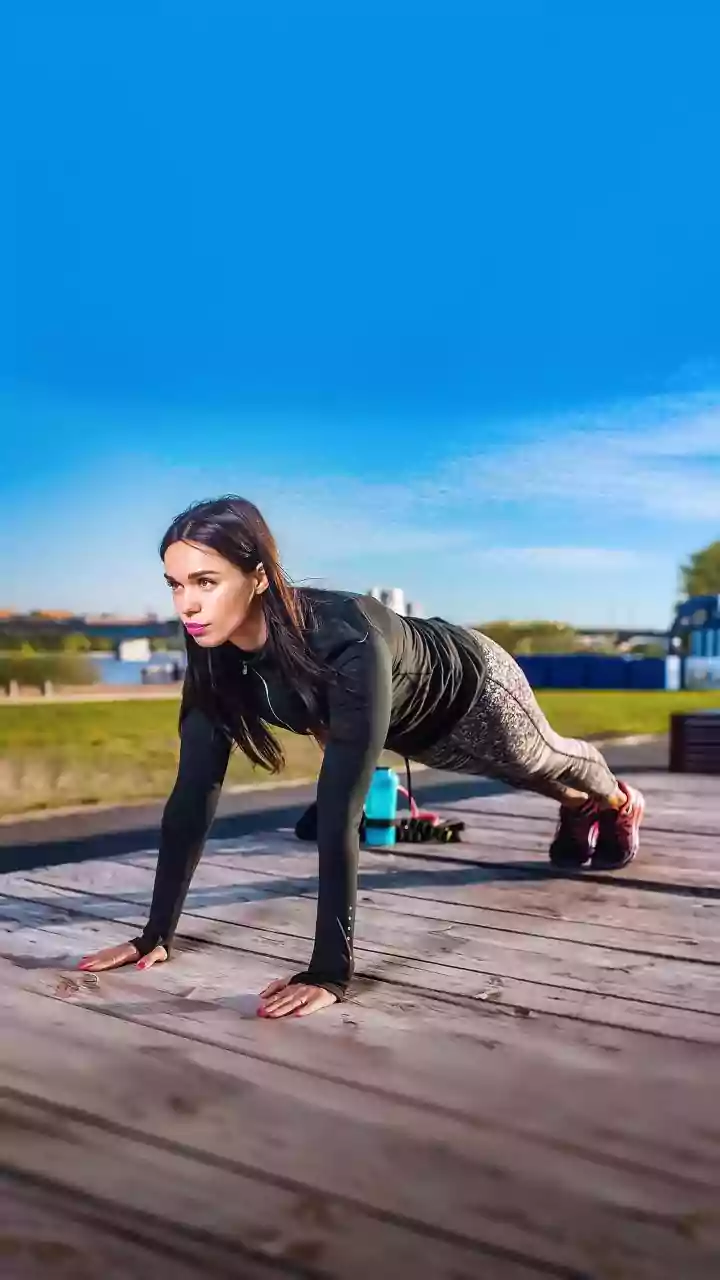
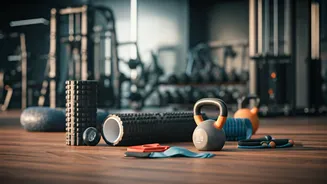
Several cultural currents are converging to create this shift. The body positivity and body neutrality movements have gained significant traction, encouraging people to decouple their self-worth from their appearance. This has created space for a more compassionate approach to fitness, where exercise is a form of self-care, not self-flagellation. Furthermore, the pandemic forced a massive re-evaluation of health. For many, being stuck at home reframed exercise as a vital tool for mental health and stress relief. The closure of gyms led to a boom in at-home workouts and outdoor activities, proving that fitness doesn't have to be tied to a specific, high-pressure environment. People discovered they could build strength with kettlebells in their living room or find peace on a long walk, freeing them from the singular model of the commercial gym.
The Social Media Course Correction
Social media, once the primary engine of comparison and unrealistic #fitspo, is also playing a role in the correction. While the perfectly curated, impossibly lean influencers still exist, their dominance is being challenged by a new wave of creators. These trainers, doctors, and physical therapists focus on evidence-based information, functional movement, and celebrating what bodies can *do* rather than just how they look. Feeds that were once filled with before-and-after photos are now increasingly showing videos of someone hitting a personal record on a lift, mastering a new yoga pose, or simply enjoying moving their body. This new content normalizes different body types, celebrates strength in all its forms, and provides a powerful counter-narrative to the idea that there's only one way to be “fit.”