




Citrus Peels: Go Beyond Zest
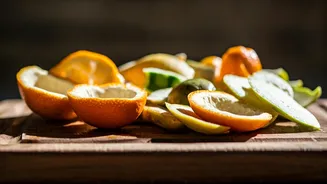
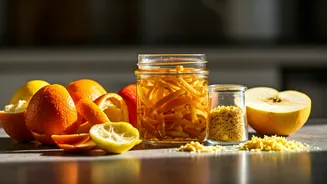
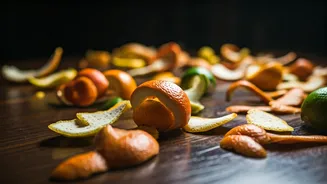
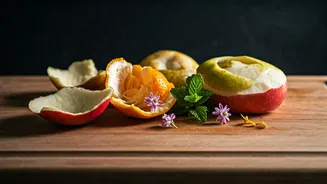
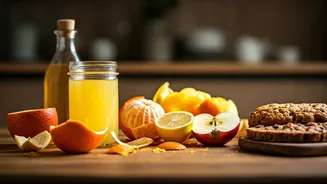
Orange, lemon, and grapefruit peels are aromatic powerhouses that too often end up in the trash. The most obvious use is zesting, which adds bright flavor to baked goods, marinades, and sauces. But don't stop there. For a truly transformative trick, make
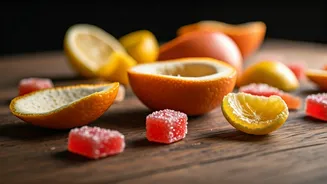
an oleo-saccharum (“oily sugar”). Simply cover a bowl of citrus peels with granulated sugar and let it sit for a few hours. The sugar will draw out the essential oils, creating a intensely fragrant syrup perfect for cocktails, lemonades, or drizzling over yogurt. You can also candy the peels by simmering them in a simple syrup, or drop them into a bottle of white vinegar to create an all-purpose, citrus-scented cleaner in a few weeks.
Potato Skins: The Ultimate Salty Snack
If you only associate potato skins with a cheesy appetizer at a chain restaurant, you’re missing out on the simplest, most satisfying snack. The next time you peel potatoes for mashing, save the skins. Toss them with a little olive oil, salt, pepper, and maybe some smoked paprika or garlic powder. Spread them in a single layer on a baking sheet and roast at 400°F until they are deeply golden and shatteringly crisp, usually about 15-20 minutes. They taste like the best part of a baked potato, concentrated into a chip. For a zero-waste bonus, add rinsed potato peels to your next batch of vegetable stock for added earthiness and body.
Apple & Pear Peels: A Sweet Second Act
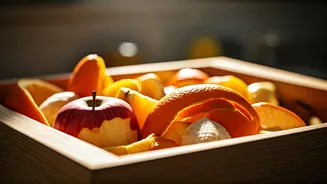
When making an apple pie or pear tart, collect those peels and cores. Place them in a saucepan, cover with water, and add a cinnamon stick or a star anise. Simmer for about 20-30 minutes, then strain. You’ve just made a delicate, fruit-infused liquid that can be used as a base for hot tea, a poaching liquid for other fruits, or reduced with sugar to create a homemade apple jelly. You can also toss the peels with a sprinkle of cinnamon and sugar and bake them at a low temperature until they become crunchy, fruit-leather-like crisps—a healthy treat for kids and adults alike.
Onion & Garlic Skins: The Secret to Rich Broth
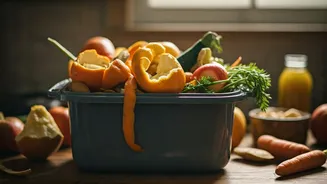
The papery, dry outer layers of onions and garlic might seem completely useless, but they are the key to a deeply colored and flavorful vegetable broth. The skins of yellow and red onions, in particular, impart a beautiful golden-amber hue that you can’t get from the flesh alone. Keep a bag in your freezer and add all your onion ends, garlic skins, carrot peels, and celery butts to it over time. Once the bag is full, dump the contents into a stockpot, cover with water, add a bay leaf, and simmer for at least an hour. The resulting broth is a free, flavorful foundation for soups, stews, and cooking grains.
Banana Peels: The Surprising Savory Ingredient
This one may sound strange, but it’s a staple in many parts of the world and a rising star in plant-based cooking. Banana peels have a fibrous texture that, when cooked, can mimic pulled meat. For best results, use peels from ripe, organic bananas and scrape out the white pith to reduce bitterness. Shred the peel with a fork, then simmer it in a flavorful sauce—barbecue sauce is a popular choice—until tender. Pile it onto a bun for a “pulled peel” sandwich. The peel itself is fairly neutral, so it mainly acts as a vehicle for whatever sauce you use. It’s a resourceful way to create a hearty, meat-free meal from something you’d otherwise discard.
A Quick Note on Preparation
Before you start cooking with peels, it’s important to clean them properly. Scrub all produce thoroughly under running water to remove dirt and surface residues. When you plan to consume the entire peel, as with citrus or apples, opting for organic produce is a good way to minimize your exposure to pesticides. This small step ensures your budget-friendly hacks are as wholesome as they are delicious.