





From Generic to Geographic
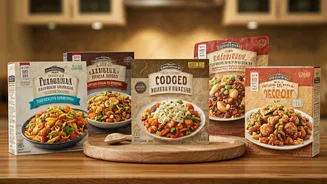
For decades, the promise of a convenience meal was simple: speed. The trade-off was often flavor, texture, and any semblance of culinary identity. Meals were engineered to be broadly acceptable, resulting in a landscape of vaguely Italian pasta, generically
“Asian-inspired” bowls, and the ever-present, geographically anonymous meatloaf. But a quiet revolution is taking place in grocery store freezers and direct-to-consumer delivery boxes. The new benchmark for a quick meal isn’t just being edible; it’s being authentic. Now, you’re less likely to find just “chicken and rice” and more likely to find a Louisiana-style Creole Gumbo, a Nashville Hot Chicken bowl, or a Sonoran-style bean and cheese burrito. Brands are realizing that in a crowded market, specificity is a superpower. A meal with a story and a sense of place doesn’t just feed you—it connects with you.
The Growing Appetite for Authenticity
So, what’s driving this shift? It’s a direct reflection of how American palates have evolved. Thanks to the internet, travel shows, and a more diverse culinary landscape, consumers are more educated and adventurous than ever. We don't just want food; we want the story behind it. We want to taste the Hatch chiles from New Mexico, the specific spice blend of a Carolina barbecue sauce, or the rich coconut curry from a family recipe passed down through generations. This desire for authenticity is a powerful market force. Consumers, particularly Millennials and Gen Z, often see their purchasing decisions as extensions of their identity. Choosing a brand that celebrates a specific regional heritage over a faceless multinational corporation feels like a more meaningful transaction. This has pushed companies to move beyond simple “flavor profiles” and into the realm of genuine culinary storytelling.
Big Grocery, Small-Batch Energy
This trend wasn’t born in the boardrooms of legacy food giants. It was pioneered by smaller, nimble brands, many of which started as direct-to-consumer (DTC) businesses. Companies like A Dozen Cousins, focusing on recipes from Black and Latino cultures, or Kevin’s Natural Foods, offering Paleo-certified meals, proved there was a market for high-quality, targeted convenience food. They built loyal followings by speaking directly to communities who felt overlooked by mass-market options. Their success has not gone unnoticed. Now, larger players are scrambling to capture that “small-batch” energy. Some are acquiring successful upstarts, while others are launching their own regionally-focused product lines. The language of their marketing has shifted, too. We now see founder stories prominently featured on packaging, callouts to specific towns or regions, and an emphasis on “clean labels” with recognizable ingredients—all tactics designed to build trust and create a sense of personal connection that was previously absent from the category.
More Than Just a Weeknight Meal
The evolution of the convenience meal says something profound about our modern relationship with food. We are busier than ever, yet we crave connection and experience more than ever. The new wave of regional meals elegantly solves this paradox. They offer the speed we need on a Tuesday night but also provide a small dose of culinary tourism, a taste of a place we’ve been or want to go. Eating a bowl of Texas Chili from a company based in Austin is a fundamentally different experience than eating a generic “chili” from a can. It’s about participating, even in a small way, in a specific cultural tradition. This transforms a simple meal into an act of exploration. It makes the mundane task of feeding ourselves feel a little more interesting, a little more personal, and a lot more delicious.