






More Than Just Thick Hair
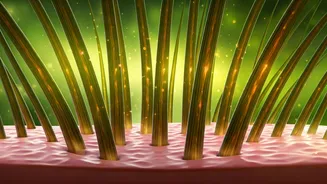
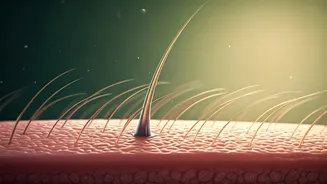
First, let's clear up a common point of confusion. Hair density is not the same as hair thickness. Thickness refers to the width of an individual strand of hair—some people naturally have fine strands, others have coarse ones. Density, however, refers to the number
of hair strands growing per square inch on your scalp. You can have fine hair that is incredibly dense, creating a full, voluminous look, or coarse hair that is sparse. The new beauty obsession zeroes in on the latter: maximizing the sheer number of hairs on your head. This shift marks a move toward a more holistic and almost scientific approach to hair health. It’s no longer enough for hair to look good from a distance; the goal is for it to be fundamentally robust, starting at the follicle. This focus on the root cause—literally—is what separates the density trend from previous hair fads that focused on superficial fixes like volumizing sprays or teasing combs.
The 'Skinification' of the Scalp
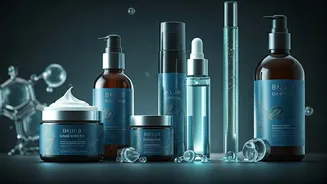
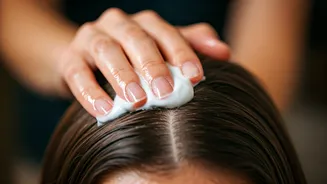
One of the biggest drivers behind the density craze is the “skinification” of hair care. For years, the beauty industry has taught us to treat the skin on our faces with a multi-step routine of cleansers, exfoliants, serums, and moisturizers. Now, that same logic is being applied north of the forehead. The scalp, after all, is just skin—and if it’s clogged, inflamed, or lacking circulation, it can’t produce healthy hair. This realization has created a booming market for scalp-specific products. We’re seeing scalp scrubs with salicylic acid to slough off dead skin, clarifying pre-shampoo treatments to remove product buildup, and, most importantly, potent serums packed with ingredients once reserved for high-end face creams. Peptides, hyaluronic acid, and niacinamide are now being marketed to create the optimal environment for hair growth. The message is clear: great hair doesn’t start with your shampoo; it starts with a healthy, well-tended scalp.
From a Secret Shame to a Wellness Goal
Perhaps the most significant aspect of this trend is how it reframes the conversation around hair thinning. What was once a topic spoken about in whispers, often associated with shame and aging, has been rebranded as a universal wellness objective. On platforms like TikTok and Instagram, users and influencers openly share their “hair growth journeys,” documenting their progress with rosemary oil treatments, scalp massagers, and dermatologist-recommended regimens. This has destigmatized the issue for millions. Instead of hiding thinning hair, people are proactively seeking to improve their hair density as a form of self-care, much like going to the gym or eating a healthier diet. It's a move from a reactive position (”How do I fix my hair loss?”) to a proactive one (”How can I optimize my hair density?”). This aspirational framing makes it an appealing goal for everyone, not just those experiencing noticeable thinning.
The New Arsenal of Ingredients
With this new goal comes a new arsenal of products and ingredients. While FDA-approved treatments like minoxidil (the active ingredient in Rogaine) remain a gold standard for clinically proven results, the wellness-oriented consumer is also embracing a host of other options. Natural ingredients like rosemary oil went viral on TikTok after some small studies suggested it could be as effective as minoxidil for some users, sparking a DIY movement. Brands have rushed to fill the demand with cosmetically elegant formulas featuring caffeine to stimulate follicles, peptides to support the hair’s structural proteins, and antioxidants to protect the scalp from environmental stressors. These products fit neatly into a daily routine, feeling more like a luxurious beauty ritual than a medical treatment. This blend of science-backed actives and botanicals gives consumers a wide spectrum of choices, from prescription-strength solutions to gentle, preventative care.