





The Renaissance of Basil
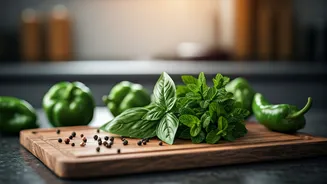
For years, basil’s job description was simple: star in pesto or nestle between a slice of tomato and mozzarella. But that’s a dramatic understatement of its capabilities. Cooks and chefs are increasingly celebrating basil not as a one-note ingredient
but as a complex aromatic capable of transforming a dish. Its revival is part of a broader return to simple, fresh, and powerful flavors that don’t require a pantry overhaul. The magic of basil lies in its variety. Sweet Genovese basil is the familiar Italian classic, but exploring Thai basil, with its distinct anise and spice notes, unlocks a world of Southeast Asian curries and stir-fries. Lemon basil offers a bright, citrusy punch perfect for fish or chicken, while holy basil (tulsi) brings a peppery, clove-like depth to teas and soups. This isn't a new herb; it's a new appreciation for its incredible range.
Beyond the Pesto Jar
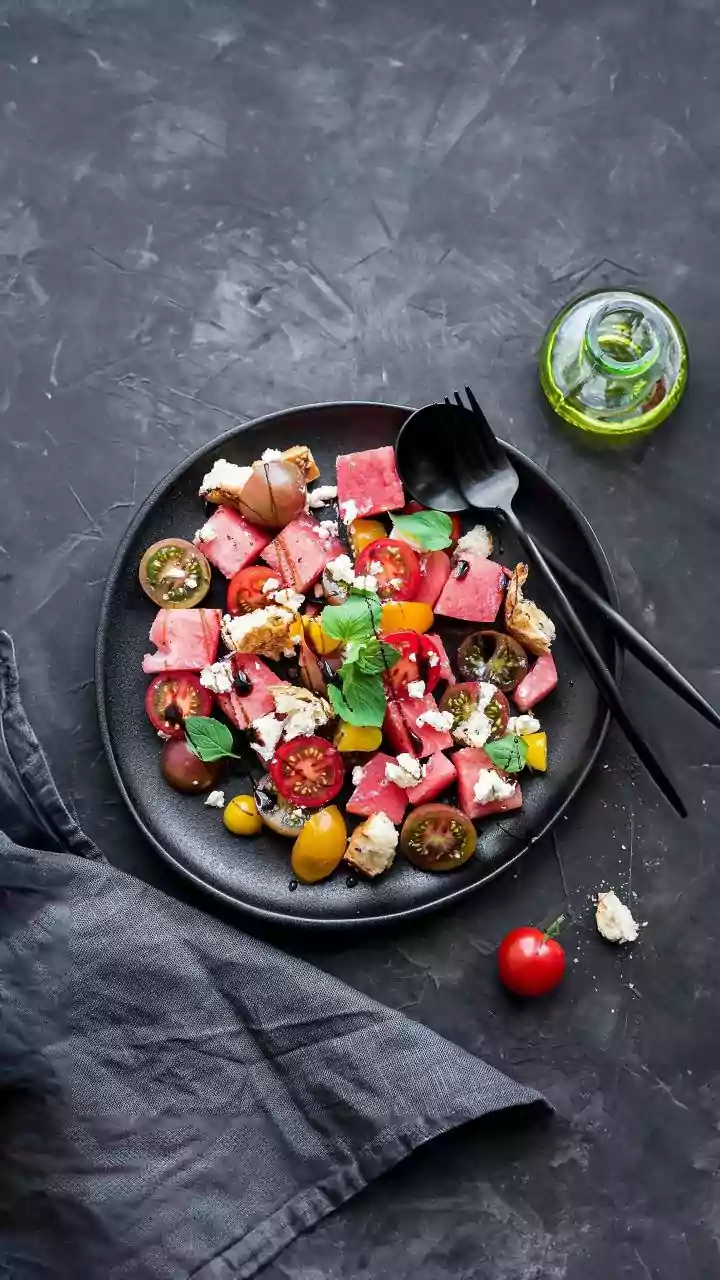
Ready to move past Caprese salad? Think of basil as a finishing touch that adds a burst of life. Chiffonade (slice into thin ribbons) a few leaves and scatter them over grilled peaches with a drizzle of balsamic glaze. Muddle whole leaves with lime juice and sugar for a Basil Gimlet or a non-alcoholic smash. Infuse olive oil with a handful of basil stems and leaves for a flavorful dressing you can use all week. One of the most surprising uses is in dessert. A basil-infused simple syrup can be drizzled over vanilla ice cream or used to sweeten lemonade and iced tea, adding an unexpected herbaceous note that is both sophisticated and refreshing. Even a simple weeknight pasta with butter and parmesan becomes something special with a generous handful of torn basil thrown in at the last minute.
Mint's Surprising Savory Side
If basil is breaking out of the pesto box, mint is escaping the confines of the mojito glass and the after-dinner chocolate. In the American kitchen, it’s often associated only with sweetness. But across the globe, mint is a savory staple. It’s a cooling counterpoint in spicy Vietnamese pho, a foundational element in Middle Eastern tabbouleh, and the backbone of the refreshing yogurt sauce, raita, served alongside Indian curries. Its ability to cut through richness and add a bright, clean flavor makes it an essential tool. Instead of a garnish, think of it as a key ingredient. Finely chopped mint stirred into a lamb meatball mixture or sprinkled over roasted carrots elevates them from simple to sublime. This shift isn’t about inventing new uses for mint; it’s about American home cooks finally catching up with what the rest of the world already knew: mint is a culinary workhorse.
More Than a Mojito Garnish
Embrace mint’s versatility by incorporating it into your weekly routine. Start simple: muddle a few sprigs in a pitcher of water with cucumber slices for a spa-like refreshment. For a dynamic side dish, toss freshly boiled peas or new potatoes with butter, salt, and a generous amount of chopped mint. It’s a classic British combination for a reason. Create a vibrant mint chimichurri by blending it with parsley, garlic, olive oil, and a touch of vinegar; it’s a spectacular sauce for grilled steak, chicken, or fish. Even salads get an upgrade. A few torn mint leaves added to a simple green salad with a lemon vinaigrette provides surprising pops of freshness that wake up the entire dish. The slightly sweet, peppery coolness of spearmint is a game-changer.
How to Buy and Keep Them Fresh
The only downside to fresh herbs is their notoriously short shelf life. But with the right technique, you can extend their vitality. When buying, look for vibrant, unwilted leaves with no black spots. For basil, treat it like a bouquet of flowers: trim the stems and place it in a jar of water on your counter, away from direct sunlight. Do not refrigerate it, as the cold will cause the leaves to turn black. Mint, on the other hand, does better in the fridge. The best method is to wrap the bunch in a damp paper towel and place it inside a plastic bag or an airtight container. This creates a humid environment that keeps the leaves from drying out. With this little bit of care, your new kitchen stars will be ready whenever inspiration strikes.