



The End of the 'Diet' Salad
For decades, the word “salad” in a wellness context was code for deprivation. It conjured images of a lonely plate of iceberg lettuce, a few wan cucumber slices, and a drizzle of fat-free dressing that tasted vaguely of chemicals. It was something you
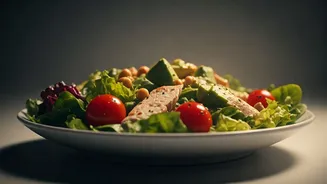
endured, not enjoyed, in the pursuit of a smaller number on a scale. That era is officially over. The new philosophy, championed on the Instagram feeds of celebrities and trainers, isn't about what you can take away, but what you can add. The modern fitness salad is robust, abundant, and designed for performance and satisfaction. It's a paradigm shift from calorie-counting to nutrient-density, where the goal is to build a bowl that fuels your body, not just fills a void.
Protein Takes Center Stage
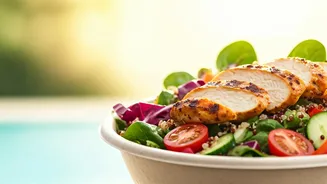
The single biggest change in the salad’s celebrity makeover is the promotion of protein from a supporting role to the main star. Previously, a few slivers of grilled chicken felt like an indulgence. Now, it’s the foundation. These aren't just salads; they're protein bowls that happen to have a lot of greens. We’re seeing hearty servings of grilled salmon, seared tuna, shredded chicken, or plant-based powerhouses like chickpeas and lentils. The logic is simple and rooted in fitness science: protein is essential for muscle repair, and it’s the most satiating macronutrient, meaning it keeps you fuller for longer. This prevents the classic post-salad slump and the inevitable 3 p.m. hunt for snacks, turning your lunch into a strategic tool for an active day.
Complex Carbs Are Welcome Back
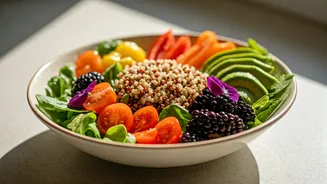
Remember when carbs were the enemy? The new wave of wellness salads joyfully rejects that notion. The viral “Jennifer Aniston salad”—a mythically perfect creation that took over TikTok, whether she ate it daily or not—was built on a base of quinoa and chickpeas. This highlights the re-embracing of complex carbohydrates. Farro, barley, roasted sweet potatoes, and wild rice are no longer forbidden but celebrated for providing sustained energy. Unlike the quick burnout from refined carbs, these ingredients offer a slow-release fuel source, perfect for powering you through a workout or a long afternoon of meetings. They also add fantastic texture and heft, ensuring the salad feels like a complete, satisfying meal.
Dressings Get a Gut-Friendly Upgrade
The dressing used to be the downfall of many a “healthy” salad, often loaded with hidden sugars, preservatives, and unhealthy fats. The celebrity fitness makeover has turned dressing into a functional wellness elixir. The new guard of dressings is built on whole-food, healthy fats. Think creamy concoctions blended from cashews, tahini, or avocados, which provide richness and nutrients without dairy. Olive oil-based vinaigrettes are infused with nutrient-dense additions like lemon juice, apple cider vinegar (for a dose of prebiotics), and herbs. You'll find Hailey Bieber-inspired strawberry glaze dressings or tangy, gut-friendly yogurt-based sauces. The goal is flavor and function, adding healthy fats that help your body absorb the fat-soluble vitamins in the vegetables.
Toppings That Work Harder
The final flourish of the modern fitness salad is a curated collection of toppings that do more than just look pretty. Every sprinkle has a purpose. A handful of pumpkin seeds or walnuts adds crunch and a dose of omega-3 fatty acids. A spoonful of kimchi or sauerkraut introduces probiotics for gut health. A shower of hemp hearts provides extra protein and healthy fats. Even the herbs are more intentional, with cilantro, mint, and parsley adding bright, antioxidant-rich flavor without a single calorie. It’s about creating layers of flavor, texture, and nutritional benefits. This final step transforms a simple bowl of ingredients into a complex, delicious, and highly optimized meal.