




Beyond the Billionaire Aesthetic
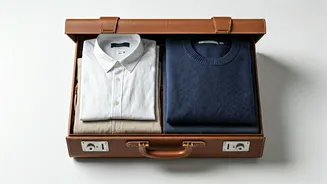
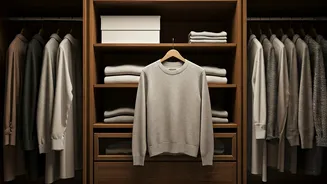
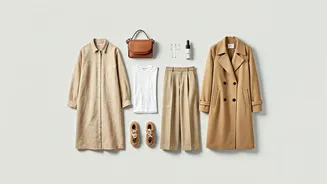
First, let's get the definition straight. ‘Quiet luxury’ flooded our feeds as an aesthetic of stealth wealth—think the logoless baseball caps on HBO's *Succession* or the impeccably tailored, neutral-toned outfits seen on Gwyneth Paltrow. At its core,
it’s about high-quality, timeless pieces that signal taste and status to those ‘in the know’ without shouting it through brand names. It whispers, it doesn’t yell. While this often translates to four-figure price tags on a simple coat or sweater, that interpretation misses a more interesting, accessible truth. The real spirit of quiet luxury isn't just about expense; it's about discernment. It's about choosing items with inherent value, durability, and a story. And this is where the artisan, the craftsperson, and the small-batch maker come in, offering a version of luxury defined not by cost, but by character.
The Soul of the 'Imperfect' Object
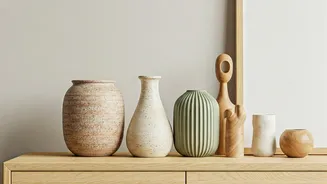
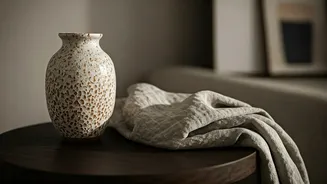
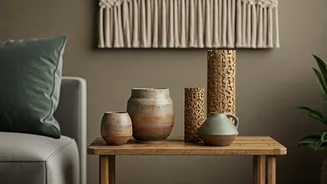
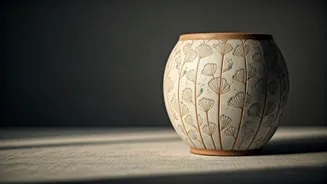
Mass-produced items are defined by their uniformity. Every IKEA mug is identical; every Target vase is a perfect clone of the next. There’s an efficiency to this, but also a profound lack of soul. A handmade object, by contrast, is a record of its own creation. It’s the slightly uneven glaze on a ceramic bowl, the visible grain of wood on a hand-carved spoon, or the subtle variations in a hand-loomed blanket. These so-called ‘flaws’ are not defects; they are evidence of the human hand. They tell you that a person, not a machine, spent time considering this object, shaping it with skill and intention. This uniqueness is a luxury in a world of endless digital and physical copies. Owning something that is one-of-a-kind, that carries the thumbprint of its maker, provides a sense of grounding and authenticity that a factory-perfect item simply cannot replicate. It has, for lack of a better word, a heartbeat.
Connection in a Digital World
The turn toward handmade goods is also a quiet rebellion against the alienation of modern commerce. When you buy from a global megastore, your transaction is with an algorithm and a complex, faceless supply chain. When you buy a piece of pottery at a local market or a hand-knit scarf on Etsy, you are often connecting directly with the creator. You might see their face, read their story, and understand the process behind the product. This relationship transforms the act of shopping from a hollow transaction into a meaningful exchange. In an era of digital detachment and remote everything, we are starved for genuine connection. A handmade piece serves as a tangible link to another person’s creativity and labor. It’s a physical reminder that behind the things we own, there are people with stories, skills, and passion. This imbues the object with a significance that goes far beyond its function.
An Ethic, Not Just an Aesthetic
Ultimately, choosing handmade is an ethical stance as much as a stylistic one. It’s a vote for a different kind of economy—one that is slower, more deliberate, and more human-scaled. It’s a rejection of the ‘buy cheap, buy often’ ethos of fast fashion and disposable decor, which has devastating consequences for both people and the planet. By investing in a well-made artisan piece, you are often supporting a small business, promoting sustainable practices, and acquiring something built to last for years, if not generations. This approach encourages us to become curators of our own lives rather than mere consumers. We collect fewer, better things—items that we love not for the status they might confer, but for the beauty, story, and integrity they bring into our homes. This isn't just quiet luxury; it’s conscious luxury.