



The Monsoon’s Secret Signal
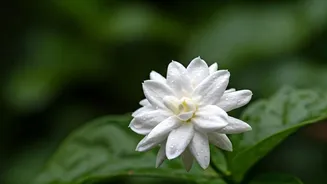
Many of the most beloved and fragrant jasmine varieties, particularly Arabian jasmine (*Jasminum sambac*), are native to the tropical and subtropical regions of Southeast Asia and India. In these places, the climate is defined by distinct wet and dry
seasons. The arrival of the summer monsoon, with its torrential rains and soaring humidity, is the single most important event in the natural calendar. For plants like jasmine, this dramatic shift from dry, dormant conditions to a saturated environment is a powerful biological trigger. The sudden, sustained availability of atmospheric moisture signals that the time for survival is over and the time for reproduction has begun. Flowers are, after all, a plant’s way of creating the next generation, and the monsoon provides the ideal, lush conditions for seeds to eventually set and thrive.
How Humidity Unlocks Fragrance
The science behind this floral explosion is both elegant and practical. Plants, like humans, are constantly losing water to the atmosphere through a process called transpiration. In dry air, this water loss is rapid, forcing the plant to conserve resources just to stay hydrated. But when the air is thick with humidity, the rate of transpiration slows dramatically. The plant doesn't have to work as hard to retain water. This surplus of energy and water can be redirected into more resource-intensive activities—namely, producing flowers. High humidity tells the plant’s internal systems that water is abundant and it’s safe to invest in blooming. Furthermore, the volatile organic compounds that create jasmine’s iconic scent are better preserved and dispersed in moist air. The humidity essentially “holds” the fragrance close to the ground, making the aroma richer and more pervasive, which in turn is more effective at attracting nighttime pollinators like moths.
Choosing the Right Jasmine
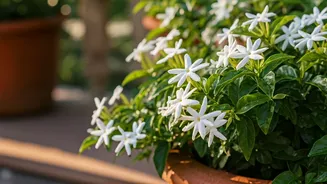
While the principle applies broadly, not all plants sold as “jasmine” respond the same way. The true monsoon lovers are typically tropical species. *Jasminum sambac*, with cultivars like 'Maid of Orleans' and 'Grand Duke of Tuscany', is the quintessential example. These are the plants that release their scent most powerfully at night and are directly linked to high humidity. Other popular varieties, like Star Jasmine (*Trachelospermum jasminoides*), aren't true jasmines and have different triggers, though they also appreciate moisture. Winter Jasmine (*Jasminum nudiflorum*) is a cold-hardy species that blooms on bare stems in late winter, responding to increasing daylight and temperature, not humidity. For gardeners looking to capture that monsoon magic, focusing on the tropical *Jasminum* species is key. They thrive in pots, making them manageable even in climates with cold winters.
Recreating the Effect at Home
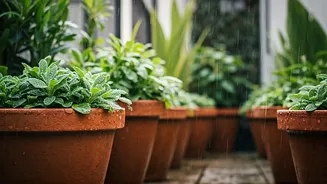
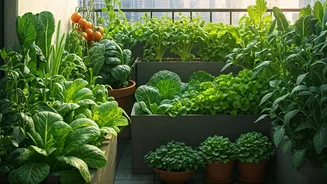
You don't need to live in a monsoon zone to encourage a spectacular bloom from your jasmine. The goal is to mimic that environmental shift. If you live in a naturally humid part of the U.S., like the Southeast, you're already halfway there. Simply ensuring your jasmine is well-watered during the hot, humid summer months will often be enough. For those in drier climates, the strategy is to create a microclimate. Grouping potted plants together helps raise local humidity. Placing your jasmine pot on a tray of pebbles filled with water (ensuring the pot itself isn't sitting in the water) will create a constant source of evaporation around the leaves. Regular misting with a spray bottle, especially in the morning, can also simulate the moist air of its native habitat. By providing this consistent humidity during its growing season, you’re sending your jasmine the same message as a coming monsoon: it’s safe, it’s lush, and it’s time to bloom.