
So, What Exactly Is Makhana?
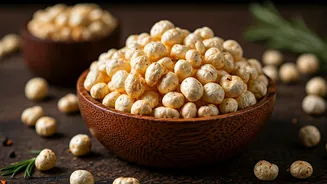
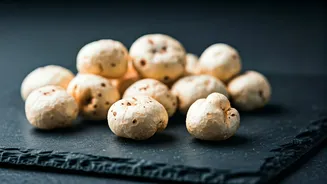
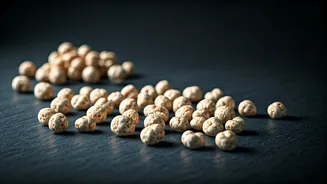
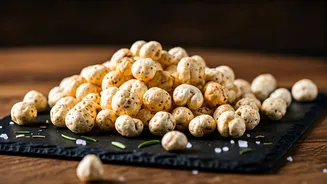
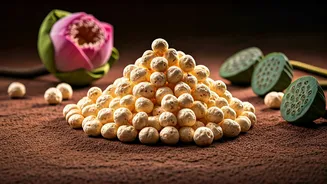
First, let's clear up a common misconception: despite being called fox nuts, makhana aren't nuts at all. They are the popped seeds of the Euryale ferox, or prickly water lily, a plant found in the wetlands of India and other parts of Asia. In their raw,
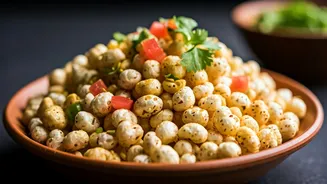
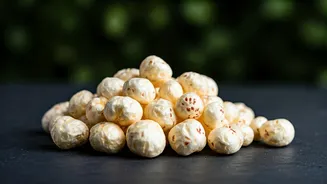
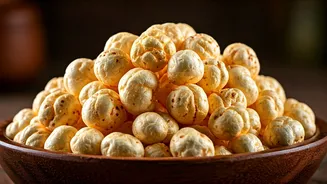
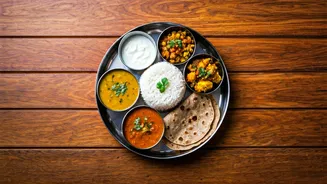
puffy, white form, they have a texture a bit like a styrofoam packing peanut—light, airy, but disappointingly chewy. It’s the roasting process that transforms them into something magical. For centuries, makhana has been a staple in Indian households, used in savory curries, sweet puddings (kheer), and as a traditional fasting food. But its most popular modern application is as a simple roasted snack. When heated, the seeds puff up and become incredibly light and crispy, creating a texture that’s a delightful cross between popcorn and a cheese puff, but with more substance. They have a very neutral, mild flavor, making them the perfect blank canvas for whatever seasonings you’re craving.
The 'Healthy' Part of the Equation
The real magic of makhana lies in its nutritional profile. Unlike potato chips or other fried snacks, these popped seeds deliver a satisfying crunch without the guilt. They are naturally low in calories and fat. A generous one-cup serving typically contains around 100 calories, making it a perfect choice for mindless munching while you watch a movie. But they're not empty calories. Makhana are a good source of several important minerals, notably magnesium, which plays a role in everything from muscle function to nerve health. They also contain a decent amount of fiber and some plant-based protein, which helps make the snack feel more satisfying and keeps you fuller for longer than other airy snacks might. Plus, they are naturally gluten-free and low on the glycemic index, meaning they won't cause a dramatic spike in your blood sugar. It’s a snack that works with your body, not against it.
The 10-Minute Path to Crispy Bliss
Making your own roasted makhana is ridiculously easy and takes less than 10 minutes. This is where you control the health factor, using minimal oil and seasoning to your exact preference. Start by heating a large, dry skillet or pan over medium-low heat. Add the raw makhana and dry roast them for about 5 to 7 minutes, stirring frequently so they don’t burn. You'll know they're ready when they feel light and are no longer soft. Take one out, let it cool for a few seconds, and crush it between your fingers. If it shatters into a crisp, powdery dust, they’re perfectly toasted. If it’s still chewy, give them another minute or two. Once they are perfectly crisp, you can add your fat and seasonings. Turn the heat to low, add a teaspoon of ghee, coconut oil, or olive oil to the pan, and toss the makhana to coat. Immediately sprinkle on your seasonings and toss again until they are evenly distributed. Tip them out onto a plate to cool—they will get even crispier as they come to room temperature.
Beyond Salt: Flavoring Your New Favorite Snack
The neutral base of makhana invites experimentation. You can go in countless directions, from savory to sweet. Here are a few ideas to get you started: * **Classic & Simple:** The go-to method. Use ghee (clarified butter) for a nutty flavor, and season with sea salt and freshly cracked black pepper. * **Spicy & Tangy:** A classic Indian street-food flavor profile. Use a neutral oil and toss with salt, a pinch of turmeric, a little red chili powder, and a generous sprinkle of chaat masala—a tangy, funky spice blend available at Indian grocers or online. * **Smoky & Savory:** For a BBQ chip vibe, toss with olive oil, smoked paprika, garlic powder, and onion powder. * **Sweet Treat:** For a kettle corn alternative, use coconut oil and toss with a mix of cinnamon and a touch of maple sugar or monk fruit sweetener while they are still warm.