




The Science of a Sanctuary
The term 'rain shadow' sounds like something out of a fantasy novel, but it’s a simple geographic marvel. The Indian summer monsoon, famous for transforming the subcontinent into a tropical paradise, sweeps in from the south. As these moisture-heavy clouds
hit the colossal Himalayan mountain range, they are forced upward, cooling and dumping their rain on the southern slopes. By the time the air crests the highest peaks and descends into the valleys on the other side, it’s dry. The result is a stunning, arid landscape that remains sunny and accessible while the rest of the country is under a deluge. This region, primarily the districts of Lahaul and Spiti in the state of Himachal Pradesh, becomes a perfect, if unconventional, summer escape.
Welcome to India's Tibet
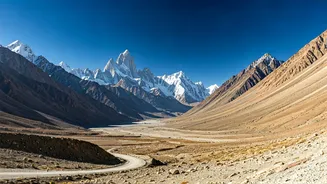
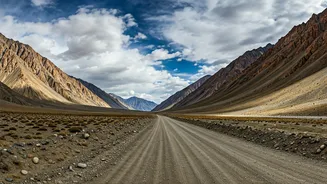
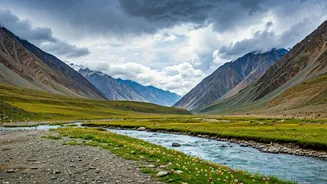
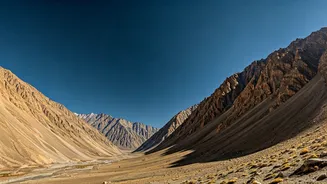
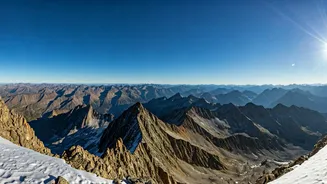
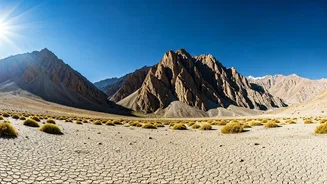
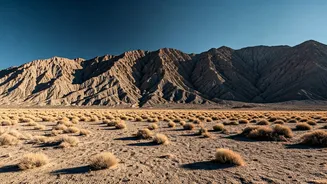
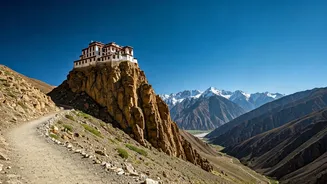
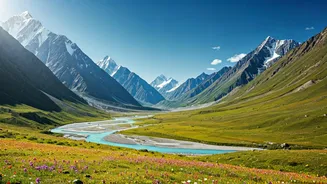
Crossing over into the rain-shadow region feels like entering another world. The lush green forests give way to barren, rust-colored mountains, dramatic canyons carved by turquoise rivers, and vast, empty plains under an impossibly blue sky. This is India, but not as most people imagine it. The culture here is distinctly Tibetan-Buddhist, a world of ancient monasteries perched precariously on cliffs, fluttering prayer flags, and the serene hum of chanting monks. For centuries, these valleys were largely isolated, known to only the most intrepid travelers and mountaineers who nicknamed the area the 'Forbidden Kingdom.' The landscape is often compared to the surface of the moon or the dramatic plateaus of Tibet, offering a profound sense of solitude and scale that is increasingly rare in the modern world.
The Tunnel That Changed Everything
So why is this remote region 'trending' now? The answer lies in a feat of modern engineering: the Atal Tunnel. Opened in late 2020, this 5.7-mile tunnel bores through the Pir Panjal range at an altitude of over 10,000 feet. Before its construction, the journey into these valleys from the popular hill station of Manali involved a treacherous, high-altitude pass that was only open for a few months a year. The tunnel has slashed travel time by hours and, crucially, provides year-round access. This newfound accessibility has unlocked the region for a new generation of travelers, from weekend road-trippers to international visitors, who can now reach this once-inaccessible landscape with relative ease. The 'trend' isn't just hype; it's a direct result of the biggest infrastructure game-changer the Indian Himalayas have seen in decades.
More Than Just a Pretty View
While the dramatic landscapes are the main draw, the experience of being in Lahaul and Spiti is what truly captivates visitors. The lack of light pollution makes it one of the best places in the world for stargazing, with the Milky Way visible to the naked eye on clear nights. You can explore thousand-year-old monasteries like Tabo, a UNESCO World Heritage site often called the 'Ajanta of the Himalayas' for its ancient murals. Adventure seekers can trek to high-altitude lakes like Chandratal (the Moon Lake), go mountain biking along winding roads, or simply absorb the profound silence of the valleys. It’s an active, immersive travel experience that feels raw and authentic, a powerful antidote to a hyper-connected world.
A High-Altitude Balancing Act
The sudden influx of tourism presents both an opportunity and a challenge. For locals, it brings new economic possibilities to a region with limited sources of income. However, the fragile alpine ecosystem and the unique, preserved culture are vulnerable. The trendiness comes with a responsibility. The conversation in Himachal is shifting toward sustainable practices: promoting homestays over large hotels, managing waste in a region with no disposal infrastructure, and educating visitors on respecting local customs and the delicate environment. The future of this rain-shadow escape depends on finding a balance between sharing its beauty with the world and preserving the very things that make it so special.