




What Exactly Is Mango Rasam?
First, let’s get acquainted. If you know of rasam at all, you likely picture a peppery, tamarind-forward, tomato-based soup that’s a staple on South Indian tables—a comforting, sinus-clearing broth often served with rice. It’s a classic for a reason.
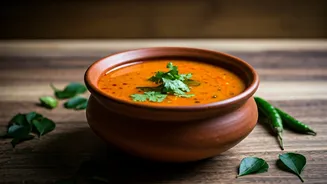
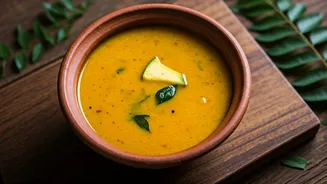
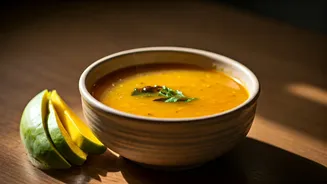
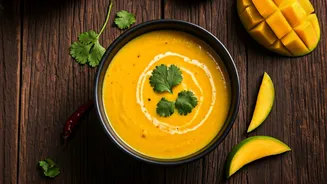
But mango rasam, or *Mambazha Rasam*, is its audacious, sun-drenched cousin from regions like Kerala and Tamil Nadu. It takes the fundamental blueprint of rasam—a thin, soupy consistency built on a sour and spicy base—and introduces a spectacular plot twist: ripe, sweet mango. Instead of the purely savory notes you might expect, you get a dish that sings with the sweetness of summer fruit, creating a flavor profile that is utterly unique and instantly captivating.
A Symphony of Sweet, Sour, and Spice
The magic of mango rasam lies in its masterful balancing act. To an American palate accustomed to fruit being relegated to dessert, the concept can seem foreign. But this is where the conversation begins. The first spoonful is a journey. It starts with the lush, floral sweetness of pureed ripe mango, a flavor that screams peak summer. Just as you’re settling into that sweetness, a wave of bright, tangy sourness from tamarind pulp cuts through, cleansing the palate and adding a layer of sophisticated complexity. Then comes the warmth. A gentle, creeping heat from black pepper, dried red chilis, and a bespoke blend of spices known as rasam powder arrives, rounding out the experience. It’s not a five-alarm fire, but a smoldering, fragrant heat that complements, rather than overpowers, the fruit. The final touch is a *tadka*, a tempering of hot ghee or oil sizzled with mustard seeds, curry leaves, and asafoetida, poured over the top to release a final, intoxicating burst of aroma. It's a dish that hits every single note on the flavor spectrum.
More Than a Meal, It's a Story
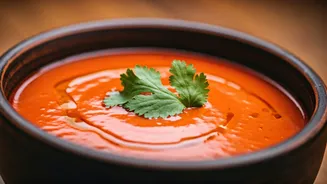
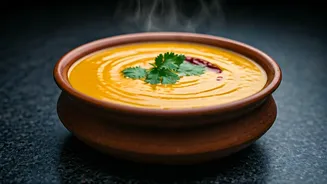
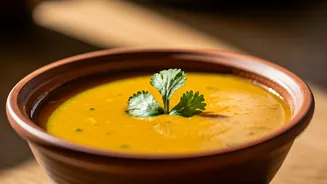
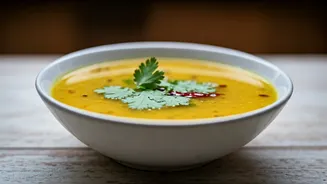
This is a dish that doesn’t just arrive at the table; it makes an entrance. Its vibrant, sunset-orange hue is a visual delight. Its aroma—a mix of fruity, tangy, and earthy—is intriguing. For anyone unfamiliar with it, the first question is always, "What *is* this?" And that’s the point. Serving mango rasam is an invitation to share a story. It’s a story about seasonality, a celebration of the fleeting mango season when this dish is traditionally made. It’s a story about cultural ingenuity, about creating complex flavors from humble, regional ingredients. It’s a challenge to the rigid Western separation of sweet and savory, proving that fruit can be the star of the main course. It prompts discussions about travel, about other meals you’ve had that surprised you, and about the simple joy of trying something new. It’s the antithesis of a boring meal because it is, by its very nature, interesting.
Bringing Mango Rasam to Your Table
You don't need a trip to Chennai to experience this. In its essence, the process is straightforward. Ripe mango pulp is simmered with tamarind water, jaggery (or brown sugar), and rasam powder. That’s the base. The key is using truly sweet, non-fibrous mangoes—the kind you’d love to eat fresh. Champagne, Ataulfo, or Kent mangoes are fantastic choices in the U.S. While some recipes call for cooked lentils (toor dal) to add body, many minimalist versions let the mango shine on its own. Serve it warm in small bowls as a starter soup to awaken the palate. Or, do it the traditional way: pour it over a mound of hot, fluffy rice, mixing it in with your hands or a spoon. The starchy, neutral rice becomes the perfect canvas for the rasam’s explosive flavor. It’s a light yet satisfying meal that feels custom-made for a hot day when you want something substantial but not heavy.