





From Trash to Treasure
Before you dismiss the idea, consider this: in many food cultures, especially across South Asia (the 'Desi' world of India, Pakistan, and Bangladesh), using an ingredient nose-to-tail isn't a trendy new concept—it's a centuries-old way of life. The watermelon
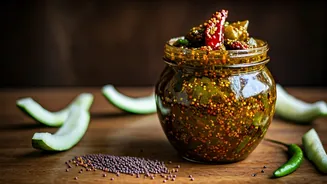
rind, that firm, white part between the bright pink flesh and the tough green skin, has a wonderfully neutral, cucumber-like crunch. This makes it a perfect canvas for flavor. When transformed into 'achaar' (the catch-all term for the vast world of Indian pickles), it absorbs spices like a sponge, becoming a complex, vibrant condiment that is simultaneously spicy, sour, salty, and deeply savory. This isn't just about reducing food waste; it's about unlocking a hidden culinary gem that's been hiding in plain sight at your cookouts.
Gather Your Flavor Arsenal
This recipe relies on a classic combination of spices that creates the signature taste of many Indian pickles. Most can be found in the spice aisle of a good supermarket, an Indian grocery store, or online. - **Watermelon Rind:** The star of the show. You’ll need the thick, white part from about a quarter of a medium watermelon. - **Oil:** A neutral oil like canola or sunflower works, but for a truly authentic flavor, use mustard oil (available at Indian grocers). Just be sure to heat it until it smokes slightly to mellow its pungency. - **Spices:** You'll want yellow mustard seeds, fenugreek seeds (methi), turmeric powder, red chili powder (like cayenne), and asafoetida (hing). Asafoetida has a strong smell raw, but it cooks into a wonderful savory, onion-garlic flavor. A little goes a long way. - **Acid & Salt:** White vinegar or lemon juice provides the tang and acts as a preservative. Salt is crucial for drawing out water from the rind and for flavor.
Step 1: Prep the Rind
The prep is arguably the most important step. First, carefully peel away the tough, dark green outer skin with a vegetable peeler. Then, slice off any remaining pink flesh. You want to be left with just the firm, white-to-pale-green rind. Cut the rind into uniform, bite-sized cubes, about half an inch each. Place the cubes in a colander, sprinkle them generously with about two tablespoons of salt, and toss to coat. Let them sit in the sink or over a bowl for at least an hour, or up to two. This process, called osmosis, will draw a surprising amount of water out of the rind. This is essential for two reasons: it prevents the final pickle from being watery and ensures the rind has a firm, satisfying crunch. After draining, give the rinds a quick pat-down with a paper towel to remove excess moisture.
Step 2: Bloom the Spices
This is where the magic happens. In Indian cooking, this technique is called 'tadka' or 'chaunk.' Heating spices in hot oil unlocks their essential oils and deepest flavors, infusing the entire dish. In a small pan, heat about a quarter-cup of your chosen oil over medium heat. Once it’s hot (if using mustard oil, wait for it to just start smoking, then lower the heat slightly), add the mustard seeds. They will soon begin to sputter and pop—this is your cue to add the fenugreek seeds and a pinch of asafoetida. Swirl the pan for about 30 seconds until they are fragrant, being careful not to burn them. Turn off the heat, then immediately stir in the turmeric and red chili powder. The residual heat of the oil is enough to toast them perfectly without scorching them.
Step 3: Bring It All Together
Now for the finale. Place your salted and drained watermelon rind cubes into a clean, non-reactive bowl (glass or ceramic is perfect). Pour the hot, spice-infused oil directly over the rinds. You should hear a satisfying sizzle. Mix everything thoroughly with a clean spoon until every piece of rind is coated in the vibrant, fragrant spice mixture. Finally, stir in about two to three tablespoons of white vinegar or fresh lemon juice and salt to taste. Remember the rinds are already a bit salty, so taste before you add more. The pickle is technically ready to eat, but its flavors will marry and deepen beautifully if you let it rest.
How to Store and Serve
Transfer the pickle to a clean, airtight glass jar and store it in the refrigerator. The flavors will continue to develop over the next few days, becoming more complex and delicious. It should last for several weeks in the fridge. So, how do you eat it? Achaar is a condiment, not a main course. Add a small spoonful to a plate of rice and dal for a burst of flavor. Use it to liven up a simple grilled chicken or fish. Or, do what modern American foodies do: put it on a cheese board, mix it into a sandwich spread for a spicy kick, or serve it alongside roasted vegetables. It's an instant upgrade for almost any meal.