






Reclaiming the Ancestral Plate
When you hear about the Indigenous food sovereignty movement, don’t picture a fleeting trend like the cabbage soup diet. This is a profound cultural and culinary reclamation. For decades, activists, chefs, and community leaders have been working to revitalize
the foodways that sustained Native American communities for centuries. Led by figures like Sean Sherman, the James Beard Award-winning chef behind "The Sioux Chef," the movement is about decolonizing the diet. This means moving away from the processed, high-sugar, and high-fat ingredients of colonial diets—like white flour, dairy, and cane sugar—that were often forced upon Indigenous populations. In their place, it champions the nutrient-dense, locally sourced foods that are native to North America. It’s a holistic approach that connects nutrition, culture, and environmental stewardship, framing food not just as fuel, but as medicine and history.
The Pantry of a Continent
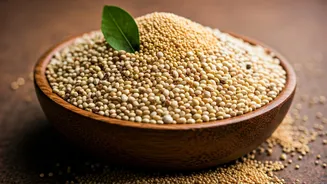
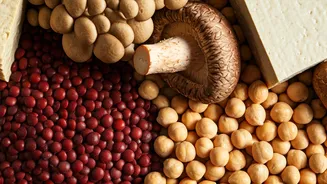
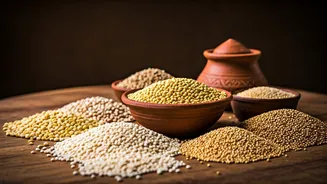
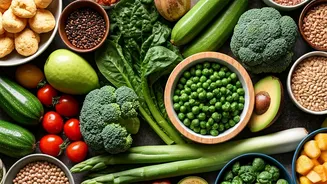
So, what does an ancestral plate look like? It’s a vibrant and diverse menu shaped by region and season. Forget beef and pork; think lean, grass-fed bison, venison, turkey, and fresh fish. Instead of wheat, the pantry is full of wild rice (which is actually a semi-aquatic grass), amaranth, and countless varieties of corn, beans, and squash—the legendary “Three Sisters.” These crops were traditionally grown together in a symbiotic relationship, a practice modern agriculture calls “companion planting.” The flavors are complex and earthy, derived from wild berries, maple syrup, mushrooms, wild greens like dandelion and purslane, and seasonings like sumac and juniper. This way of eating is naturally low-glycemic, high in fiber and protein, and rich in micronutrients that are often missing from the standard American diet. It’s a powerful reminder that an incredibly healthy and sustainable food system existed here long before the first grocery stores.
A History of Suppression
Understanding why this movement is so vital requires looking at a painful history. The systematic destruction of Indigenous food systems was a key tool of colonization. The near-extermination of the bison, for example, was a deliberate military strategy to starve and control Plains tribes who depended on the animal for survival. Forced relocation moved communities to lands where their traditional foods couldn't grow. Later, government commodity food programs, while intended to prevent starvation, introduced a diet heavy in canned goods, refined carbohydrates, and processed fats. This dietary disruption is directly linked to the disproportionately high rates of type 2 diabetes, heart disease, and other chronic health issues seen in many Native communities today. The resurgence of ancestral foods is, therefore, a direct response to this historical trauma—an act of healing and asserting food sovereignty.
The Modern Renaissance
Today, the movement is blossoming. Indigenous-owned restaurants, food trucks, and cafés are opening across the country, from Owamni in Minneapolis to Wahpepah’s Kitchen in Oakland. Native chefs are authoring acclaimed cookbooks and appearing on national television, sharing their knowledge with a wider audience. Beyond restaurants, the work is happening in community gardens, seed-saving initiatives, and educational programs that teach younger generations how to forage, hunt, and cook traditionally. This renaissance resonates with broader American food trends—the interest in farm-to-table sourcing, sustainability, and gut-healthy diets—but it carries a much deeper significance. It’s not just about discovering a “new” superfood; it’s about acknowledging and honoring a rich, resilient culinary heritage that has been overlooked for far too long.