




Prioritize Scalp Health
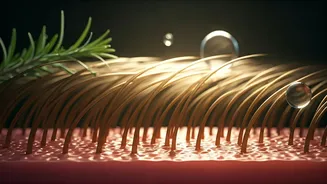
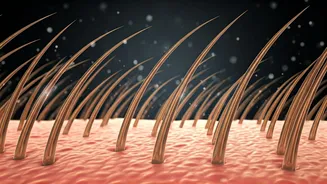
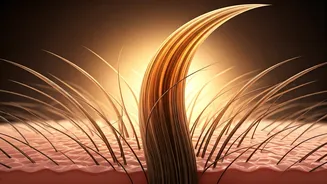
Healthy hair starts with a healthy scalp. Think of it as the soil from which your hair grows. Product buildup, oil, and dead skin cells can clog follicles, impeding growth. Dermatologists recommend regular, gentle cleansing with a sulfate-free shampoo
to remove debris without stripping natural oils. Incorporating a scalp massage can also be beneficial. Using your fingertips (not nails) to apply firm pressure in circular motions can boost circulation, delivering more oxygen and nutrients to your hair follicles. Some experts also suggest weekly use of a gentle exfoliating scalp treatment containing ingredients like salicylic acid to keep the follicle environment pristine.
Fuel Follicles from Within
What you eat has a direct impact on hair health. Hair follicles are made of fast-dividing cells that require a steady stream of nutrients to produce strong, healthy strands. Ensure your diet is rich in key hair-building blocks. Protein is non-negotiable, as hair is primarily made of keratin, a type of protein. Aim for lean meats, fish, eggs, and legumes. Iron is also crucial, as a deficiency (anemia) is a well-known cause of hair shedding. Get your levels checked and incorporate iron-rich foods like spinach, red meat, and fortified cereals. Other vital nutrients include zinc (found in oysters and pumpkin seeds), which aids in hair tissue growth and repair, and biotin (vitamin B7), which helps with keratin production.
Try a Proven Topical Treatment
When it comes to over-the-counter solutions with robust scientific backing, minoxidil is the star player. Sold under brand names like Rogaine, it’s one of the most studied and FDA-approved treatments for hair loss. Minoxidil is a vasodilator, meaning it widens blood vessels. When applied to the scalp, it's thought to increase blood flow to the follicles, pushing them into an active growth phase (anagen) and prolonging it. It’s available in 2% and 5% strength foams or liquids. Consistency is key; you must use it daily for several months to see results, and you must continue using it to maintain them. It works best for those with hereditary hair loss but can help improve density in many situations.
Explore Promising Natural Options
For those seeking a more natural route, rosemary oil has emerged as a compelling alternative. A landmark 2015 study directly compared rosemary oil to 2% minoxidil for androgenetic alopecia (pattern baldness). After six months, the study found that the group using rosemary oil saw a comparable increase in hair count to the minoxidil group, but with less scalp itching. It’s believed that a compound in rosemary oil, carnosic acid, helps heal nerve endings and improve circulation. To use it, mix a few drops with a carrier oil like jojoba or coconut oil and massage it into your scalp, leaving it on for at least 30 minutes before washing.
Reduce Physical Stress on Your Hair
Protecting the hair you have is just as important as growing new strands. Chronic tension and breakage can significantly reduce overall density. Avoid tight hairstyles like high ponytails, buns, or braids that pull on the hair follicles, which can lead to a type of hair loss called traction alopecia. Be gentle when brushing or combing, starting from the ends and working your way up to the roots to minimize breakage. Finally, limit heat styling. High temperatures from blow dryers, flat irons, and curling wands damage the hair’s protein structure, making it weak and prone to snapping.
Consult a Dermatologist for a Plan
If over-the-counter methods aren't delivering the results you want, the next step is a visit to a board-certified dermatologist. A professional can properly diagnose the cause of your thinning, which could range from genetics to hormonal changes or an underlying medical condition. They can offer personalized, prescription-strength solutions. These may include oral medications like finasteride or spironolactone (for women), which target hormonal causes of hair loss. They can also discuss in-office procedures like platelet-rich plasma (PRP) therapy or low-level laser therapy (LLLT), which have shown promise for stimulating hair growth in some individuals.