



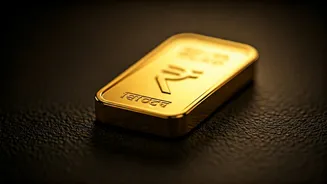

From Ornate Jewelry to Digital Wallets
So what exactly is 'digital gold'? Unlike a cryptocurrency, it’s not a new asset. It's a way of owning actual, 24-karat physical gold without the hassle of storing it. When a user buys digital gold through an app like Jar, SafeGold, or Gullak, they are
purchasing a corresponding amount of real gold that is stored in insured, third-party vaults. Think of it like a digital receipt for a tiny sliver of a gold bar kept safe on your behalf. These fintech platforms partner with established custodians and refiners, such as the government-backed MMTC-PAMP, to ensure every gram purchased online is backed by a gram in a vault. Users can buy, sell, or accumulate their holdings 24/7, and once they've saved enough, they can even redeem their digital balance for physical coins or jewelry delivered to their doorstep.
The Power of the Small Purchase
The real genius behind this trend is the concept of 'sachetization'—breaking down a high-value product into incredibly small, affordable units. For decades, this strategy has worked for everything from shampoo to coffee in India. Now, it’s being applied to gold. A 10-gram gold coin might cost over $700, an impossible sum for many young earners. But buying ₹10 (about 12 cents) worth of digital gold is an easy, almost thoughtless, daily habit. Many apps have gamified the process, using automatic round-ups on daily digital spending to sweep spare change into a gold account. This transforms saving from a daunting task into a passive, rewarding background activity. It lowers the barrier to entry from thousands of dollars to literally pennies, democratizing access to an asset class once reserved for those with significant disposable income.
An Old Love Affair Modernized
This isn't just a tech story; it’s a cultural one. India is one of the largest consumers of gold in the world. The metal is deeply woven into the fabric of society—a symbol of wealth, a safe-haven investment during uncertain times, a hedge against inflation, and an essential component of weddings, festivals, and religious ceremonies. For centuries, passing down gold has been how families transfer wealth between generations. What these apps have done is tap directly into that deep-seated trust and cultural reverence. They aren't trying to convince young Indians to believe in a new asset; they're providing a modern, frictionless on-ramp to an asset they already trust implicitly. It feels safer and more tangible to many than the volatile world of stocks or crypto, offering a sense of stability that resonates with both ancient tradition and modern economic anxiety.
Not Just an Investment, an Aspiration
For millions of young, upwardly mobile Indians, this trend is about more than just financial planning. It's a quiet form of aspiration. In a rapidly digitizing economy, participating in a traditional form of wealth-building—even in microscopic amounts—is a powerful statement. It's a way to feel connected to the financial security their parents valued, but on their own terms and through their own tools. This isn't the stuffy world of bank lockers and complicated paperwork. It’s sleek, instant, and fits in their pocket. For a generation that lives through their smartphones, digital gold makes a timeless symbol of prosperity feel native to their world, turning a daily micro-transaction into a step toward a more secure future.