




Why the Sudden Health Kick?
For generations, Indian snacking, or 'nashta,' has been synonymous with deep-fried, carb-heavy delights. Think crispy samosas, savory pakoras, and intricate chaat. While delicious, these treats are often reserved for special occasions or indulgent moments.
But a perfect storm of social and economic factors is reshaping daily habits. A burgeoning urban middle class, armed with more disposable income and global health awareness, is demanding more. Post-pandemic, the link between diet and immunity has never been clearer, pushing consumers to actively seek out food that is both convenient and genuinely good for them. This isn't about abandoning flavor; it's about upgrading the entire snack experience.
The Old Guard vs. The New Recruits
The traditional Indian snack market is a multi-billion dollar industry dominated by what are known as 'namkeen'—salty, savory, and often fried mixtures. But market projections show the fastest growth is now in the 'healthy' sub-category. Startups and legacy brands alike are racing to cater to this new demand. The shift is fundamental: moving away from refined flour and heavy oils towards nutrient-dense, indigenous ingredients. The new philosophy values baking, roasting, and even vacuum-frying over deep-frying, slashing calorie counts while preserving texture and taste. It's a modernization of tradition, not a rejection of it.
Meet the New Stars of the Snack Aisle
So, what do these new-age Indian snacks actually look like? Forget what you think you know. This is a creative and flavorful new world.
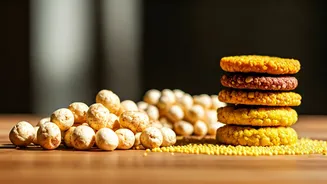
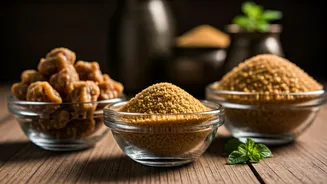
* Millet Mania: Millets, ancient grains like ragi (finger millet) and jowar (sorghum), are making a massive comeback. Once considered rural staples, they're now the heroes of the health food aisle. They are naturally gluten-free, high in fiber, and packed with nutrients. You’ll find them in everything from baked chips and puffed snacks to cookies and breakfast cereals. They provide a satisfying, earthy crunch that’s miles away from a simple potato chip.
* The Makhana Makeover: Makhana, or fox nuts, are the popped seeds of the water lily plant. They've been a fasting food in India for centuries, but now they're a mainstream superstar. They are light, airy, low in calories, and rich in protein and antioxidants. Brands are roasting them (not frying) and tossing them in a variety of modern and traditional seasonings, from Himalayan pink salt and peri-peri to classic masala.
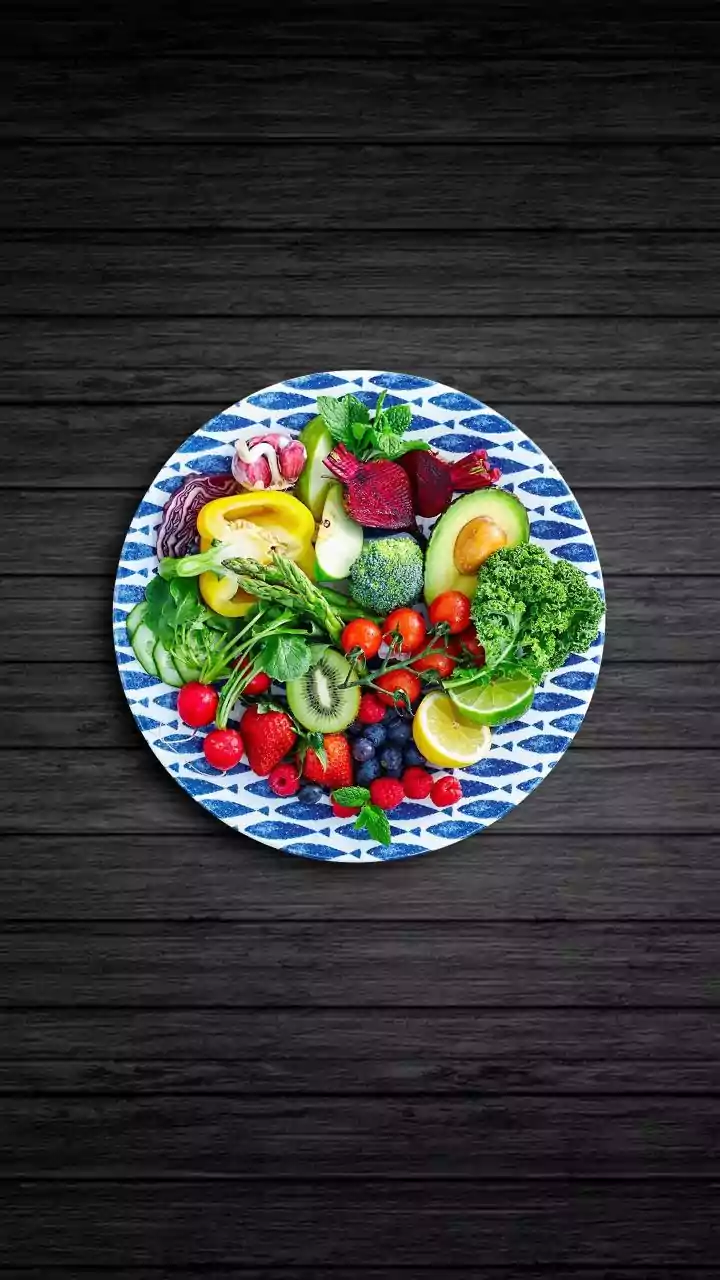
* Better-for-You Veggie Chips: This isn't just about potato's cousins. We're talking okra, beetroot, jackfruit, and carrot chips that are either baked or vacuum-fried—a process that uses less oil and lower temperatures to retain more of the vegetable's natural color, flavor, and nutrients. The result is a vibrant, crispy snack that actually feels virtuous.
More Than Just a Trend
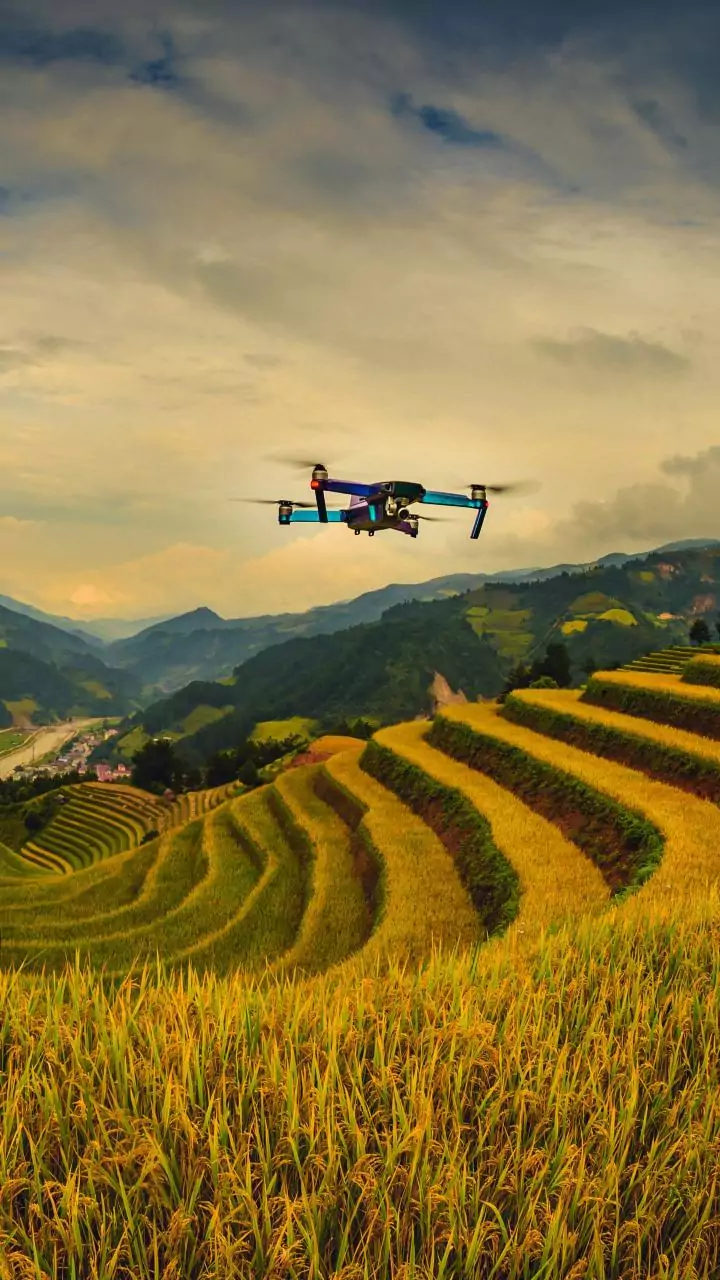
This movement is also deeply tied to a sense of national pride and sustainability. The Indian government has been actively promoting millets, even leading the UN to declare 2023 the 'International Year of Millets.' By championing these indigenous, drought-resistant crops, India is not only improving its population's nutrition but also supporting local farmers and building a more resilient food system. This shift represents a powerful blend of modern wellness science and ancient agricultural wisdom. It’s about creating snacks that are good for the body, the planet, and the local economy.