



Putting an End to the Veto Vote
The single biggest obstacle to group dining is the dreaded veto. One person doesn't like Thai food, another isn't in the mood for Italian, and suddenly your options have dwindled to the one beige American bistro everyone finds 'fine.' This is where multi-regional
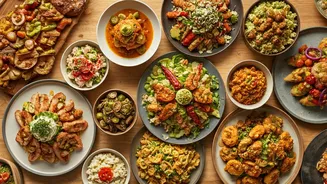
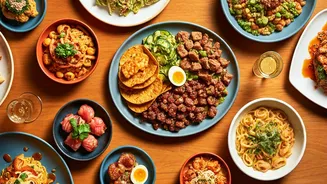
dining, most often found in today’s booming food halls, changes the game entirely. There is no single restaurant to veto. When one person can grab a wood-fired pizza, another can get authentic ramen, and a third can opt for a lobster roll, the power of 'no' dissolves. The conversation shifts from 'What can we all agree on?' to 'What are you excited to eat?' This simple change removes the primary source of friction, transforming a negotiation into a shared adventure. The focus is no longer on compromise, which often leads to collective mediocrity, but on individual satisfaction within a communal setting.
A Playground for Every Palate
Group outings often feature a mix of culinary personalities. You have the adventurous eater who wants to try the Szechuan spot with a notoriously spicy menu, and you have the comfort-food loyalist who just wants a really good cheeseburger. In a traditional restaurant setting, one of them is going to be disappointed. A multi-vendor environment caters to this diversity beautifully. The friend who just got back from Mexico and is craving authentic al pastor tacos can get their fix, while their less-adventurous companion can stick with Nashville hot chicken or a classic Philly cheesesteak. It creates a low-pressure environment for exploration. Someone might see their friend's incredible-looking bowl of pho and decide to be more daring next time. It allows for different levels of culinary risk-taking under one roof, ensuring everyone leaves happy and well-fed, not feeling like they settled.
Solving the Dietary Dilemma
Accommodating dietary restrictions can be a logistical nightmare. Finding a single restaurant that has satisfying, well-executed options for your vegan friend, your gluten-free cousin, and your carnivorous uncle can feel like an impossible task. Often, the person with the restriction is left with a sad, uninspired side salad while everyone else enjoys a full meal. Multi-regional food hubs are a natural antidote to this problem. They are typically populated with specialized vendors who are experts in their specific cuisine. That means you're more likely to find a stall dedicated entirely to plant-based comfort food, a vendor who properly handles gluten-free preparations, or a place that excels in fresh, healthy grain bowls. Instead of one kitchen trying to be a jack-of-all-trades, you have multiple experts. This not only provides better, safer, and more delicious options for those with dietary needs but also removes the social burden of having the entire group's choice revolve around one person's limitations.
Shared Experience, Separate Plates
Some might argue that dining this way feels disjointed, but the opposite is true. The most important part of a group meal is the 'group' part—the conversation, the laughter, and the shared time. The traditional model forces a shared culinary experience that can be fraught with compromise. The food hall model decouples the food choice from the social experience. You still sit together at long communal tables, share stories, and maybe even steal a bite of your friend's dish. But the anxiety over the menu is gone. The communal experience is strengthened because the logistical hurdles have been removed. Everyone is more relaxed and present because they're eating something they genuinely want. It preserves the best parts of dining together while eliminating the worst, proving that the most fun gatherings are built on shared tables, not necessarily shared menus.