




The Great Unlocking: Visa-Free Doors Swing Open
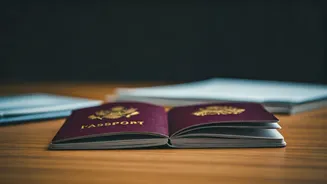
The single biggest hurdle for any impromptu international trip has always been the visa. For decades, Indian travelers faced a gauntlet of paperwork, in-person appointments, and weeks-long waiting periods. That landscape is rapidly changing. In a strategic
push to capture a slice of India's booming outbound tourism market, several countries have dropped visa requirements entirely. Popular destinations like Thailand, Malaysia, Sri Lanka, and Kenya recently announced visa-free entry for Indian citizens for specific periods. This isn't just a minor convenience; it's a fundamental game-changer. It transforms a destination from a 'plan three months ahead' ordeal into a 'let's go this weekend' possibility. The move recognizes the immense spending power of Indian tourists and signals a global competition to roll out the welcome mat.
From Paper Chase to Digital Dash: The E-Visa Revolution
For destinations not quite ready to go fully visa-free, the e-visa has become the next best thing. This digital alternative has systematically replaced the dreaded folder of documents—bank statements, employment letters, and notarized affidavits—with a simple online form. Countries across the globe, from Turkey to Vietnam, now offer streamlined e-visa portals. What once took weeks and a visit to an embassy can often be accomplished in 24 to 72 hours from a laptop. This digital shift drastically shortens the planning horizon. A traveler can now confidently book flights and hotels knowing the visa process is a quick, predictable, and remote procedure, removing the uncertainty that once killed spontaneity.
The Schengen Zone: Cracking the Toughest Nut
For the Indian jetsetter, Europe has long been the ultimate prize—and the ultimate challenge. The Schengen visa, which grants access to 27 European countries, was notoriously difficult to obtain, with appointment slots booked months in advance. While it's still no cakewalk, the situation is improving. Recognizing the post-pandemic backlog was costing them billions in tourist dollars, key European nations are making amends. France, for example, has publicly aimed to streamline the process for Indians, increasing staffing at its consulates and opening more visa application centers. Switzerland is also actively courting Indian tourists with promises of longer-term, multi-entry visas. The message is clear: even the most fortified travel walls are developing cracks, driven by the sheer economic force of Indian tourism.
Tech Puts the Power in Their Pocket
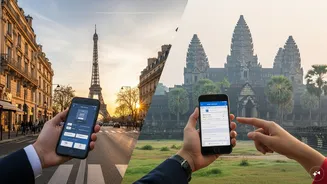
Beyond visa policies, a powerful ecosystem of technology is fueling this new era of flexible travel. Sophisticated flight and hotel aggregators use AI to find last-minute deals, while fintech platforms have made international payments seamless, a world away from the old hassle of traveler's checks. India's own Unified Payments Interface (UPI) is even gaining acceptance in countries like France and the UAE, allowing travelers to pay abroad as easily as they do at home. This technological infrastructure provides the confidence and tools needed to make quick decisions. When you can book a flight, secure a hotel, arrange an e-visa, and manage your money all from your phone in a matter of hours, the world suddenly feels much smaller and more accessible.