


What is Granny Chic 2.0?
Forget the dusty, cluttered parlors of memory. Granny Chic 2.0, also known as 'Grandmillennial' style, is a highly curated and intentional aesthetic. It’s not about recreating grandma’s house piece for piece; it's about selectively borrowing the best
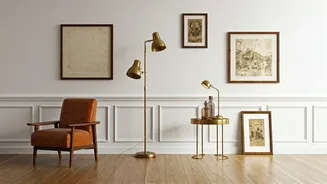
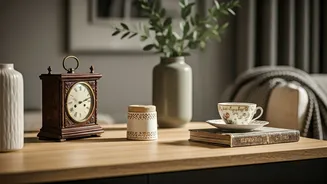
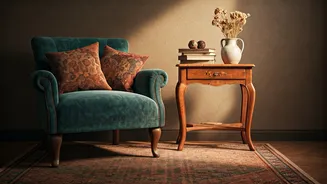
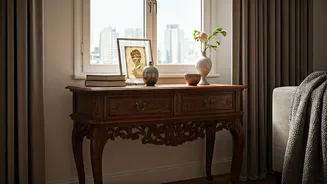
elements and giving them a modern, often witty, context. Think floral chintz on a sleek, modern armchair. Think hand-embroidered pillows with ironic phrases instead of 'Home Sweet Home.' This updated version champions pattern, texture, and history, but with a crucial sense of restraint. It pairs inherited wooden chests with abstract art, and needlepoint cushions with minimalist sofas. The '2.0' lies in the editing—it’s nostalgia without the stuffiness, celebrating handmade quality and personal stories over mass-produced perfection.
The Backlash Against a Decade of Beige
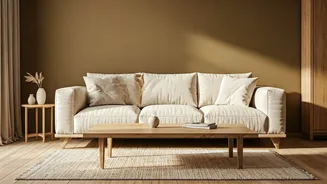
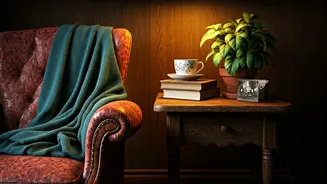
For years, the design world and social media feeds were dominated by a stark, Scandinavian-inspired minimalism. White walls, clean lines, and a neutral palette became the default for sophisticated living. But for many, this aesthetic began to feel impersonal, cold, and even boring. Granny Chic 2.0 is a direct, joyful rebellion against this uniformity. It reintroduces personality, warmth, and a sense of layered history into our homes. The pandemic amplified this shift, as people spending unprecedented time indoors began craving spaces that felt less like showrooms and more like cozy, personal sanctuaries. This trend is the ultimate form of nesting, wrapping inhabitants in color, comfort, and objects that have a soul.
From Hobby to High-Design Skill
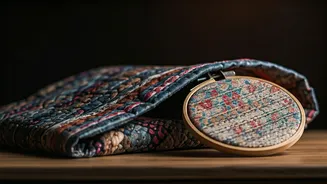
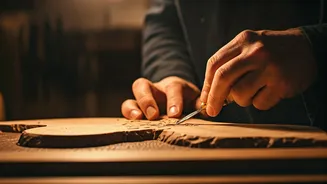
Here’s the most telling sign of the trend’s maturity: professional designers are enrolling in masterclasses for skills once relegated to the hobby corner. Workshops teaching quilting, macrame, needlepoint, and even furniture caning are seeing a surge in attendance from interior designers, textile artists, and brand creatives. Why? Because in a competitive market, offering a client a one-of-a-kind, hand-stitched quilt or a custom-upholstered vintage chair is the new pinnacle of luxury. These skills allow designers to create bespoke pieces that tell a unique story, providing a level of customization that can’t be ordered from a catalog. It’s a powerful differentiator, signaling a commitment to craftsmanship and a move away from the fast-fashion equivalent in home decor.
The Unexpected Sustainability Angle
Beneath the floral patterns and wicker baskets lies a deeply sustainable ethos. The Granny Chic movement is inherently anti-disposable. It encourages sourcing furniture from antique stores, flea markets, and family attics rather than buying new. The skills being taught in these masterclasses—mending, quilting, and reupholstering—are all about extending the life of existing objects. A designer who can patch a vintage textile or give a tired chair a new life is not only creating a unique look but also practicing a more circular, environmentally conscious form of design. This alignment with modern values of sustainability gives the trend a substance and longevity that a purely aesthetic fad might lack. It’s about treasuring what we have, not constantly chasing the new.
The Secret Is in the Mix
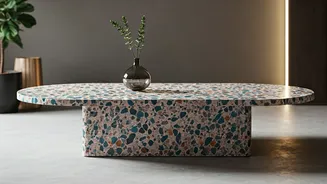
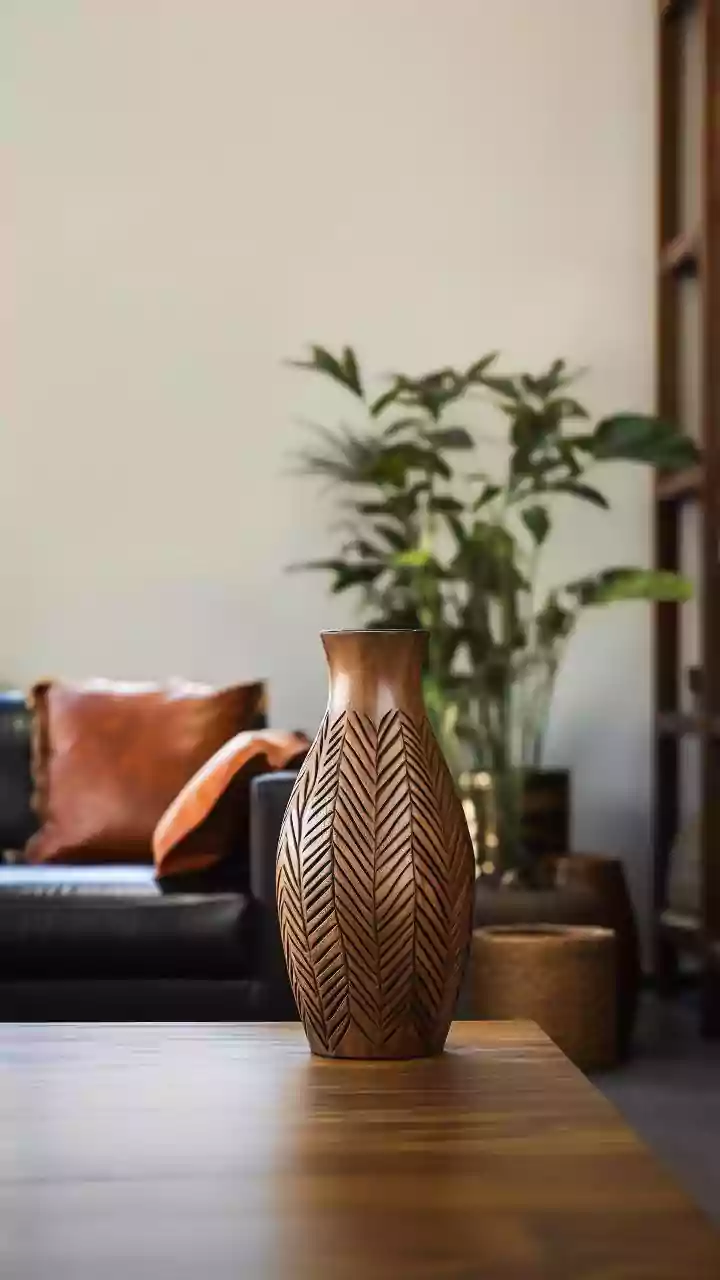
The key to successfully pulling off the Granny Chic 2.0 look without creating a time capsule is the art of the mix. Designers aren't afraid to clash patterns or place a traditional, skirted sofa in a room with modern track lighting. A classic quilt might be thrown over a starkly contemporary bed frame. A collection of vintage porcelain might be displayed on a floating, industrial-style shelf. This juxtaposition is what keeps the style feeling fresh and relevant. It shows an appreciation for the past without being trapped by it. By confidently blending eras, styles, and textures, designers create spaces that feel evolved, personal, and utterly of the moment—proving that sometimes, the most forward-thinking ideas are the ones we borrow from generations past.