




A Leap of Joyful Chaos
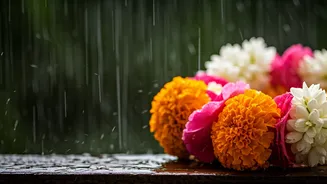
Imagine this: It’s late June in Goa, the tiny state on India’s west coast famous for its sun-drenched beaches. But the blistering summer heat has just broken, giving way to the dramatic, life-giving monsoon. The landscape is turning a shade of impossible
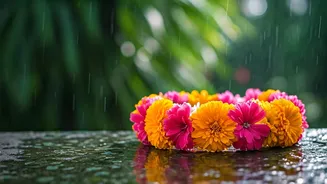
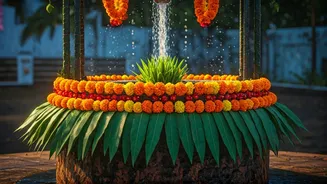
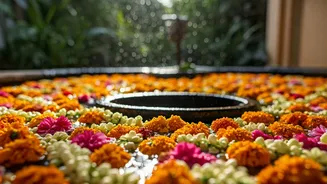
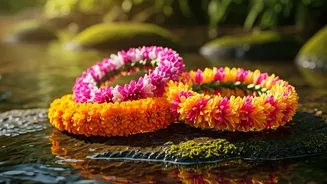
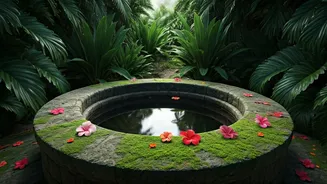
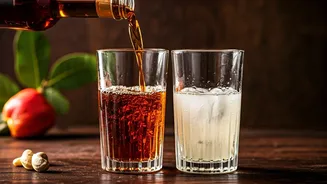
green. And in villages across the state, groups of young men, crowned with elaborate wreaths of flowers and leaves called ‘kopels,’ are roaming the streets. They are singing, laughing, and fueled by a healthy dose of feni, the potent local cashew liquor. Their destination? The nearest body of water. A pond, a river, a swimming pool, or, most iconically, a neighborhood well. With a shout of “Viva Sao Joao!”, they jump. It’s a scene of pure, unadulterated pandemonium and joy, a baptism not of solemnity, but of celebration.
The Story Behind the Splash
For an outsider, the sight of people voluntarily plunging into wells can be baffling. But this seemingly reckless tradition is rooted in a story central to Christian faith. Sao Joao is the festival of St. John the Baptist. According to the Bible, when a pregnant Virgin Mary visited her cousin Elizabeth, who was pregnant with John, the unborn baby “leapt for joy” in his mother’s womb. The act of jumping into a well or river is a folk re-enactment of that sacred, joyful leap. The wells, swollen with fresh monsoon rain, symbolize the womb. It’s a festival that marks fertility, the arrival of new life through the rains, and a profound, if playfully expressed, moment of faith. Celebrated annually on June 24th, it's a fixture of Goan Catholic culture, a unique blend of Portuguese colonial heritage and local Konkani tradition.
More Than Just a Jump
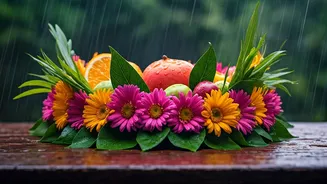
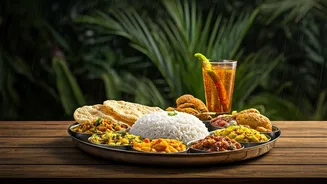
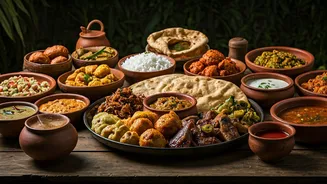
While the well-jumping is the main event, Sao Joao is a full-sensory experience. The ‘kopels’ worn by participants are a critical part of the costume, woven from local fruits and wildflowers, turning revelers into walking emblems of nature’s bounty. The festival is also a culinary one. Newlyweds, in particular, play a special role. A son-in-law is traditionally invited to his in-laws’ home, where he is celebrated and often playfully dunked in the well. Families prepare platters of traditional Goan sweets like ‘patoleo’ (steamed rice cakes with coconut and jaggery) and share generous helpings of feni. The air is filled with music, specifically the sounds of the ghumot (a traditional percussion instrument) and Konkani folk songs composed just for the occasion. It's a communal affair that strengthens village bonds, washes away the dust of summer, and welcomes the new season with open arms.
A Uniquely Goan Expression
What makes Sao Joao so captivating is how it embodies the spirit of Goa itself. Unlike many religious festivals, it isn’t a quiet or somber affair. It’s loud, colorful, and a little bit wild—a perfect reflection of the ‘susegad’ (a Goan concept of contented, laid-back living) philosophy meeting a surge of festive energy. The festival has evolved over time, with organized events now featuring boat parades, music competitions, and designated safe swimming areas. Yet, its heart remains in the small villages, where the tradition is passed down through generations. It’s a day when the community comes together not just to remember a saint, but to celebrate the very essence of life, water, and the enduring magic of the Goan monsoon.