


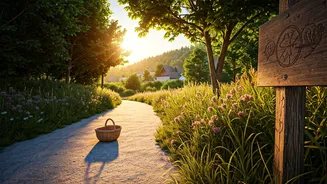

From Bucket Lists to 'Slow' Stays
For years, the classic international trip for many first-time Indian tourists was a whirlwind tour of Europe in ten days—think Paris, Rome, and the Swiss Alps blurred into a single, exhausting photo album. It was about seeing the famous places, collecting
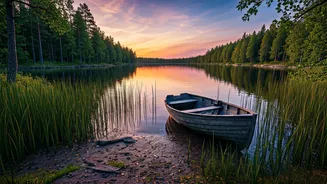
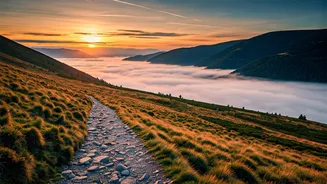
passport stamps, and proving you’d arrived. But a significant shift is underway. A growing, influential segment of Indian travelers is now saying 'no thanks' to the frantic itinerary. Instead, they’re choosing destinations—and entire travel styles—centered on comfort, relaxation, and personal experience over bragging rights. This means swapping a crowded queue at the Eiffel Tower for a week in a private villa in Bali, or trading a multi-city bus tour for an immersive stay at a wellness retreat in the Himalayas. The goal is no longer to 'conquer' a destination, but to connect with it at a leisurely pace.
The Evolution of the Indian Traveler
So, what’s driving this change? It’s a story of economic growth and evolving tastes. As India's middle and upper-middle classes have expanded, so has their travel experience. The traveler who took their first, frenzied trip abroad a decade ago is now a more seasoned, confident explorer. They’ve already seen the main attractions. Now, they’re looking for something deeper. This 'second wave' of travel is less about novelty and more about quality. They have the disposable income and the desire to invest in better experiences: premium accommodations, direct flights that minimize travel stress, and activities that cater to personal interests, whether it's a culinary tour in Thailand or a yoga retreat in Costa Rica. This isn't just about luxury; it’s about valuing personal time and well-being as the ultimate travel currency. They've moved from asking, 'What can I see?' to 'How do I want to feel?'
The Post-Pandemic Accelerator
The global pandemic acted as a massive accelerator for this trend. After years of lockdowns and travel restrictions, the very concept of a vacation was re-evaluated. Health, safety, and mental peace shot to the top of everyone's priority list. For Indian travelers, this translated into a strong preference for destinations that offered open space, privacy, and a break from urban density. The appeal of packed tourist hotspots plummeted. Instead, travelers began seeking out secluded beach resorts, mountain cabins, and boutique hotels in less-trodden locales. The desire to avoid crowds became paramount, making 'slow travel' not just a preference but a practical choice. This mindset has stuck. The idea of returning to a trip where you're shoulder-to-shoulder with thousands of strangers has lost its shine, replaced by a search for meaningful respite.
Redefining the 'Gram-Worthy' Moment
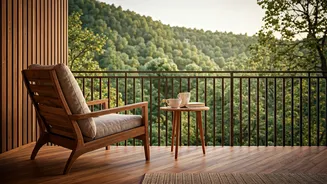
Even social media, the engine of so many travel trends, is reflecting this change. The quintessential travel post used to be a selfie with a world-famous monument. While those still exist, a new aesthetic has taken hold. The new status symbol isn't just proving you were there; it's about curating a 'vibe.' Think of the shot of a book and a coffee cup with a serene, beautiful backdrop, a video of a quiet walk through a charming local market, or a photo capturing the minimalist design of a boutique hotel. This kind of content signals a different kind of travel sophistication. It’s not about the landmark; it’s about the experience. This shift allows for a much broader range of destinations to become desirable. An 'Instagrammable' trip can now be a cozy cabin in the woods just as easily as a visit to the Colosseum, and for a growing number of Indian travelers, the former is starting to look a lot more appealing.