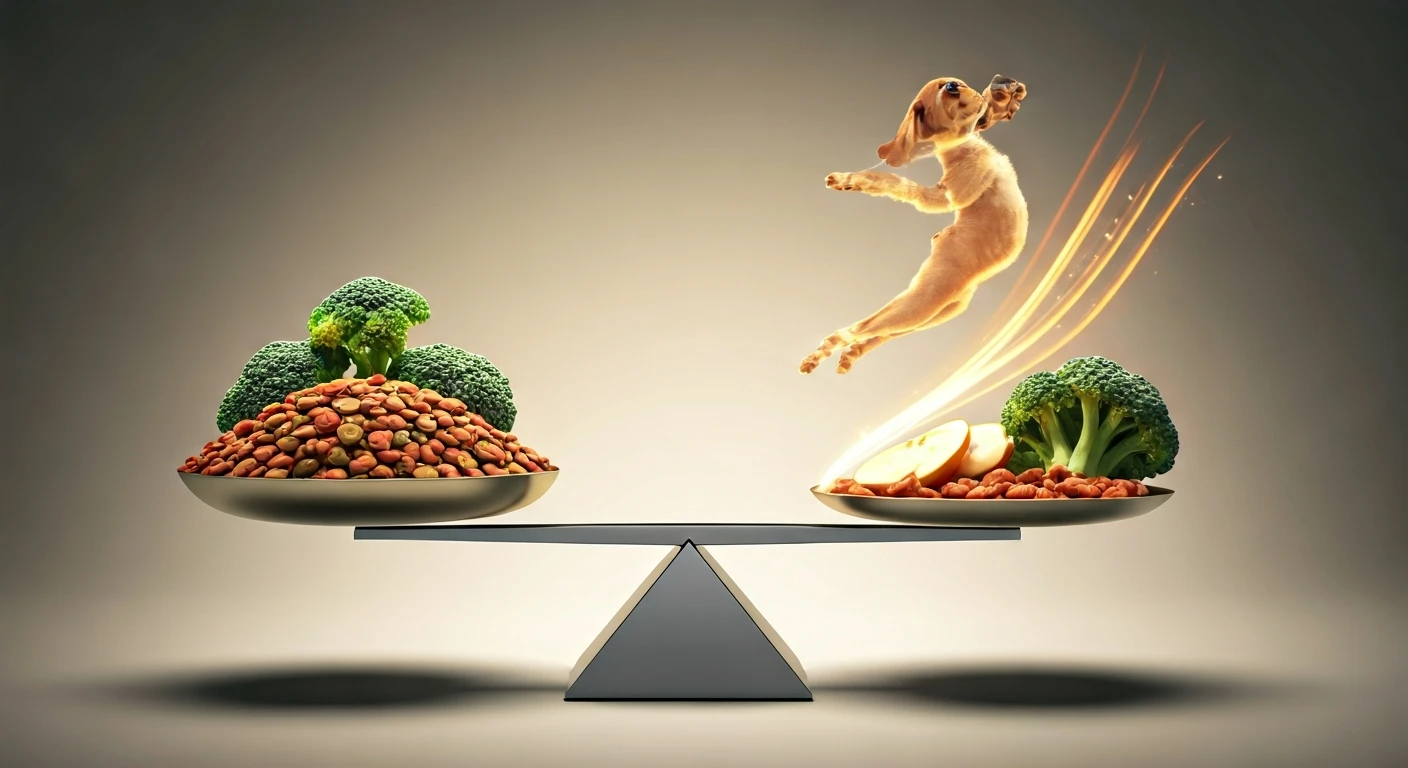




The Simple Math of Pet Wellness
At its core, maintaining a healthy weight for your pet follows the same principle as it does for humans: balancing calories in with calories out. When your dog is bounding through the park for an hour every day, they burn a significant number of calories.
But when exercise drops—due to weather, a minor injury, your own busy schedule, or your pet simply getting older—their energy needs decrease, too. If their food intake remains the same, the surplus energy is stored as fat. It sounds simple, but this gradual, almost invisible creep of weight gain is a major health issue. According to the Association for Pet Obesity Prevention, over half of U.S. dogs and cats are classified as overweight or obese. This isn't about fat-shaming your furry friend; it’s about recognizing that extra weight puts them at a higher risk for arthritis, diabetes, heart disease, and a shorter lifespan. Adjusting their food isn't a punishment; it’s a proactive act of love.
From Couch Potato to Weekend Warrior
Before you can adjust your pet's food, you need an honest assessment of their activity level. Many owners overestimate how much exercise their pet actually gets. Here’s a simple way to think about it: * **Low Activity:** A pet who gets less than 30 minutes of deliberate exercise (leisurely walks, slow sniffing) per day. This could be a senior dog, a small apartment-dweller, or any pet during a particularly inactive week. * **Moderate Activity:** A pet getting 30 to 60 minutes of daily exercise, including brisk walking, jogging, or active games like fetch. * **High Activity:** A working dog, an agility competitor, or a canine athlete who consistently engages in more than an hour of vigorous, sustained exercise daily. Be realistic. A 20-minute stroll where your dog sniffs every blade of grass is not the same as a 20-minute run. If your pet's routine has shifted from 'moderate' to 'low' for more than a few days, it's time to re-evaluate their dinner.
Right-Sizing Your Pet’s Portions
The feeding guidelines on pet food bags are a starting point, not a strict rule. They are often calculated for an active, intact adult dog. If your pet is spayed/neutered (which lowers energy needs) or less active, you're likely overfeeding them if you follow the bag's maximum recommendation. The first step is to use a proper measuring cup, not a random scoop or coffee mug, to ensure consistency. For a temporary dip in activity, a small reduction of about 10% is a good place to start. For a more permanent lifestyle change (e.g., a puppy maturing into a less-frantic adult), you may need a larger adjustment. Monitor your pet’s body condition. You should be able to easily feel (but not see) their ribs, and they should have a visible waist when viewed from above. If you see their waistline expanding, it’s time to cut back a little more.
It’s Not Just About the Kibble
A common pitfall for even the most diligent owner is forgetting to account for treats. Those dental chews, training rewards, and bits of cheese can add up fast. A general guideline, often called the “10% Rule,” is that treats should make up no more than 10% of your pet's total daily caloric intake. During periods of low activity, this is the first place you should make cuts. Swap high-calorie commercial treats for low-calorie alternatives like baby carrots or green beans (check with your vet for a list of safe options). Also, be vigilant about “table scraps,” which are often high in fat and salt. Finally, remember that mental exercise burns calories, too. On a rainy day, a 15-minute session with a puzzle feeder or a game of “find the treat” can provide valuable stimulation without requiring a five-mile hike.
When to Call the Vet
These guidelines are meant to empower you to make small, sensible adjustments. However, they are not a substitute for professional medical advice. Before making any significant, long-term changes to your pet’s diet, it’s crucial to consult your veterinarian. Your vet can perform a Body Condition Score (BCS), help you calculate your pet’s specific daily caloric needs, and rule out any underlying medical issues that could be causing weight gain. If your pet needs to lose a significant amount of weight, your vet can formulate a safe and effective weight-loss plan. They can recommend a specific therapeutic diet food, which is often lower in calories but higher in fiber and protein to help your pet feel full and satisfied while still getting essential nutrients.