
From Obligation to Obsession
For decades, vegetables on the American plate were often an afterthought, a dutiful nod to nutrition. They were boiled, steamed into submission, or hidden under a blanket of cheese sauce. But a seismic shift is underway. We're not just talking about vegetarianism
or veganism, which have long had their own culinary scenes. This is different. This is the 'plant-forward' movement, where even in dishes with meat, vegetables are given the respect, technique, and creativity once reserved for a prime cut of steak. Chefs are roasting, charring, fermenting, and grilling produce into complex, deeply flavorful creations that stand on their own. The humble carrot is no longer just a crudité; it’s being slow-roasted for hours and served with a dollop of labneh and a dusting of dukkah. This isn't about restriction; it's about an expansion of flavor.
The Chef-Driven Revolution
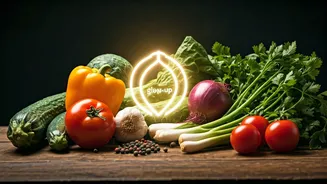
Much of this glow-up starts in professional kitchens. Influential chefs, from high-end Michelin-starred restaurants to hip neighborhood bistros, are falling in love with the versatility of vegetables. They see a world of untapped potential. Take the cauliflower. A decade ago, it was mostly filler. Today, it’s a menu staple, served as a whole-roasted 'steak,' deep-fried and tossed in buffalo sauce, or blitzed into a creamy, dairy-free purée. Chefs like Amanda Cohen of New York’s Dirt Candy have been pioneers, building entire restaurant concepts around making vegetables irresistible. When a world-renowned institution like Eleven Madison Park goes fully plant-based, it sends a powerful message to the entire industry: vegetables are not just a substitute, they are a destination. This creativity trickles down, inspiring home cooks and shaping the menus at more accessible restaurants nationwide.
A Feast for the Eyes
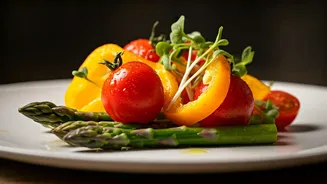
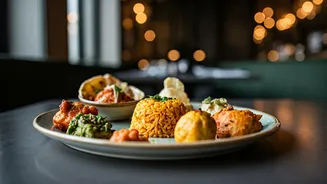
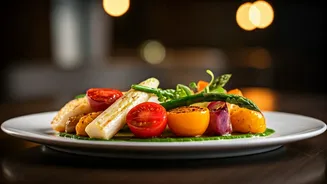
Let’s be honest: we eat with our eyes first, especially in the age of Instagram and TikTok. And vegetable-heavy dishes are incredibly photogenic. The vibrant purples of a roasted beet, the deep greens of charred broccolini, the bright orange of a butternut squash soup—these dishes pop on a screen. A perfectly plated grain bowl with seven different colorful components is far more visually appealing than a beige slab of meat. Social media has created a feedback loop; chefs and home cooks create beautiful veggie-forward dishes, they get shared and celebrated online, and this exposure drives more demand for them. Viral trends, from the feta-and-tomato pasta to the 'green goddess' salad, are almost always centered on produce, turning specific vegetables into overnight celebrities.
Global Flavors, Local Produce
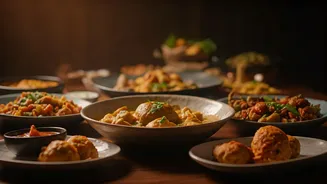
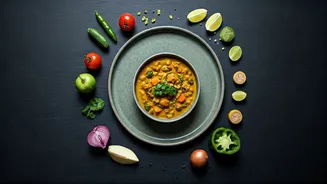
Another key driver is our growing embrace of global cuisines. Many food cultures around the world, particularly in the Middle East, Southeast Asia, and India, have long traditions of sophisticated, vegetable-centric cooking. As American palates have become more adventurous, we've learned that vegetables don't have to be bland. We've discovered the power of spices like turmeric and cumin, condiments like gochujang and harissa, and techniques like wok-frying and tempura. A simple eggplant is transformed into smoky, silky baba ghanoush. A humble cabbage is lacto-fermented into tangy, complex kimchi. By borrowing these time-tested methods and applying them to high-quality local produce, American cooks are unlocking a whole new universe of flavor that makes eating vegetables genuinely exciting.