




The Garden's Speed Demon
Let’s be honest: patience is a virtue, but it’s a tough one to practice in the garden. You prepare the soil, plant the seeds, and then… you wait. And wait. While you’re watching your tomato and pepper plants leisurely decide whether to flower, the okra
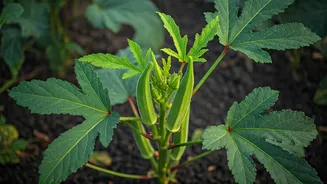
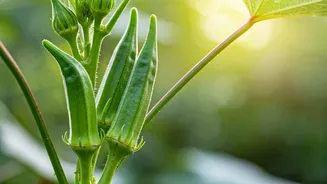
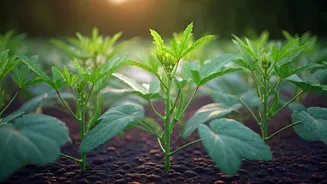
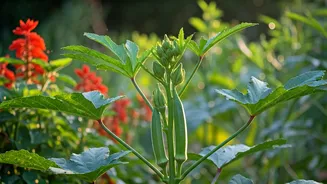
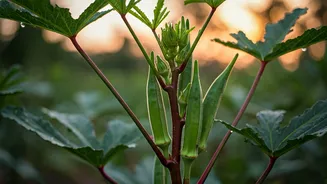
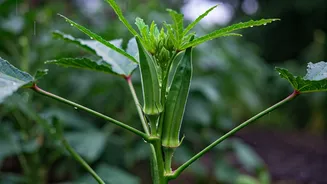
plant has already shot up, unfurled its beautiful hibiscus-like blooms, and started producing edible pods. Many popular okra varieties, like the classic 'Clemson Spineless,' can go from seed to first harvest in as little as 50 to 60 days. In the gardening world, that’s practically light speed. Native to Africa, okra thrives on the one thing that makes other plants wilt: intense heat. The hotter and sunnier it gets, the faster it grows. This makes it a perfect crop for U.S. gardeners, especially in the South and Midwest, who want to see tangible, edible results before summer is even halfway over.
Setting Up for Success
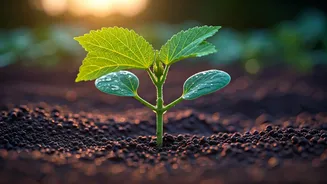
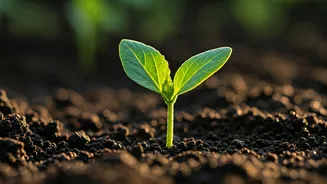
Getting okra to perform its high-speed magic is wonderfully simple, provided you follow a few basic rules. First, don't rush the season. Okra despises cold soil. Wait until at least two to three weeks after your last expected frost date, when the soil has truly warmed up to at least 65-70°F. Planting too early will only cause the seeds to rot or the seedlings to sulk. Give them a spot that gets a minimum of six to eight hours of direct, blazing sun. Okra isn't a shade plant; it’s a sun worshipper. You can sow seeds directly into the garden, planting them about an inch deep and a few inches apart, later thinning them to about 12-18 inches apart. Or, for an even faster start, you can buy seedlings from a local nursery. Once the summer heat really kicks in, stand back and watch the show. The plants can grow several inches in a single week, providing the visual feedback every impatient gardener craves.
The Daily Harvest Rule
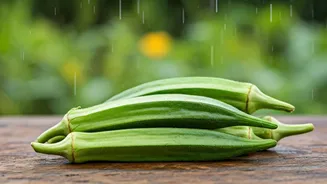
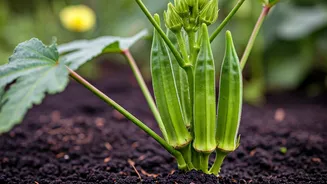
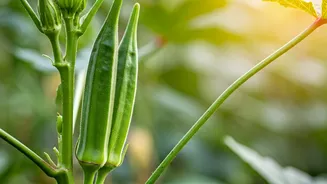
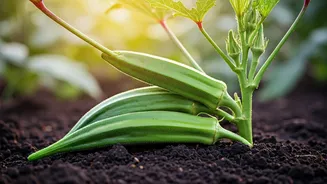
Here is the real secret to okra’s reputation for rapid results: the more you pick, the more you get. This isn’t a plant where you wait for one big, final harvest. Okra is a continuous producer, and harvesting is the trigger for more production. Once the plant starts making pods, you need to check it every single day. The ideal pod is tender and just 2 to 4 inches long. This is not a suggestion; it’s a rule. If you let a pod grow into a 7-inch woody club, the plant thinks its job is done. It has successfully made a mature seed pod and will slow or stop producing new flowers. But if you harvest those tender young pods daily, you’re sending a clear signal: 'The job isn’t finished! Make more!' This daily ritual of walking out to your garden and coming back with a handful of fresh okra is incredibly rewarding. It’s a tangible, daily dividend on your gardening investment.
A Few Words of Warning
While okra is famously low-maintenance, it’s not completely foolproof. The biggest mistake gardeners make is letting the pods get too big. A beautiful, large okra pod is almost always a woody, inedible okra pod. Be ruthless in your harvesting and prize smallness. Another thing to be aware of is the 'itch.' Many okra varieties have fine spines on their leaves and stems that can cause skin irritation for some people. Wearing a long-sleeved shirt and a pair of gloves while harvesting is a simple way to avoid any discomfort. Finally, keep an eye out for aphids. These tiny pests love to congregate on the tender new growth and flower buds. A strong spray of water from the hose is often enough to dislodge them, or you can use an insecticidal soap for more persistent infestations.
Beyond Frying and Gumbo
So, you’ve followed the daily harvest rule and now your kitchen counter is covered in fresh okra. What now? If your only experience with okra is the slimy texture it can sometimes have in stews, you’re in for a surprise. The key to avoiding slime is high, dry heat. Toss whole pods in olive oil, salt, and pepper, and roast them in a 425°F oven until they’re slightly browned and crispy. Or, slice them lengthwise and throw them on the grill for a few minutes. You can also slice them into coins, toss with cornmeal, and air-fry them for a healthy take on a Southern classic. Quick-pickled okra is another fantastic way to preserve your bounty, creating a tangy, crunchy snack that will last for months.