

The ‘Show Home’ Is Officially Over
Remember the era of the pristine, all-white living room? The one with the velvet sofa you were afraid to sit on and the decorative objects that served no purpose other than to look good on Instagram? For many, that era is coming to a quiet, sensible close.
The pandemic was a major catalyst, forcing millions of us to spend unprecedented amounts of time within our own four walls. Suddenly, a home’s shortcomings weren't just minor annoyances; they were daily obstacles. The pretty-but-impractical accent chair in the corner became a monument to wasted space. The dining table that couldn't double as a desk was a functional failure. We were stress-testing our homes in real time, and many were failing. This collective experience shifted our priorities. The ultimate luxury is no longer a home that looks like a museum but one that functions like a seamless, supportive partner in our daily lives.
The Rise of the Multipurpose Space
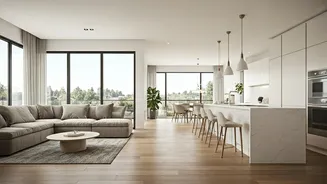
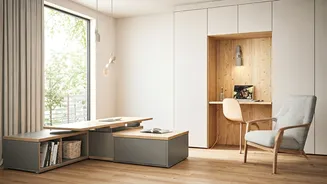
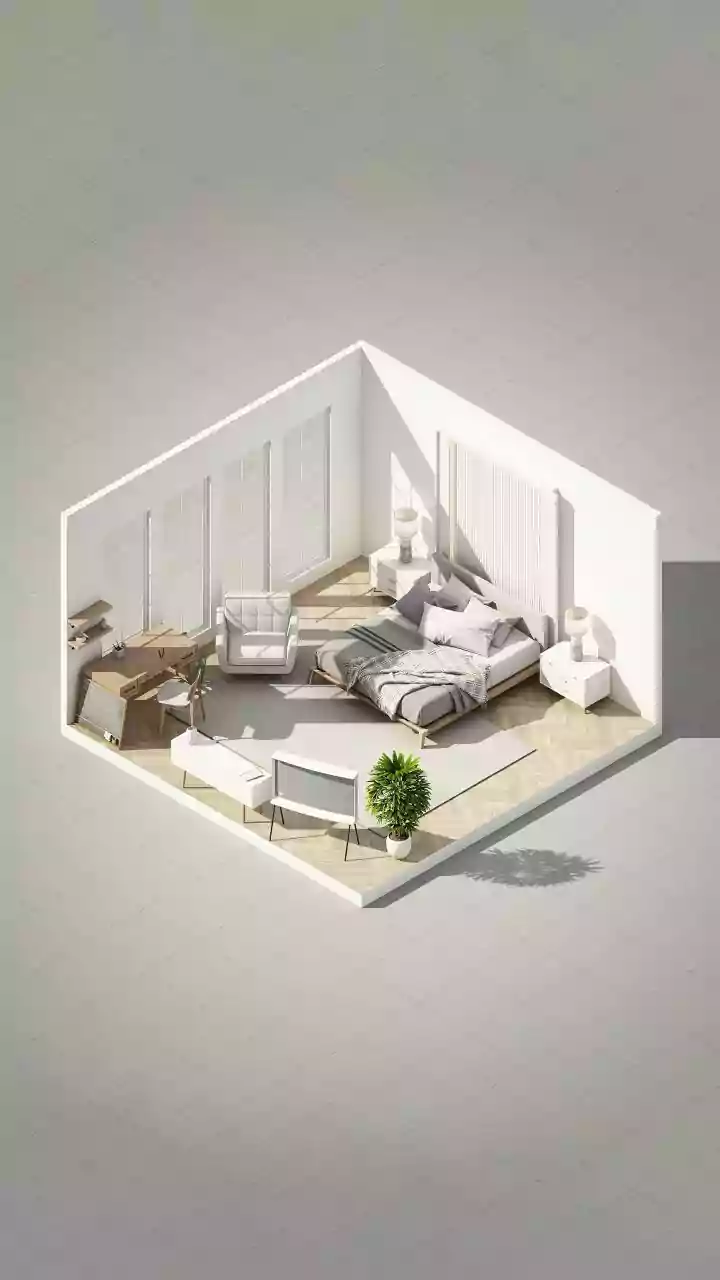
The single-use room is becoming a relic. As remote and hybrid work became permanent fixtures for a significant portion of the workforce, our homes had to adapt. The living room is now a conference room. The guest bedroom is now a gym. The kitchen island is now a homework station. This demand for flexibility has fueled a boom in clever, practical design. We’re seeing a surge in demand for modular sofas that can be reconfigured for movie night or hosting, nesting coffee tables that save space, and stylish room dividers that can create temporary privacy. Furniture designers are responding with pieces that have hidden storage, integrated power outlets, and convertible features. This isn’t about cramming more stuff into a small space; it’s about making every square foot earn its keep through smart, intentional choices.
Durability Trumps Delicacy
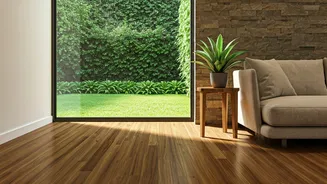
With our homes now serving as offices, schools, and social hubs, the materials we choose matter more than ever. The focus has shifted dramatically toward durability and ease of maintenance. Think less silk and more performance linen. Instead of precious marble countertops that stain if you look at them wrong, homeowners are opting for resilient quartz or butcher block. This is the era of “performance fabrics”—textiles engineered to resist stains, moisture, and fading—which have moved from outdoor patios to indoor family rooms. It’s a practical decision born from a desire to actually *live* in our homes without fear. This trend also has a sustainability angle; choosing durable, long-lasting items over cheap, disposable decor is a more environmentally and economically sound approach in the long run. People want to invest in pieces that will withstand kids, pets, and the general chaos of life, not replace them every few years.
Comfort Is The New Status Symbol
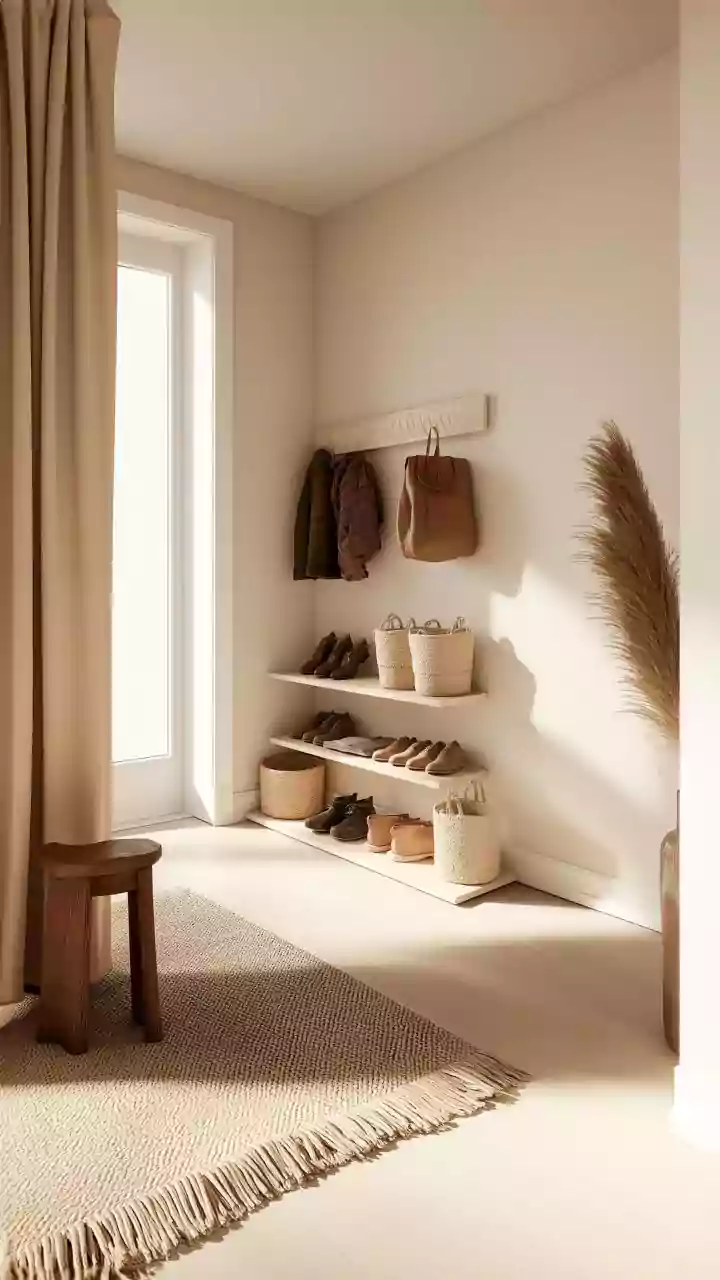
Ultimately, the move from pretty to practical is a redefinition of what we consider luxurious. The new status symbol isn't a flashy, brand-name piece of furniture; it’s a sense of ease and well-being. It’s having a designated “drop zone” by the door so clutter doesn’t pile up. It’s a thoughtfully designed home office that supports your posture and your focus. It’s a kitchen with intuitive organization that makes cooking feel less like a chore. This new wave of design prioritizes human experience over aesthetic perfection. It asks: Does this space reduce my stress? Does it make my daily routines easier? Does it feel good to be here? A home that answers “yes” to these questions is a home that is truly beautiful, regardless of how it photographs for social media.