



The Rise of the Urban Trekker
In a city of over 20 million, the search for breathing room is a constant pursuit. For years, that meant escaping the city entirely. But a new trend is taking root. Residents are discovering that the ultimate weekend getaway isn't hours away, but hidden
in plain sight. A network of sprawling urban forests and wildlife sanctuaries, once the domain of dedicated conservationists, has become the new frontier for weekend warriors. Armed with walking shoes and water bottles, a growing number of Delhiites are trading brunch queues for forest bathing. This shift reflects a global urban movement: the rediscovery of nature woven into the city fabric, offering a vital counterbalance to the pressures of metropolitan life. These aren't just parks with benches; they are genuine wilderness experiences within the city limits.
The Ancient & Eerie: Sanjay Van
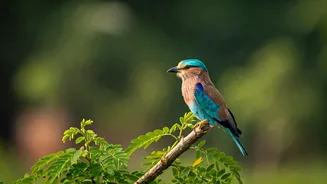
Covering nearly 800 acres in the heart of South Delhi, Sanjay Van is more than just a forest; it's a place layered with history and folklore. Its winding trails snake around the crumbling ramparts and tombs of a 13th-century city, creating a surreal blend of nature and archaeology. By day, it’s a paradise for birdwatchers, with over 100 documented species, from majestic peacocks to tiny, flitting warblers. Cyclists and walkers navigate its network of paths, finding pockets of profound silence just yards from a major road. But as dusk falls, the forest’s reputation for the paranormal emerges, with local legends of ghostly apparitions near the old tombs. This mix of serene beauty and eerie mystique makes Sanjay Van a uniquely compelling escape, offering a glimpse into a Delhi that is both ancient and wild.
The Reclaimed Quarry: Aravalli Biodiversity Park
The Aravalli Biodiversity Park is a story of resurrection. Not long ago, this 700-acre expanse on the border of Delhi and Gurgaon was a barren wasteland, scarred by decades of mining. Today, it’s a thriving forest and a testament to ecological restoration. Scientists and volunteers have systematically reintroduced native plant species of the ancient Aravalli mountain range, one of the oldest geological formations on Earth. The result is a rugged, authentic landscape of thorny scrub and rocky outcrops. Hiking here feels different—more raw and untamed. It’s a popular spot for fitness enthusiasts who come for the challenging inclines, but also for anyone seeking to witness a powerful environmental success story. The park is proof that nature, given half a chance, can reclaim and heal the wounds of industry, creating a vital green lung for the city.
The True Wilderness: Asola Bhatti Wildlife Sanctuary
For those who want to feel truly removed from civilization without leaving the city, there is Asola Bhatti. Spanning the southern ridge where Delhi meets the neighboring state of Haryana, this sanctuary is the city’s largest and most rugged green space. The trails here are less manicured, the landscape more expansive. Hidden within its thorny forests are five stunning lakes, former mining pits that have filled with water to become brilliant blue oases, attracting a symphony of birdlife. Asola Bhatti is where the urban and the wild truly collide. It’s a critical wildlife corridor, and while sightings are rare, it is home to animals like jackals, porcupines, and even the occasional leopard that wanders in from the larger Aravalli range. A weekend trek here isn't just a walk in the park; it's an immersive dive into a wilderness that has learned to coexist with one of the world's biggest cities.